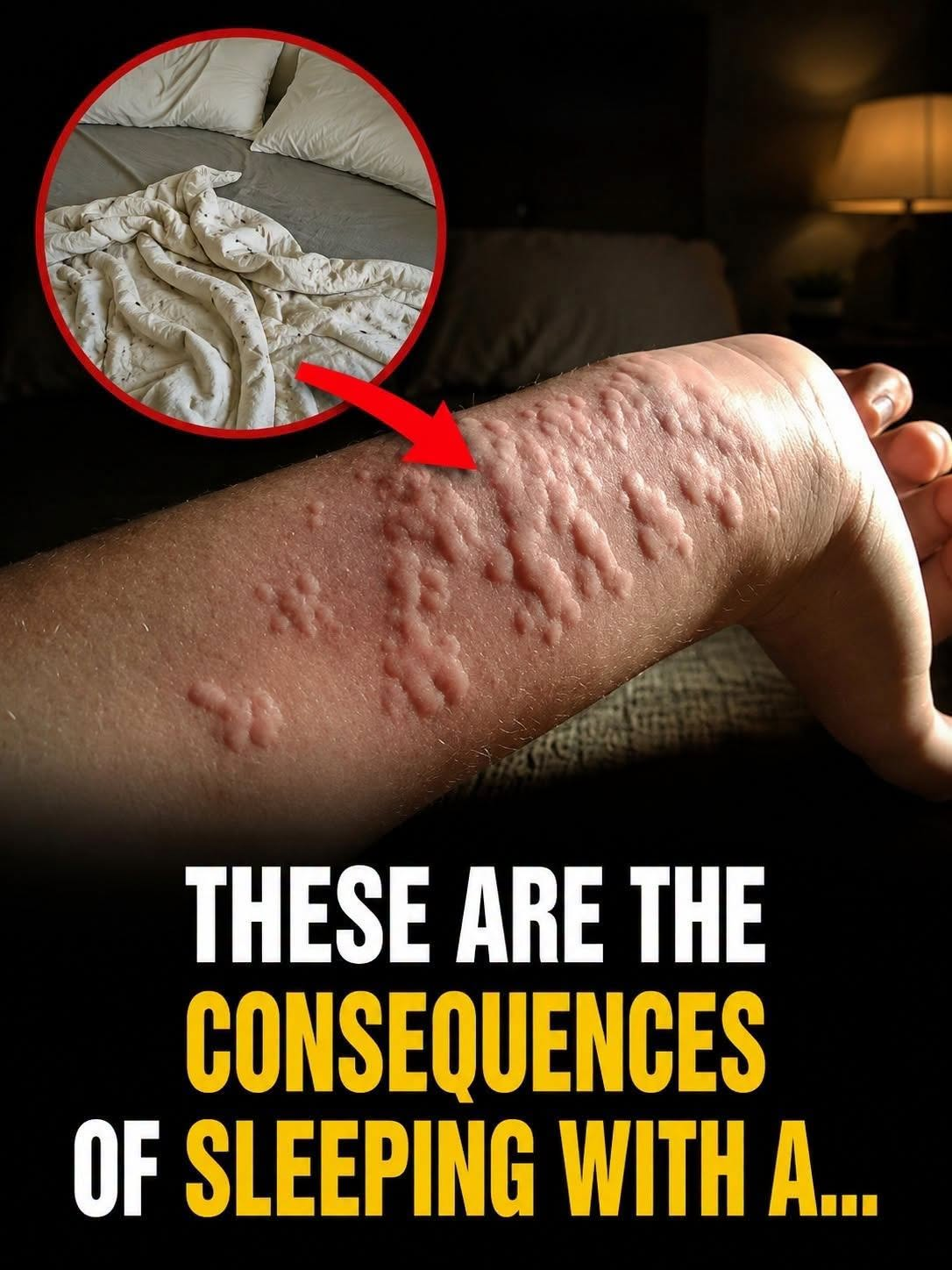
Waking up with unexplained red bumps scattered across your skin can turn an ordinary morning into a source of quiet panic. The itching starts mild and then intensifies throughout the day, leaving you searching for answers in every corner of your bedroom. Many people first assume the marks are from mosquitoes, an allergic reaction, or even a new laundry detergent. Yet when the bumps continue to appear night after night, often in small clusters or straight lines, the real culprit may be something far more persistent and difficult to detect.
Bed bugs are tiny, wingless insects that feed exclusively on blood. They are experts at remaining hidden during the day, tucking themselves into the seams of mattresses, the folds of bed frames, behind headboards, and inside electrical outlets. Their small size and ability to flatten their bodies allow them to slip into spaces most people never think to check. By the time the first bites appear, a small population may already be established in the room, making early detection critical for preventing a larger infestation.
The bites themselves often look like ordinary mosquito or flea bites at first glance. They typically appear as raised, red welts that can become intensely itchy. Unlike some other insect bites, bed bug bites frequently show up in groups of three or more, sometimes arranged in a roughly straight line as the insect moves across the skin while feeding. Some people develop larger welts or even blisters if they are particularly sensitive to the insect’s saliva. Others may not react at all for days or weeks, which can delay recognition of the problem.
One of the most frustrating aspects of dealing with bed bugs is how easily they can travel. They do not fly or jump, but they are excellent hitchhikers. A single adult or a few eggs can move from one home to another on luggage, secondhand furniture, clothing, or even in the folds of a backpack. Hotels, apartment buildings, and college dorms are especially vulnerable because of the constant movement of people and belongings. Once inside a home, the insects can spread from room to room if left unchecked.
Confirming the presence of bed bugs requires careful inspection. Look for small, dark spots of dried blood or fecal matter along mattress seams and the edges of box springs. Tiny pale eggs or shed skins may also be visible in the same areas. Live insects are reddish-brown after feeding and about the size of an apple seed. They tend to hide during daylight hours and become active mainly at night when their hosts are still. Using a flashlight and examining every seam, crease, and crack near the bed is often the only way to find clear evidence.
If bed bugs are confirmed, thorough treatment is essential. Simply washing bedding or vacuuming the mattress is rarely enough to eliminate an established population. Professional pest control services often use a combination of heat treatments, targeted insecticides, and careful monitoring. Heat treatments raise the temperature of an entire room high enough to kill insects and eggs in all life stages. Chemical treatments must be applied carefully and according to label instructions to remain effective and safe for the people living in the home.
Prevention plays an equally important role once the immediate problem has been addressed. Encasing mattresses and box springs in high-quality, bed-bug-proof covers creates a barrier that traps any remaining insects and prevents new ones from reaching the sleeping surface. Reducing clutter around the bed eliminates potential hiding places. When traveling, inspecting hotel mattresses and keeping luggage elevated off the floor can significantly lower the risk of bringing the insects home.
Laundry is another critical step in both treatment and prevention. Washing all clothing, bedding, and nearby fabrics in hot water and drying them on the highest heat setting kills bed bugs and their eggs. Items that cannot be washed can often be sealed in plastic bags and placed in a hot dryer or left outdoors in extreme temperatures for several days. Vacuuming carpets, baseboards, and furniture regularly, then disposing of the vacuum bag or emptying the canister outside, helps remove any insects that may have scattered during cleaning.
Living with the knowledge that bed bugs may be present can create significant stress and anxiety. Many people feel embarrassed or ashamed, even though infestations can happen to anyone regardless of cleanliness. The insects are attracted to warmth and carbon dioxide rather than dirt. Open conversations with family members or roommates, combined with a clear action plan, help reduce the emotional burden and ensure everyone cooperates with treatment and prevention measures.
Over time, most households that take consistent, thorough action are able to eliminate bed bugs completely. The process requires patience, attention to detail, and often professional assistance, but the reward is the return of restful nights free from the constant worry of new bites. Learning to recognize the early signs and responding quickly remains the most effective way to keep these hidden pests from becoming a long-term problem.
The next time unexplained red bumps appear after a night of sleep, resist the urge to dismiss them as ordinary insect bites. A careful inspection of the bed and surrounding area can reveal whether a more persistent problem is developing. Addressing the issue early protects both physical comfort and peace of mind. The nightmare you cannot see does not have to become a permanent part of your home if it is met with knowledge, persistence, and the right combination of cleaning and treatment strategies.
Most Popular!
-
 My Husband Abandoned Me 300 Miles From Home as a Joke — Then He Showed Up Five Years Later to Destroy Everything I Built
-
The Mystery Gear: Why Your Old Car Had a Secret “E” Button That Could Save Your Life and Your Wallet
-
The Brutal Truth: My Husband Tried to Control Me on Our Third Day of Marriage — He Didn’t Know Who He Was Dealing With
-
The Midnight Trap: Why One Single Ring Could Cost You Your Entire Life Savings
-
Deadly Garnish: Why Your Innocent Kitchen Staple Is Actually a Silent Risk Lurking in Your Fridge
-
The Illegal Tag Myth: Why You’ve Been Living in Fear of Your Own Mattress
-
The BBQ Bomb: My Father-in-Law Treated My Home Like His Personal Five-Star Restaurant — Until I Served Him an $1,800 Reality Check
-
I Discovered My Mother-in-Law Selling My Priceless Wedding Dress at a Garage Sale — Then I Realized Why She Was Really Doing It