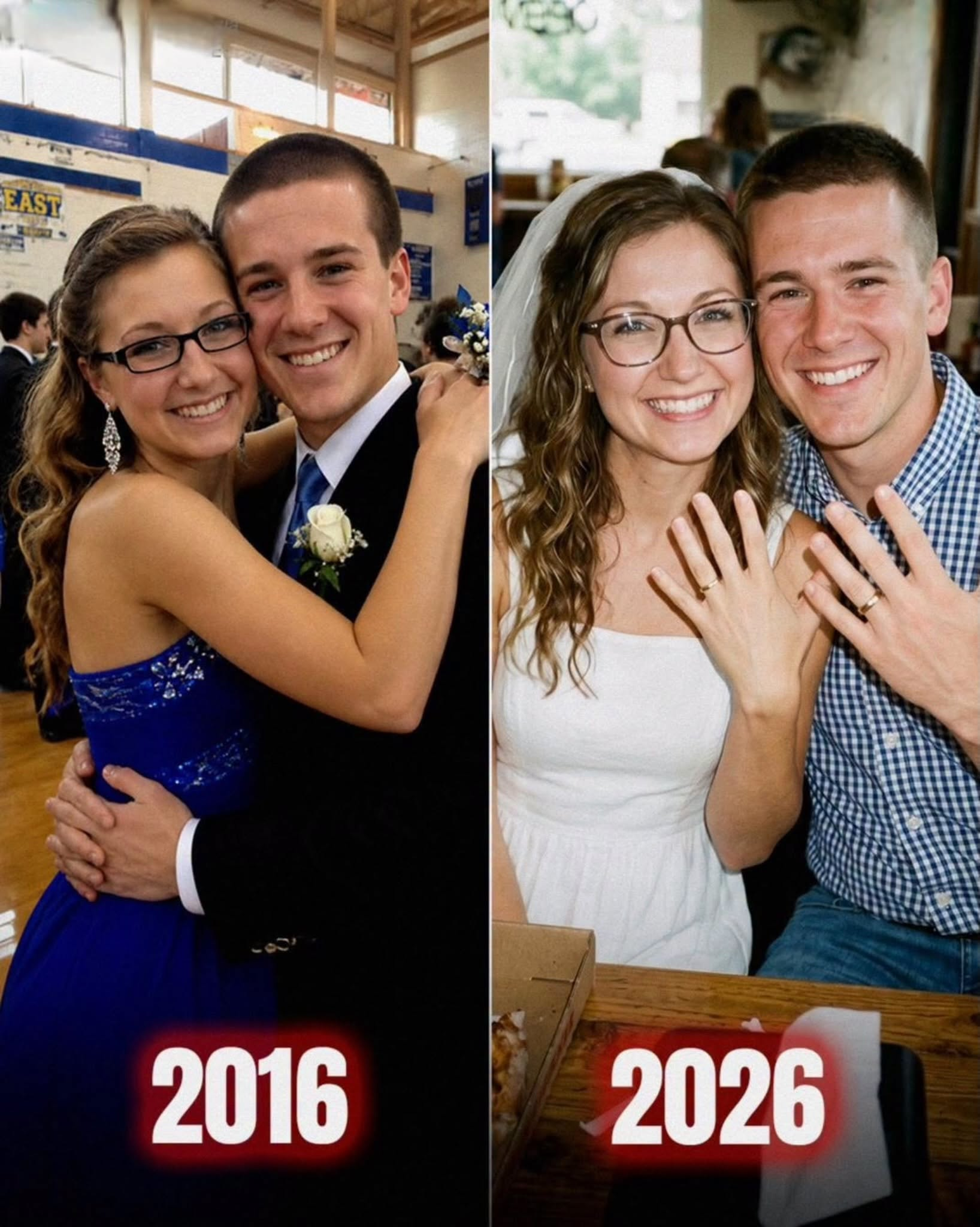
For years my parents made no secret of their contempt for the man I loved. They called Graham a dead-end street, a parasite who would drag me down to his level of mediocrity. While he worked double shifts at a hardware store and spent every extra dollar helping his mother through chemotherapy, they dismissed his quiet devotion as proof of failure. They wanted a son-in-law who fit their polished vision of success, not a man whose greatest wealth was the handwritten notes he left under my morning mug and the grocery-store carnations he brought home every Saturday.
The pressure intensified when they introduced Carl, the polished son of a powerful dealership owner. He arrived in a gleaming Lexus with a pedigree that matched their expectations perfectly. My mother spoke of him as the kind of man who protected a family, while Graham was painted as the kind who destroyed one. The comparisons grew sharper and more personal until the day my father issued a final ultimatum: marry Graham and lose my inheritance and place in the family, or accept Carl and keep the life they had always planned for me. I chose Graham. I walked out of their house with nothing but the clothes I was wearing and the certainty that love mattered more than their approval.
Our wedding was small, intimate, and filled with a genuine warmth that no amount of money could purchase. We celebrated with pepperoni pizza in our modest apartment, laughing about the future we were building together. Then Graham’s expression grew serious. From beneath the table he produced a weathered cardboard box he had kept hidden for months. Inside were photographs and legal documents that would rewrite everything I believed about my family and the struggles we had endured.
The first photograph showed my father shaking hands with Graham’s late father, Daniel, outside a law office two decades earlier. As I sorted through the papers, the truth emerged with brutal clarity. Daniel had been the primary cosigner on the massive loan that launched my father’s business empire. When Daniel died, my father and Carl’s father did not simply fail to repay their share. They actively buried the debt, shifting the entire liability onto Graham’s grieving mother while they climbed the ladder of success on the foundation of another family’s suffering.
The financial hardships Graham and I had navigated for years were not the result of bad luck or poor choices. They were the direct consequence of the men who raised me. My parents had not been protecting me from a “poor loser.” They had been desperate to marry me off to the son of their co-conspirator so that the silence surrounding their original crime would remain unbroken. Every insult directed at Graham, every threat of disownment, had been designed to keep their secret buried.
I arrived at my childhood home still wearing my wedding dress, the box of evidence tucked under my arm. My father’s arrogance crumbled the moment he recognized the loan records. He tried to frame the situation as complicated business decisions made to protect the family, but the words rang hollow. My mother, usually so composed, could only offer weak justifications that dissolved under the weight of the documents. They had built their reputation and their fortune on the back of a dead man and the quiet suffering of a widow.
I gave them a single choice. They would restore every cent owed to Graham’s family, including interest and the medical expenses his mother had carried alone, or face a public legal battle that would destroy the carefully maintained image they valued above all else. They chose to pay. With shaking hands they signed the checks that finally acknowledged the debt they had spent years denying. When Graham’s mother later offered them the mercy of her forgiveness, I understood that we had broken a cycle of greed and secrecy that had poisoned our families for decades.
My parents sent one final message, formally disowning me for choosing “the boy” over “blood.” I set the phone down and felt the heavy burden of their toxic approval lift from my shoulders. The inheritance I had once feared losing no longer held any power over me. What remained was the freedom to build a life that belonged entirely to us, free from the shadows of their deception.
We moved into a small house where the air felt lighter and the mornings began with the same quiet devotion that had always defined Graham. On the porch I kept a vase of those familiar carnations. They were no longer symbols of what we could not afford. They had become symbols of a love that survived the weight of a family’s lies and emerged stronger because of the truth we finally faced together.
Looking back, I realize the locked box did not destroy my world. It revealed the world I had been living in and gave me the chance to leave it behind. My parents had spent years trying to control my future through money, status, and carefully constructed narratives. In the end, the truth they tried so hard to bury became the foundation of the life I chose for myself. Graham had protected me from that truth until I was strong enough to handle it, and in doing so he proved once again that the measure of a man has nothing to do with the size of his bank account.
Today the path ahead feels completely, beautifully mine. The family I lost was never truly a family in the ways that mattered. The family I built with Graham rests on honesty, quiet loyalty, and the kind of love that does not require perfection or pedigree. Every time I see those carnations on the porch, I am reminded that the greatest inheritance is the freedom to choose your own story and the courage to walk away from the one others tried to force upon you.
Most Popular!
-
 My Husband Abandoned Me 300 Miles From Home as a Joke — Then He Showed Up Five Years Later to Destroy Everything I Built
-
The Mystery Gear: Why Your Old Car Had a Secret “E” Button That Could Save Your Life and Your Wallet
-
The Brutal Truth: My Husband Tried to Control Me on Our Third Day of Marriage — He Didn’t Know Who He Was Dealing With
-
The Midnight Trap: Why One Single Ring Could Cost You Your Entire Life Savings
-
Deadly Garnish: Why Your Innocent Kitchen Staple Is Actually a Silent Risk Lurking in Your Fridge
-
The Illegal Tag Myth: Why You’ve Been Living in Fear of Your Own Mattress
-
The BBQ Bomb: My Father-in-Law Treated My Home Like His Personal Five-Star Restaurant — Until I Served Him an $1,800 Reality Check
-
I Discovered My Mother-in-Law Selling My Priceless Wedding Dress at a Garage Sale — Then I Realized Why She Was Really Doing It