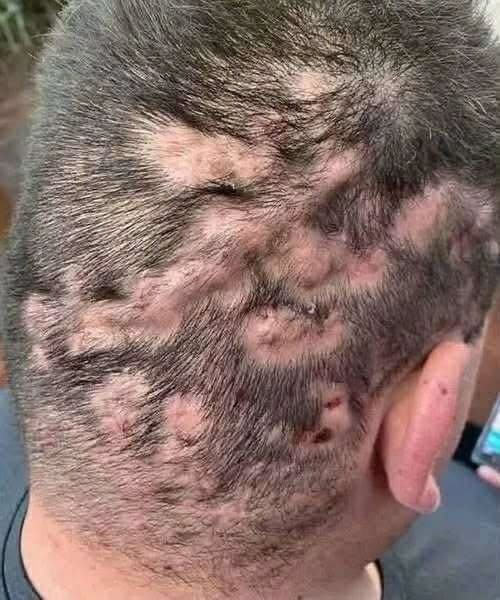
Noticing dark patches on your skin can be concerning, especially when they appear suddenly or change over time. While some pigmentation changes are harmless, others may signal underlying health issues that deserve attention. Understanding what different types of dark spots might indicate helps you know when to monitor them casually and when to consult a dermatologist for proper evaluation.
Common types of dark skin patches
Melasma often appears as larger brown or grayish patches, typically on the face. Hormonal changes, sun exposure, and certain medications frequently trigger this condition. While usually harmless, melasma can be persistent and emotionally distressing due to its visible location. Many women notice it during pregnancy or while using hormonal contraceptives.
Age spots (solar lentigines) develop from cumulative sun exposure over decades. These flat, brown spots commonly appear on hands, face, and other sun-exposed areas. Though benign, they serve as visible reminders of UV damage and increased skin cancer risk from prolonged sun exposure.
Acanthosis nigricans presents as dark, velvety patches often found in body folds like the neck, armpits, or groin. This condition frequently signals insulin resistance or diabetes, making medical evaluation important rather than purely cosmetic concern. The dark coloration results from skin thickening rather than simple pigmentation changes.
Post-inflammatory hyperpigmentation occurs after skin injury or inflammation from conditions like acne or eczema. The darkened areas represent the skin’s response to trauma and typically fade gradually over months with proper care and sun protection.
When dark patches warrant medical attention
Certain characteristics should prompt professional evaluation:
- Rapidly changing or spreading patches
- Irregular borders or multiple colors within one spot
- Patches accompanied by itching, pain, or bleeding
- Sudden appearance in non-sun-exposed areas
- Dark spots in individuals with limited sun exposure history
Dermatologists can distinguish between benign pigmentation changes and potentially serious conditions like melanoma through careful examination and, when necessary, biopsy. Early detection of skin cancer dramatically improves treatment outcomes.
Prevention and management strategies
Sun protection remains the most effective way to prevent many types of dark spots. Daily broad-spectrum sunscreen, protective clothing, and seeking shade during peak UV hours help minimize new pigmentation issues while reducing skin cancer risk. Even individuals with darker skin tones need sun protection, as UV damage affects all skin types.
For existing dark patches, several treatment options exist depending on the cause:
- Topical lightening agents containing ingredients like hydroquinone, vitamin C, or retinoids
- Professional chemical peels or laser treatments
- Consistent sun protection to prevent worsening
- Addressing underlying conditions like hormonal imbalances or diabetes
The importance of skin awareness
Your skin provides valuable information about your overall health. Regular self-examination helps you notice changes early while reducing anxiety about normal variations. Understanding what different marks might indicate empowers informed decisions about when to seek professional advice versus simple monitoring.
Many dark patches prove completely benign and primarily cosmetic concerns. However, distinguishing between harmless pigmentation and potential health signals requires professional training. When in doubt, consulting a dermatologist provides peace of mind and appropriate treatment recommendations.
Embracing skin health at every age
Skin changes are natural throughout life, reflecting both normal aging and various health factors. Rather than viewing dark patches as purely aesthetic issues, consider them potential indicators worth monitoring. Proper skincare, sun protection, and healthy lifestyle choices support skin health while minimizing unwanted pigmentation changes.
The next time you notice dark spots on your skin, remember they might be telling you something important about your health. While many are harmless, professional evaluation ensures you’re not missing significant signals. Taking care of your skin protects not just your appearance but your overall wellbeing. Regular attention to skin changes represents an important aspect of preventive health care that many people overlook until problems become more obvious.
Listen to what your skin is trying to tell you. Those dark patches might be completely benign, but understanding their possible meanings helps you make informed decisions about your health. Your dermatologist can provide personalized guidance based on your specific skin type, medical history, and particular concerns. Don’t ignore changes in your skin—they often provide valuable early warnings about both cosmetic and medical issues worth addressing promptly.
Most Popular!
-
 My Husband Abandoned Me 300 Miles From Home as a Joke — Then He Showed Up Five Years Later to Destroy Everything I Built
-
The Mystery Gear: Why Your Old Car Had a Secret “E” Button That Could Save Your Life and Your Wallet
-
The Brutal Truth: My Husband Tried to Control Me on Our Third Day of Marriage — He Didn’t Know Who He Was Dealing With
-
The Midnight Trap: Why One Single Ring Could Cost You Your Entire Life Savings
-
Deadly Garnish: Why Your Innocent Kitchen Staple Is Actually a Silent Risk Lurking in Your Fridge
-
The Illegal Tag Myth: Why You’ve Been Living in Fear of Your Own Mattress
-
The BBQ Bomb: My Father-in-Law Treated My Home Like His Personal Five-Star Restaurant — Until I Served Him an $1,800 Reality Check
-
I Discovered My Mother-in-Law Selling My Priceless Wedding Dress at a Garage Sale — Then I Realized Why She Was Really Doing It