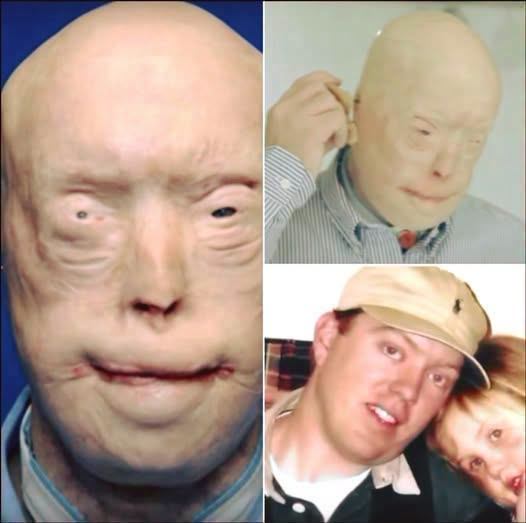
Patrick Hardison’s story represents remarkable tale of survival and medical innovation following catastrophic injury. As volunteer firefighter, Hardison suffered severe burns in 2001 house fire that collapsed on him during rescue attempt. His face and head sustained extensive damage requiring decades of medical intervention. Face transplant surgery in 2015 marked turning point in his journey toward normalcy and renewed life. This experience demonstrates human resilience while highlighting advances in reconstructive medicine.
Immediate aftermath of accident involved multiple surgeries and long-term medical care to address life-threatening injuries. Hardison faced significant challenges including inability to perform basic functions like blinking and smiling. Social isolation became major issue as public reactions to his appearance created emotional burden. Family support and personal determination helped him endure difficult recovery period despite physical and psychological pain.
Living with severe facial disfigurement created profound impact on daily life and self-perception. Hardison developed strategies for managing public interactions while protecting himself from unwanted attention. His experience reflects broader challenges faced by burn survivors navigating society’s focus on physical appearance. Support groups and counseling provide important resources for addressing trauma and rebuilding confidence.
Face transplant surgery represents cutting-edge medical procedure involving complex ethical and practical considerations. Hardison’s operation required extensive preparation and coordination among medical specialists. Success depended on careful matching with donor tissue and management of rejection risks. Post-operative care involved intensive rehabilitation to restore function and integrate new facial features.
Recovery from face transplant involves significant physical therapy and psychological adjustment to new appearance. Hardison worked diligently to regain ability to perform everyday functions while adapting to changed identity. Meeting donor’s family provided meaningful connection while honoring sacrifice that made transplant possible. This aspect of procedure highlights human element in medical miracles.
Long-term success of face transplants depends on ongoing medical management and patient commitment to care regimen. Immunosuppressive medications help prevent rejection while requiring careful monitoring for side effects. Hardison’s experience demonstrates importance of comprehensive support systems including medical professionals and family members. Continued research improves outcomes for future transplant recipients.
Public awareness about burn injuries and reconstructive options helps reduce stigma while supporting survivors. Hardison’s story provides inspiration for others facing similar challenges while educating about medical possibilities. Advocacy efforts help secure resources for research and patient care in specialized facilities. Increased understanding benefits entire community by promoting compassion and inclusion.
Personal transformation following severe trauma involves both physical healing and emotional growth. Hardison’s journey from isolation to public engagement shows capacity for resilience and renewed purpose. His willingness to share experience helps others understand challenges while celebrating medical achievements. This openness contributes to broader conversations about disability and human potential.
Medical miracles like face transplants represent intersection of scientific advancement and human compassion. Donor families’ generosity enables life-changing procedures for recipients facing extreme circumstances. Hardison’s gratitude toward donor and medical team reflects appreciation for collaborative effort that restored his appearance and function. These stories highlight importance of organ donation awareness.
Survivors of catastrophic injuries often become advocates for prevention and support services. Hardison’s experience as firefighter informs safety education while his recovery journey inspires hope for others. Continued research and improved treatments expand possibilities for burn victims and transplant candidates. Collective efforts help reduce suffering while honoring resilience of those who overcome adversity.
Most Popular!
-
 Eggs, Cholesterol, and Timing: What Actually Matters for Most People
-
When a Partner Leaves With More Than a Suitcase: Protecting Yourself From Financial Betrayal
-
When Financial Support Meets Contempt: Recognizing Exploitation Inside a Marriage
-
Why Some Sensory Toys and Household “Hacks” Do Not Belong in the Microwave
-
When Grief Clouds Judgment: Misreading Silence and the Quiet Ways People Show Care
-
When One Partner Does All the Hosting: Recognizing Imbalance Before Resentment Takes Over
-
How Many Holes Are in a T-Shirt? What a Simple Puzzle Reveals About How We See
-
The Quiet Stories Inside Secondhand Objects: When a Thrift-Store Find Carries Someone Else’s History