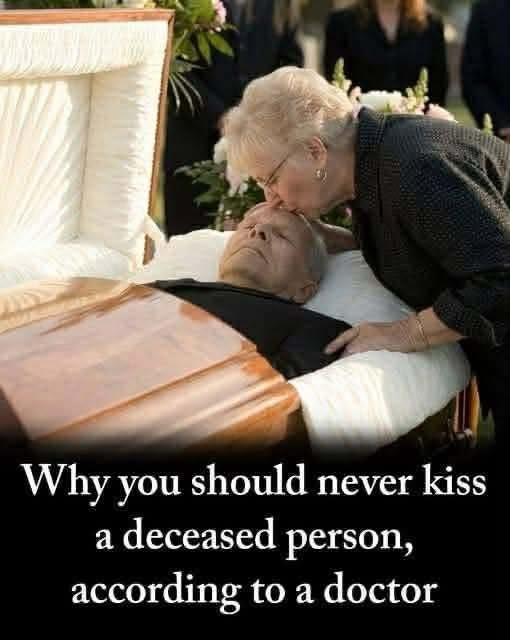
The thought of kissing a loved one goodbye at a funeral feels like the most natural, heartfelt act of closure. We’ve seen it in movies and experienced it in real life — a gentle touch of the lips to a forehead or cheek as a final expression of love and respect. But what if that tender moment carried hidden dangers that most people never consider? Medical professionals are speaking out more openly about the surprising health risks associated with close contact, including kissing, with a deceased body. While it may seem harmless or even comforting, certain biological realities after death can pose real threats, especially to those with compromised immune systems or during certain types of funerals. Understanding these risks doesn’t mean abandoning traditions of love and farewell — it means approaching them with awareness so you can honor the deceased while protecting the living.
When a person dies, the body begins a complex process of decomposition almost immediately. Bacteria that once lived harmlessly inside us start to multiply rapidly without the immune system to keep them in check. These microbes can produce toxins and gases that change the body’s chemistry. While modern embalming practices significantly reduce many risks, not every funeral or cultural tradition involves full embalming. In cases of natural burial, home funerals, or when time passes before preparation, the bacterial load increases. Kissing areas like the lips or face brings you into direct contact with these changing tissues and fluids. Doctors note that viruses and bacteria can remain viable for hours or even days after death, depending on conditions like temperature and cause of death.
One of the most concerning risks involves infectious diseases that may not have been immediately apparent before death. Certain viruses, such as herpes, hepatitis, or even tuberculosis in undiagnosed cases, can persist in bodily fluids. Medical examiners and funeral directors have documented rare but real instances where pathogens transferred during close contact. For healthy adults with strong immune systems, the danger is usually low, but for elderly family members, young children, pregnant women, or anyone undergoing chemotherapy or with autoimmune conditions, even brief exposure can lead to serious complications. The emotional vulnerability at funerals can also make people less cautious about hygiene, increasing the chance of accidental transmission through hands or shared items afterward.
Beyond infectious agents, the chemical changes in a deceased body create another layer of concern. As cells break down, they release enzymes and compounds that can irritate skin, eyes, and mucous membranes. A kiss on the cheek or forehead might seem innocent, but the skin of the deceased becomes more permeable and can harbor residues that trigger allergic reactions or infections in the living. Pathologists have observed that the mouth and nasal areas are particularly active zones for bacterial growth shortly after death. What feels like a loving gesture can inadvertently introduce these substances into your own system through tiny cuts, dry lips, or simply by touching your face afterward.
Cultural and religious traditions around death vary widely, and many involve close physical contact as a sign of respect. In some communities, kissing the body multiple times or touching the face is an important ritual. Medical experts don’t want to discourage these meaningful practices entirely, but they strongly recommend simple precautions. Washing hands thoroughly before and after any contact, avoiding direct lip-to-skin kisses especially on the mouth, and considering alternative ways to show affection — such as placing a hand on the shoulder or forehead — can maintain the spirit of the tradition while reducing risks. Many funeral homes now quietly offer hand sanitizer stations and gentle guidance for families navigating these emotional moments.
The story of one grieving daughter highlights how quickly these risks can become real. After losing her father to a long illness, she kissed his forehead during the viewing, following a family custom. Days later, she developed a stubborn skin infection that required antibiotics and left her with lasting scars. Doctors traced it back to bacteria that had proliferated in the days after death. While rare, cases like hers have prompted some hospitals and funeral associations to update their guidance for families. The message is compassionate but clear: love doesn’t require unnecessary health risks. There are beautiful, safe ways to say goodbye that honor both the departed and those left behind.
Children at funerals present a special consideration. Young ones often mimic adult behavior and may try to kiss a grandparent or parent without understanding boundaries. Their immune systems are still developing, making them more vulnerable to infections. Parents and guardians should gently explain age-appropriate ways to participate in farewell rituals. Many families now create memory books, write letters, or place special items in the casket as alternatives to direct physical contact. These meaningful gestures provide comfort without the potential health concerns.
Embalming practices have evolved significantly and greatly reduce many risks associated with viewing and touching the body. Modern techniques use fluids that slow decomposition and limit bacterial growth. However, not all services include full embalming, and some families choose green or natural burial options for environmental or personal reasons. In those cases, the timeline becomes even more important. The longer the time between death and final arrangements, the higher the potential for microbial activity. Reputable funeral directors are trained to discuss these realities openly and help families make informed choices that align with their values and safety needs.
Mental and emotional health also factor into these decisions. Grief can cloud judgment and make people more willing to take risks they normally wouldn’t. The desire for one last close connection is powerful and understandable. Health experts encourage families to talk openly before the funeral about how they want to handle final goodbyes. Having these conversations in advance reduces pressure during highly emotional moments and ensures everyone’s well-being is considered. Support from grief counselors or funeral staff can provide compassionate guidance tailored to each family’s situation.
Ultimately, showing love and respect for someone who has passed doesn’t have to compromise your health. Simple adjustments — hand washing, choosing gentler forms of contact, and being mindful of personal vulnerabilities — allow families to maintain cherished traditions safely. Medical professionals aren’t trying to remove humanity from these moments. They simply want to prevent unnecessary suffering during an already difficult time. By staying informed, we can honor our loved ones while protecting ourselves and others who gather to remember them.
The next time you attend a funeral or memorial service, take a moment to consider these realities with compassion rather than fear. A heartfelt touch on the hand, a whispered prayer, or placing flowers with care can convey just as much love as a kiss. Our bodies change after death, but the love we shared during life remains unchanged. By approaching final farewells with both tenderness and wisdom, we create space for healing that honors everyone involved. Life is precious, and so is the responsibility we have to care for one another — even in saying goodbye.
Most Popular!
-
 The Heartbreaking Truth Behind the Sudden Death of a Reality TV Icon
-
High School Bullies Called Me “Dumpster Princess” for Wearing My Late Grandmother’s Gown — But the Prom King Silenced Them With One Brutal Speech
-
Doctor Reveals Health Issues Hidden in Your Nails — What Your Fingernails Are Trying to Tell You
-
Hidden PFAS in Toilet Paper Linked to Cancer Risk — 6 Types You Need to Be Aware Of Right Now
-
7 Subtle Signs You’re Going Through a Deep Inner Shift (And Why It’s a Beautiful Thing)
-
My Husband Had a Vasectomy But When I Got Pregnant Two Months Later He Accused Me of Cheating — I Thought That Was the Worst Part Until the Ultrasound
-
A Legacy of Health: Soong Mei-ling’s Remarkable Longevity and Inspiring Fight Against Cancer
-
The Benefits of Eating Bananas and the Myths You Should Stop Believing