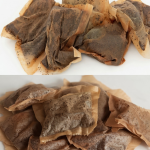
You climb into bed after a long day, ready to drift off, only to feel something strange against your skin. Tiny white specks. Small dark grains. Thread-like fibers that definitely weren’t there yesterday. Your mind immediately jumps to the worst-case scenarios — bugs, mold, or some mysterious infestation. Panic sets in. You strip the bed, Google symptoms at 1 a.m., and wonder if you need to throw everything out. Before you panic-buy new bedding or call an exterminator, take a deep breath. In the vast majority of cases, those strange objects in your bedding have a surprisingly simple, completely harmless explanation.
Most people who discover odd things in their sheets or pillowcases are actually looking at everyday household items that have built up over time. The most common culprit is laundry detergent or fabric softener residue. When you use too much detergent or don’t rinse thoroughly, tiny undissolved particles can cling to fabric fibers. Over multiple washes, these build up and appear as mysterious white or bluish specks, especially on dark sheets. They feel gritty or sandy and often show up after a new detergent brand is introduced.
Another frequent discovery is small, rice-like grains or tiny dark pellets. These are almost always skin cells, dead skin flakes, or environmental debris. Your body naturally sheds millions of skin cells every day, and they collect in bedding along with dust, pollen, pet dander, and microscopic fibers from clothing or towels. In humid environments, these can clump together, creating the illusion of something alive or growing.
Many people also find strange thread-like structures or what look like tiny worms. These are usually pulled fibers from sheets, blankets, or mattress toppers. Cheap or low-quality bedding sheds more easily, especially after repeated washing and drying. Static electricity from synthetic fabrics makes these fibers stand out dramatically against the sheet. They’re completely inert and harmless.
Why These “Mysteries” Show Up More Often Now
Modern washing machines and high-efficiency detergents are designed to use less water, which is great for the environment but sometimes leads to poorer rinsing. Combined with memory foam mattresses, plush comforters, and microfiber sheets that trap particles more effectively, strange objects become more noticeable. People also change bedding less frequently than previous generations, allowing buildup to occur.
If you have pets, the situation multiplies. Tiny bits of kibble, litter dust, or fur can migrate into the bedroom and settle into bedding. Even houseplants or dried flowers nearby can drop pollen or small seeds that end up looking suspicious under the covers.
Simple Ways to Identify and Eliminate Them
Before assuming the worst, try this quick test: place a suspected “object” on a white paper towel and add a drop of water. If it dissolves or becomes pasty, it’s likely detergent residue. If it crumbles into dust, it’s probably skin cells or dirt. If it’s a fiber, it will simply look like a thread.
To prevent these surprises:
- Use half the recommended amount of detergent
- Run an extra rinse cycle
- Wash bedding in hot water weekly
- Vacuum your mattress monthly
- Use a mattress protector and pillow encasements
- Opt for high-quality, tightly woven sheets that shed less
When You Should Actually Be Concerned
While most strange findings are harmless, a few situations do warrant attention. If you see actual moving creatures (bed bugs, mites, or carpet beetles), small black dots that smear reddish when crushed (bed bug droppings), or a sweet musty odor combined with staining, it’s time to investigate further. Persistent itching, bite marks, or visible insects mean you should consult a professional rather than self-diagnose from internet forums.
The good news is that the vast majority of “mysterious bedding objects” people report online turn out to be completely mundane. The human brain is wired to notice potential threats, especially in our safe sleeping space, so we overestimate danger.
The Psychological Side of Bedding Discoveries
There’s a reason these small discoveries cause such big reactions. Bed is where we are most vulnerable. Finding anything unusual there triggers a primal “something’s in my nest” response. Social media makes it worse — one dramatic video of “bugs in my bed” gets millions of views and plants seeds of fear in thousands of minds.
Understanding the simple explanations brings peace of mind. Most of the time, you don’t need expensive treatments or new mattresses. You need better laundry habits and a good vacuum.
Real Stories From People Who Found “Strange Objects”
Countless people have shared their panic-to-relief journeys online. One woman threw away $400 worth of bedding before realizing the white specks were undissolved washing powder from her new eco-detergent. A father spent a sleepless week convinced of bed bugs only to discover the “eggs” were actually tiny foam beads leaking from his daughter’s stuffed animal. These stories usually end the same way — with laughter and a much cleaner washing routine.
Making Peace With Your Bedding
Your bed should be a sanctuary, not a source of anxiety. By understanding what those strange objects usually are, you can relax and enjoy restful sleep instead of midnight Google spirals. Keep your bedding clean, use appropriate amounts of detergent, and remember that in most cases, what looks alarming is actually totally ordinary.
The next time you find something unexpected in your sheets, pause before panicking. Shine a light on it, do the simple tests, and most likely you’ll discover it’s nothing more than a reminder to tweak your laundry habits. Your bed can go back to being the peaceful place it’s meant to be.
Have you ever found strange objects in your bedding that turned out to be something simple? What was it and how did you figure it out? Share your story in the comments — you might save someone else a night of unnecessary worry.
Most Popular!
-
 My Brother Took the House, But Grandpa’s Cabin Held a Surprising Secret That Changed Everything
-
Before You Throw Away That Tea Bag: Practical and Creative Ways to Reuse It at Home
-
The Surprising Truth Behind Why Dogs Sniff People – And What They’re Really Trying to Tell You
-
She Lost Her Father in a Tragic Family Betrayal and Was Left With Just $300 – Then She Rose to Fame and Changed Everything
-
What Really Happens When You Eat Boiled Eggs Every Morning – A Complete Guide Backed by Nutrition Science
-
Why You Might See Metal Bands Around Tree Trunks – And What They Really Do
-
My 15-Year-Old Daughter Came Home from Her Grandmother’s House and Locked Herself in Her Room – What I Discovered Changed Everything
-
The Strange Object Under the Car – When a Small Discovery Raises Unexpected Questions That Changed Everything