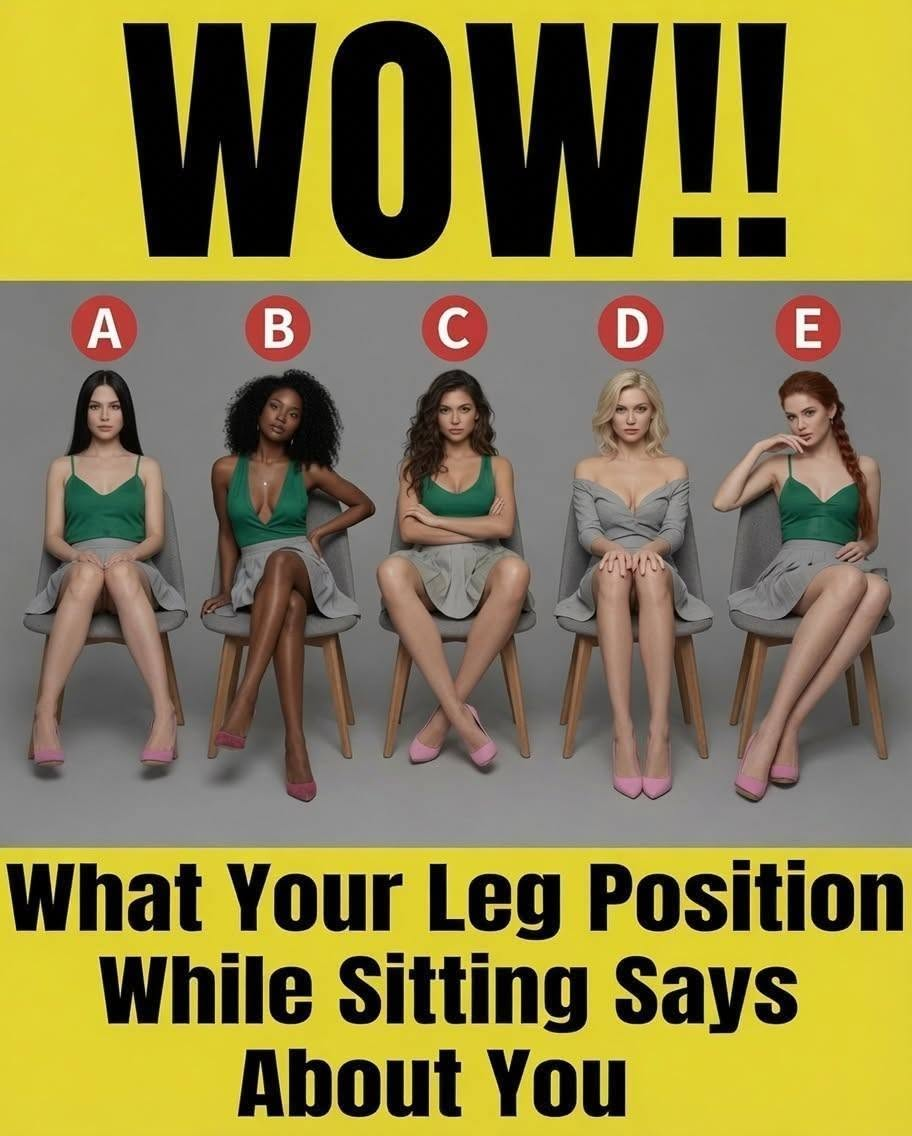
We often think of body language as something that happens when we stand up, gesture with our hands, or make eye contact during conversations. But the truth is, the way you sit can speak volumes about your confidence, emotions, stress levels, and even hidden personality traits without you saying a single word. Whether you’re at a job interview, on a first date, in a meeting, or simply relaxing at home, your sitting posture broadcasts subtle messages that others pick up on instinctively. Understanding these signals not only helps you read the room better but also gives you the power to project the image you truly want to show the world.
From the moment you lower yourself into a chair, your body begins communicating. Crossing your legs tightly toward someone might signal defensiveness or discomfort, while an open, relaxed posture with feet planted firmly on the ground often conveys confidence and approachability. These aren’t random habits—they stem from deep evolutionary roots and psychological patterns that influence how people perceive and respond to us. In professional settings, someone who sits hunched over with crossed arms might be viewed as insecure or closed off, even if they’re highly competent. On the other hand, leaning slightly forward with open palms can build instant rapport and trust.
The “power pose” concept extends beyond standing. Sitting with your back straight, shoulders relaxed, and taking up a bit of space (without manspreading) signals self-assurance and leadership potential. This position allows better breathing and energy flow, which in turn boosts your actual confidence levels through a feedback loop between body and mind. Conversely, slouching or curling inward can trigger feelings of fatigue and lower self-esteem, creating a cycle where poor posture reinforces negative emotions. Small adjustments in how you sit can therefore shift not just how others see you, but how you feel about yourself throughout the day.
Leg positioning offers particularly revealing insights. Crossing one leg over the other in a relaxed manner often indicates comfort and openness, especially when the top leg points toward the person you’re engaging with. However, tightly crossed legs with ankles locked can suggest anxiety or a desire to protect yourself emotionally. People who frequently sit with one ankle resting on the opposite knee (the “figure-four” position) tend to display higher confidence and territorial behavior. In negotiations or important discussions, noticing these cues in others can give you a strategic edge in understanding their true feelings beneath the spoken words.
Hand and arm placement during sitting adds another layer of silent communication. Resting hands openly on the thighs or table suggests honesty and engagement, while fidgeting, hiding hands, or gripping armrests tightly often reveals nervousness or discomfort. Steepling your fingers while listening demonstrates thoughtfulness and control, a gesture commonly associated with leaders and analytical thinkers. On the flip side, constantly touching your face or neck while seated can signal doubt, deception, or self-soothing behavior that others might unconsciously pick up on.
The way you position yourself relative to others matters enormously too. Leaning back too far might be interpreted as disinterest or arrogance, while leaning too eagerly forward could come across as invasive. Finding that balanced “engagement zone” creates natural connection without overwhelming the other person. In social gatherings, people who sit slightly turned toward the group tend to be perceived as more warm and inclusive, while those who angle their body away might appear detached or superior, regardless of their actual personality.
Modern work culture, with its endless hours at desks and in meetings, has amplified the importance of sitting awareness. Poor posture doesn’t just affect how others perceive you—it takes a physical toll over time, contributing to back pain, reduced energy, and even impacts on mood through decreased oxygen flow and compressed organs. Making conscious choices about your seated position can therefore improve both your nonverbal communication and your long-term physical health. Simple habits like keeping feet flat, shoulders relaxed, and periodically shifting position can make a surprising difference in how you feel and appear to colleagues.
Cultural differences add fascinating nuance to these signals. In some societies, more compact and modest sitting positions show respect, while in others, taking up space demonstrates status and confidence. Being aware of these variations becomes crucial in our increasingly globalized world, whether you’re traveling for business or working in diverse teams. What reads as confident in one culture might seem aggressive in another, highlighting the importance of contextual awareness when interpreting or projecting body language.
Improving your sitting habits doesn’t require dramatic changes. Start by observing yourself in everyday situations—during video calls, meals, or casual conversations. Record a few meetings if possible to see yourself from an outsider’s perspective. Practice “power sitting” techniques: plant your feet, straighten your spine, relax your shoulders, and maintain open arm positions. These adjustments not only enhance how others perceive you but often lead to genuine increases in confidence and mental clarity.
For parents, teaching children healthy sitting habits early can benefit them throughout life. Encouraging good posture during homework or family dinners helps develop natural confidence and physical awareness. In romantic relationships, paying attention to how partners sit together can reveal unspoken feelings and strengthen emotional connection. A couple sitting close with open body language often signals comfort and intimacy, while consistent distance or closed postures might indicate underlying tension worth addressing.
The most empowering aspect of understanding seated body language is realizing you have control over the story your body tells. You don’t need to be a psychologist to start using this knowledge effectively. By aligning your physical position with the message you want to convey—whether confidence in a job interview, openness on a date, or calm authority in a meeting—you create more authentic and positive interactions. Over time, these conscious choices become natural habits that enhance both personal presence and overall well-being.
In our digital age of constant virtual meetings and screen time, the way we sit has never been more important. Camera angles can exaggerate poor posture, while good seated habits translate powerfully through video. Taking regular breaks to stand, stretch, and reset your position prevents the stiffness and negative signaling that comes from prolonged sitting. Small investments in ergonomic chairs or simple cushions can also support better alignment without major expense.
Ultimately, your sitting position is constantly broadcasting information about your inner state to the world around you. By becoming more mindful of these silent signals, you gain a valuable tool for better communication, stronger relationships, and improved self-awareness. The next time you settle into a chair, remember that your body is speaking even when your mouth is silent. Make those nonverbal messages work in your favor, and you’ll likely notice improvements in how others respond to you and how you feel about yourself.
The way you sit isn’t just about comfort—it’s about connection, confidence, and the subtle art of presence. Master this often-overlooked aspect of body language, and you unlock a quiet superpower that enhances nearly every area of life. Your posture in the chair might just be one of the most honest things about you, and with awareness, it can become one of your greatest strengths.
Most Popular!
-
 The Silent Killer Hiding in Your Fridge: Why Your Refreshing Coconut Water Could Send You Straight to the ER
-
The Alarming Health Rumor That Nearly Paralyzed America: How a Single False Claim Exposed the Fragility of Our Information Age
-
The Sleeping Monster Inside You: Why a Childhood Virus Could Suddenly Erupt Into Years of Unbearable Pain
-
The Shocking Transformation of Barron Trump: Is This Really the Same Quiet Teen We Once Knew?
-
The Vicks VapoRub Hack That’s Making Spiders Flee Your Home in Terror
-
The Forgotten Queen of Hollywood: Angie Dickinson’s Quiet, Lonely Final Chapter
-
Trump’s Bold Tax Plan for Seniors Over 65: A Game-Changer That Could Put Real Money Back in Retirees’ Pockets
-
The Mysterious Cracks in Your Watermelon: Should You Throw It Out or Is It Still Safe to Eat?