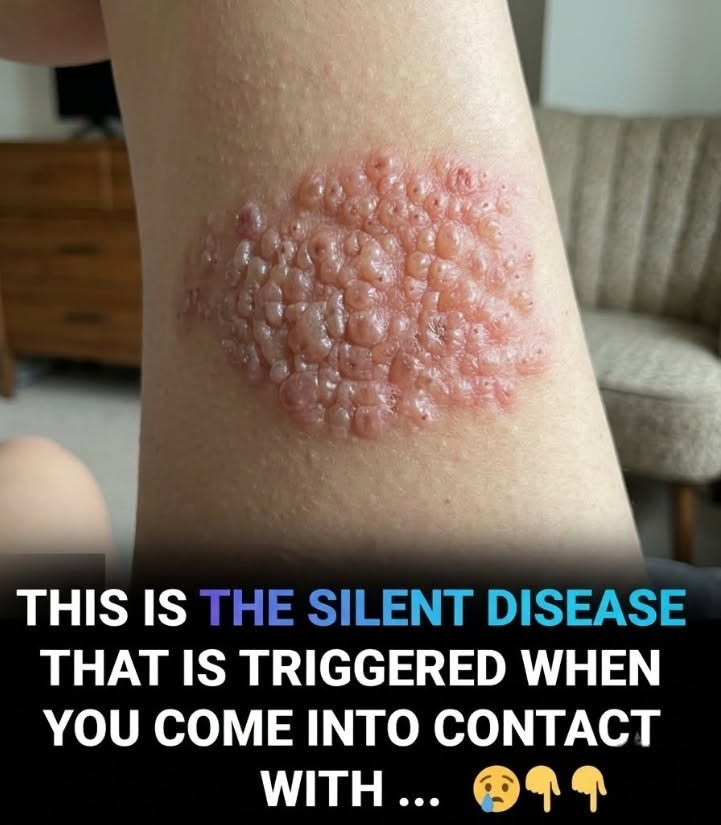
Most of us think of chickenpox as a distant childhood memory — an itchy inconvenience that came and went with a few weeks of calamine lotion and cartoons. But what if that long-forgotten illness never truly left your body? Deep within your nervous system, the varicella-zoster virus lies dormant, waiting for the right moment to reawaken. When it does, it doesn’t return as a mild rash. It strikes as shingles, a painful, blistering condition that can cause excruciating nerve pain lasting months or even years. This “sleeping monster” affects millions, often striking when people least expect it, and the consequences can be life-altering if not caught early.
The varicella-zoster virus is the same culprit behind chickenpox. After the initial infection clears, the virus doesn’t disappear. It retreats into clusters of nerve cells called ganglia, where it can remain inactive for decades. For many people, it stays quiet forever. But as we age, face high stress, battle illness, or experience a weakened immune system, the virus can reactivate. It travels along nerve pathways to the skin, causing inflammation, blisters, and intense pain in a distinctive band-like pattern — usually on one side of the torso, face, or elsewhere.
The early warning signs are often subtle and easy to dismiss. You might feel a strange tingling, burning, or shooting pain in a localized area days before any visible rash appears. Some describe it as an electric shock sensation or extreme sensitivity to touch, like the skin is sunburned. Because these symptoms mimic muscle strains, migraines, or even heart issues, many people delay seeking help. By the time the characteristic red rash and fluid-filled blisters emerge, the virus has already done significant damage to the nerves. This delay is critical — antiviral medications work best when started within 72 hours of the first symptoms.
Shingles isn’t just a skin condition. The pain can be debilitating, often described as one of the worst a person can experience. In severe cases, it leads to postherpetic neuralgia (PHN), a chronic nerve pain condition where the burning and stabbing sensations continue long after the rash heals. This can last for months or years, interfering with sleep, work, and daily life. Older adults and those with compromised immune systems face higher risks of complications, including vision loss if the rash affects the face near the eyes, or bacterial infections from open blisters.
What’s particularly alarming is that shingles is no longer primarily a disease of the elderly. Younger adults in their 30s, 40s, and 50s are increasingly reporting cases, often linked to chronic stress, burnout, poor sleep, and weakened immunity from modern lifestyles. The body’s natural defenses weaken under constant pressure, giving the dormant virus the opportunity it needs. This shift means more people in their prime working years are facing weeks or months of recovery, lost productivity, and lingering pain that affects quality of life.
Prevention is one of the most powerful tools available. The shingles vaccine (Shingrix) is highly effective at preventing both the initial outbreak and the dreaded long-term nerve pain. Health experts recommend it for adults 50 and older, and for younger people with certain risk factors. Despite its proven benefits, many eligible individuals remain unvaccinated due to lack of awareness or misconceptions about side effects. Getting vaccinated isn’t just about avoiding a painful rash — it’s about protecting your future mobility, sleep, and overall well-being.
Beyond vaccination, lifestyle choices play a crucial role in keeping the virus dormant. A strong immune system is your best defense. Prioritizing quality sleep, managing stress through exercise, meditation, or therapy, eating a nutrient-rich diet, and staying active all help maintain the internal balance that keeps the virus in check. Chronic stress in particular is a major trigger, as it suppresses immune function and creates the perfect environment for reactivation. Small daily habits — like consistent bedtime routines, balanced meals, and regular movement — can make a significant difference in long-term risk.
If you do develop symptoms, time is everything. Contact your doctor immediately if you experience unexplained one-sided pain, burning, or tingling, especially if accompanied by fatigue or mild fever. Early antiviral treatment can shorten the duration of the illness and reduce the severity of complications. Pain management strategies, including certain medications, topical treatments, and sometimes nerve blocks, can provide relief while the body heals. Support from family, friends, and healthcare providers makes the recovery process far more manageable.
The emotional toll of shingles shouldn’t be underestimated either. Chronic pain can lead to anxiety, depression, and social withdrawal. Many survivors describe feeling isolated because others don’t fully understand the intensity of the discomfort. Connecting with support groups or mental health professionals can provide coping strategies and validation during difficult periods. Recognizing shingles as both a physical and emotional challenge helps create a more comprehensive approach to healing.
Public awareness campaigns are increasingly highlighting the importance of prevention and early intervention. Doctors are encouraging patients to discuss their history of chickenpox and consider vaccination during routine check-ups. For those who have already experienced shingles, sharing stories helps others recognize symptoms faster and seek care promptly. Education reduces stigma and empowers people to take control of their health rather than waiting for a painful outbreak to force action.
Living with the knowledge that this virus may be dormant inside you can feel unsettling, but it doesn’t have to define your future. Most people who had chickenpox will never develop shingles, and even those who do often recover fully with proper care. The key is staying informed, proactive, and attentive to your body’s signals. Regular health check-ups, a balanced lifestyle, and open conversations with your doctor create the best defense against unexpected reactivation.
The “sleeping monster” inside many of us doesn’t have to become a nightmare. By respecting the virus’s potential and taking practical steps to support your immune system, you greatly reduce the chances of it waking up. Listen to early warning signs, prioritize prevention, and don’t hesitate to seek medical help when something feels off. Your nerves carry the blueprint of your past infection, but your daily choices determine whether that blueprint stays dormant or erupts into agony.
Take control today. Talk to your doctor about vaccination if you’re eligible. Build healthy habits that strengthen your body’s natural defenses. And if you ever experience unusual one-sided pain or tingling, act quickly rather than waiting it out. The peace of mind that comes from being prepared is one of the greatest gifts you can give yourself and your loved ones. The virus may be silent for now, but staying vigilant ensures it stays that way for good. Your future comfort and quality of life depend on the actions you take while it remains quiet.1
Most Popular!
-
 The Silent Killer Hiding in Your Fridge: Why Your Refreshing Coconut Water Could Send You Straight to the ER
-
The Alarming Health Rumor That Nearly Paralyzed America: How a Single False Claim Exposed the Fragility of Our Information Age
-
Your Sitting Position Is Silently Revealing Your Deepest Secrets – What Your Body Language Is Telling Everyone Around You
-
The Shocking Transformation of Barron Trump: Is This Really the Same Quiet Teen We Once Knew?
-
The Vicks VapoRub Hack That’s Making Spiders Flee Your Home in Terror
-
The Forgotten Queen of Hollywood: Angie Dickinson’s Quiet, Lonely Final Chapter
-
Trump’s Bold Tax Plan for Seniors Over 65: A Game-Changer That Could Put Real Money Back in Retirees’ Pockets
-
The Mysterious Cracks in Your Watermelon: Should You Throw It Out or Is It Still Safe to Eat?