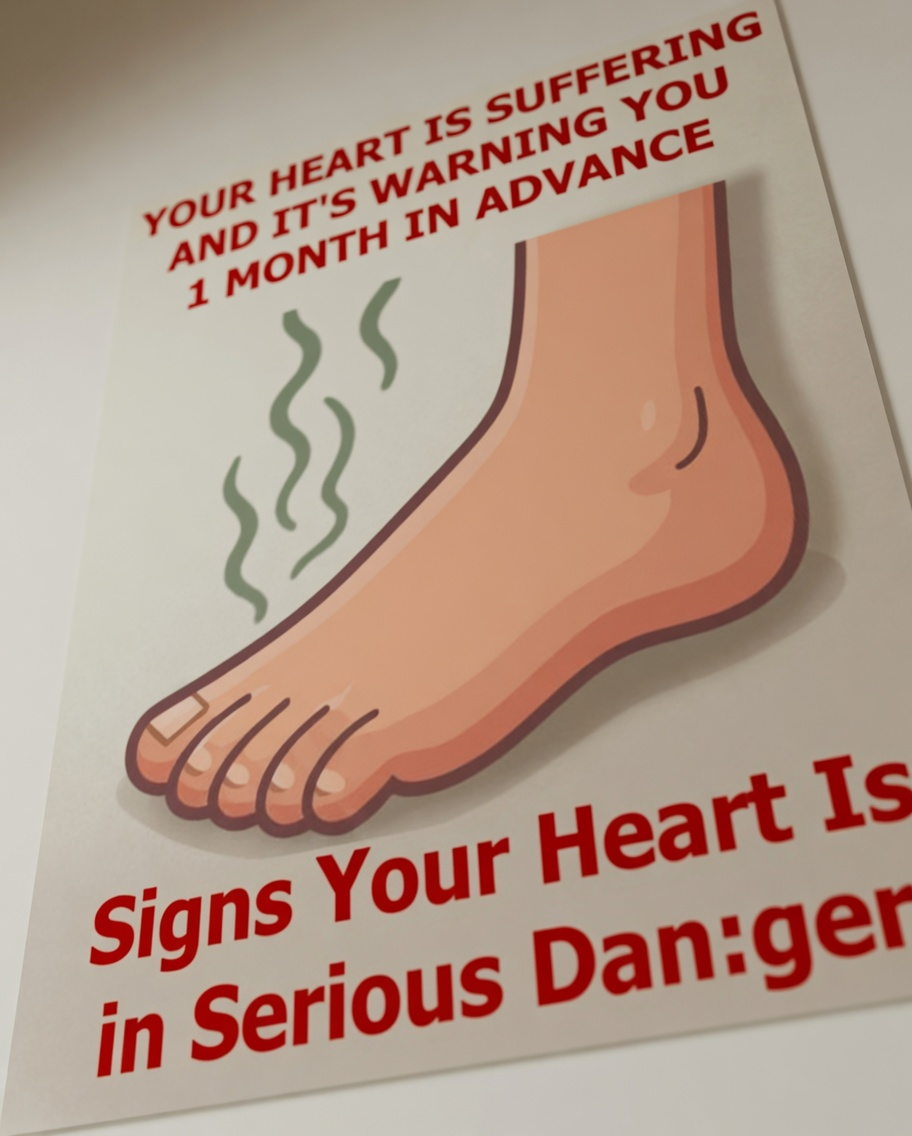
We spend so much time worrying about cholesterol numbers, blood pressure readings, and family history when it comes to heart health. Yet one of the most revealing indicators often sits right at the end of our legs, quietly sending signals that something deeper may be wrong. The surprising connection between foot health and cardiovascular wellness has been hiding in plain sight for years, and paying attention to your feet could literally save your life. Far from being just another body part, your feet act like an early-warning system for circulation problems, nerve damage, and even full-blown heart disease, especially if you have diabetes or other risk factors.
The science behind this link is straightforward but powerful. Your heart pumps blood through thousands of miles of vessels to reach every corner of your body, including the farthest points in your toes. When arteries begin to narrow or harden due to plaque buildup, the effects show up first in the extremities because they’re the greatest distance from the heart. High blood sugar, common in diabetes, damages the delicate inner lining of blood vessels and nerves over time. This leads to reduced blood flow and impaired nerve function, creating the perfect conditions for foot problems that can signal bigger cardiovascular trouble ahead.
One of the most common red flags is persistent coldness or numbness in the feet. If your toes feel icy even when the rest of you is warm, or if you notice tingling, burning, or a pins-and-needles sensation, it could point to poor circulation or diabetic neuropathy. These symptoms often develop gradually, so many people dismiss them as normal aging or the result of tight shoes. In reality, they can be early signs that your arteries are struggling to deliver oxygen-rich blood where it’s needed most. Left unchecked, this same process that affects your feet can eventually strain the heart itself.
Swelling around the ankles or feet is another important clue. While occasional puffiness after a long day on your feet is normal, persistent or unexplained edema often signals that the heart is having trouble pumping efficiently or that fluid is backing up due to circulatory issues. Changes in skin color or texture can also be telling. Paler skin, bluish tint, shiny or thinned-out appearance, or even hair loss on the legs and feet may indicate reduced blood flow. These visual changes happen because the tissues aren’t getting the nutrients and oxygen they need to stay healthy.
Perhaps the most serious warning sign is slow-healing wounds or frequent infections. Small cuts, blisters, or pressure sores that linger for weeks instead of days deserve immediate attention. Poor circulation means less oxygen and immune support reaching the area, while nerve damage can mean you don’t even feel the injury happening. This combination raises the risk of serious complications like ulcers or, in extreme cases, amputation. The same underlying vascular problems that cause these foot issues are often at work in the coronary arteries, increasing the chance of heart attack or stroke.
The good news is that your feet give you a chance to catch problems early, long before chest pain or shortness of breath appear. Daily foot checks take just a minute or two but can make an enormous difference. Look for redness, swelling, cuts, calluses, or changes in temperature or color. Use a mirror if you can’t see the bottoms easily, or ask a family member for help. People with diabetes should make this a non-negotiable habit, but anyone concerned about heart health can benefit from staying vigilant.
Lifestyle choices play a huge role in protecting both your feet and your heart. Regular physical activity, even something as simple as a daily 30-minute walk, improves circulation and strengthens the cardiovascular system. Choose supportive, well-fitting shoes that cushion your feet and avoid going barefoot around the house where small injuries can occur unnoticed. Maintaining stable blood sugar levels through diet and medication (if prescribed) helps prevent the vessel and nerve damage that links foot problems to heart disease. Quitting smoking is one of the single most effective steps you can take, as tobacco dramatically worsens circulation.
Nutrition also matters more than most people realize. A heart-friendly diet rich in vegetables, fruits, whole grains, lean proteins, and healthy fats supports healthy blood vessels from head to toe. Foods high in antioxidants and anti-inflammatory compounds can help protect the delicate lining of arteries. Staying hydrated and managing blood pressure and cholesterol levels through medication when needed further reduces strain on the entire circulatory system.
When foot symptoms appear, don’t wait to see if they go away on their own. Schedule a visit with your doctor or a podiatrist who understands the connection to cardiovascular health. Simple tests like checking pulses in the feet, measuring ankle-brachial index, or ordering blood work can reveal hidden issues early. In many cases, lifestyle adjustments and proper medical management can reverse or slow the progression of problems before they reach the heart.
The feet-heart connection reminds us that the body is an interconnected system where one area’s health reflects the whole. Ignoring foot pain, numbness, or slow-healing sores isn’t just about uncomfortable shoes or “getting older.” It could be your body’s way of waving a red flag about something far more serious. Taking care of your feet isn’t vanity — it’s one of the smartest investments you can make in long-term heart wellness.
Small daily habits truly add up. A quick foot inspection after your shower, choosing better shoes, staying active, and keeping blood sugar in check are simple steps that protect both your mobility and your heart. The next time you slip off your socks, take a moment to really look. Those feet at the end of your legs might just be holding the key to catching a problem before it becomes a crisis.
Your heart and your feet are more closely connected than most people ever realize. By listening to the signals your feet send, you’re giving yourself the best possible chance at a longer, healthier life. Start paying attention today — your future self will thank you.
Most Popular!
-
 THE SILENCE SURROUNDING RFK JR.: WHAT IS BEING HIDDEN BEHIND CLOSED DOORS?
-
THE HELICOPTER IN THE BACKYARD: WHY MY PARENTS DISMISSED MY ORDINARY HUSBAND UNTIL HE SAVED MY LIFE DURING A TERRIFYING LABOR EMERGENCY
-
A DEADLY TREND: THE SILENT KILLER LURKING IN A TEEN’S PURSUIT OF BEAUTY
-
A DEADLY TREND: THE SILENT KILLER LURKING IN A TEEN’S PURSUIT OF BEAUTY
-
MY WIFE SOLD MY PRICELESS INHERITANCE BEHIND MY BACK—THEN THE BUYER CALLED IN ABSOLUTE TERROR!
-
THE FORTUNE I DIDN’T EXPECT: MY ELDERLY HUSBAND’S FINAL ACT OF REVENGE AGAINST HIS VULTURES
-
THE BILLIONAIRE IN THE TRAILER: TWO BOYS THOUGHT THEY WERE HELPING A DESTITUTE OLD MAN, BUT THE SECRET IN HIS FINAL WILL SHOCKED EVERYONE
-
THE INHERITANCE TRAP: MY SISTER STOLE THE PENTHOUSE, BUT I STOLE THE EMPIRE