Most people have heard the word “aneurysm” but picture it as something that only happens to older relatives or celebrities in dramatic TV scenes. In reality, this potentially life-threatening bulge in a blood vessel wall can develop quietly in anyone, often without obvious symptoms until it becomes an emergency. Aneurysms are far more common than many realize, and the difference between early detection and sudden catastrophe often comes down to simple awareness. Understanding the real signs, debunking persistent myths, and knowing what current science tells us can literally be lifesaving.
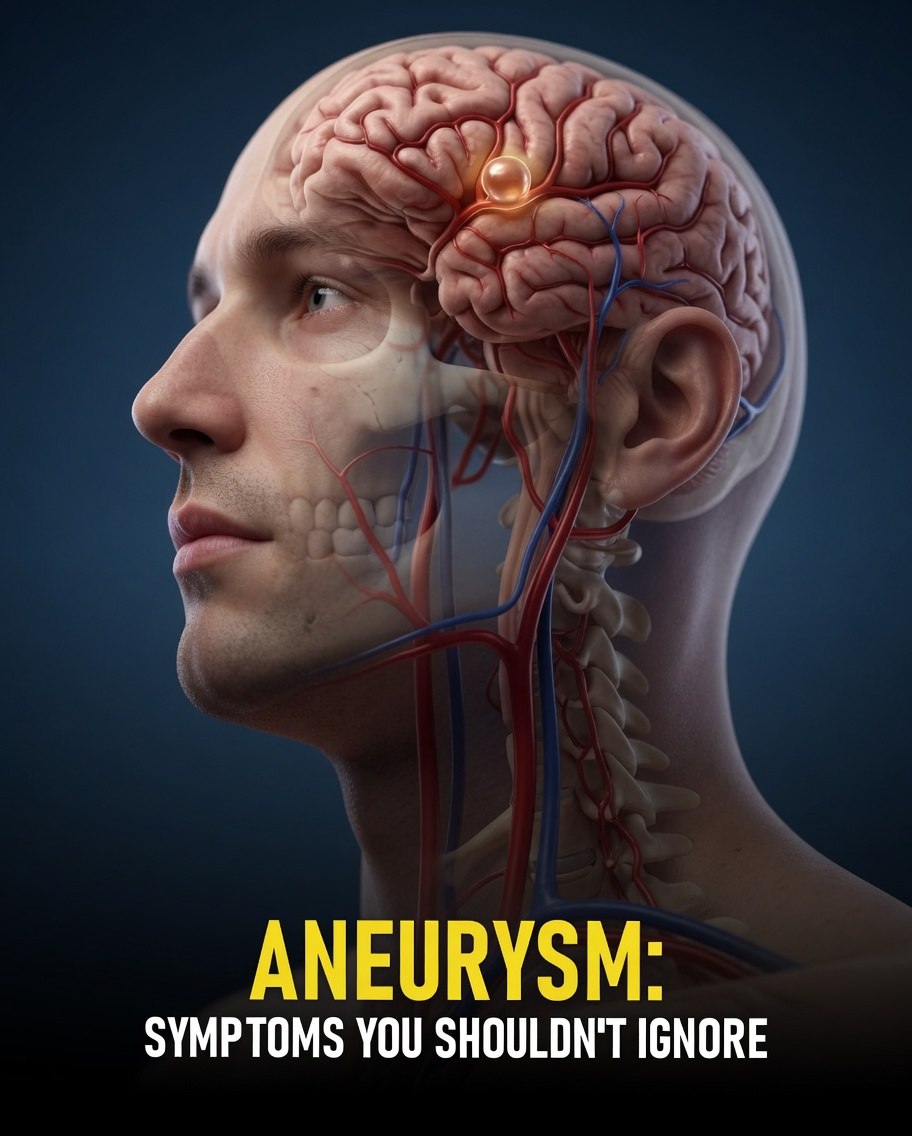
An aneurysm forms when a weak spot in an artery wall balloons outward under the constant pressure of blood flow. The most dangerous locations are in the brain (cerebral aneurysms) and the aorta, the body’s largest artery. While some stay small and stable for years, others grow and eventually rupture, causing internal bleeding that can be fatal within minutes. The good news is that many aneurysms are now detectable with routine imaging, and lifestyle changes plus medical monitoring can dramatically reduce risk.
Common Misconceptions That Could Put You at Risk
One of the biggest myths is that aneurysms only strike older adults. While age is a risk factor because arteries naturally lose elasticity over time, younger people — even those in their 20s and 30s — can develop them due to genetic conditions, connective tissue disorders, or long-term high blood pressure. Another widespread belief is that “no symptoms means no problem.” Many aneurysms remain completely silent until they rupture, which is why they’re often called silent killers. Absence of pain or discomfort does not equal safety.
People also wrongly assume that only those with obviously poor health need to worry. Healthy, active individuals with no obvious risk factors can still have undetected aneurysms because of inherited weaknesses in blood vessel walls or subtle, undiagnosed hypertension. Finally, the idea that every aneurysm will eventually burst is simply false. Many remain stable and are safely monitored for decades with regular scans.
Key Warning Signs That Demand Immediate Attention
Unruptured aneurysms sometimes give subtle clues, especially if they press on nearby nerves or tissues. For cerebral aneurysms, watch for a persistent headache different from your usual pattern, pain above or behind one eye, blurred or double vision, a drooping eyelid, or sudden numbness on one side of the face. These symptoms can mimic migraines or sinus issues, which is why they’re often dismissed until it’s too late.
When an aneurysm ruptures, the signs are usually unmistakable and require emergency care. A sudden, explosive “thunderclap” headache — often described as the worst of your life — is the classic warning. It may come with nausea, vomiting, neck stiffness, sensitivity to light, confusion, seizures, or loss of consciousness. Aortic aneurysms might cause deep chest, back, or abdominal pain, a pulsing sensation in the abdomen, or shortness of breath. The faster you recognize these red flags and seek help, the better the outcome.
What Science Really Says About Causes and Risk Factors
Modern research shows that aneurysms develop when the structural proteins (collagen and elastin) in artery walls weaken over time. High blood pressure puts constant extra stress on these walls, while smoking damages the lining of blood vessels and accelerates plaque buildup. Family history plays a major role — certain genetic conditions like Marfan syndrome or Ehlers-Danlos syndrome dramatically increase risk. Diabetes, high cholesterol, and heavy alcohol use also contribute by promoting inflammation and vessel damage.
Recent studies using advanced imaging have revealed that many small aneurysms never rupture and can be safely watched. The decision to treat depends on size, location, growth rate, and individual factors such as age and overall health. Endovascular coiling and surgical clipping are now highly refined procedures with good success rates when intervention is needed.
Practical Steps for Prevention and Early Detection
The best defense is proactive screening and lifestyle changes. If you have a family history of aneurysms or known risk factors, talk to your doctor about screening with CT angiography, MR angiography, or ultrasound. Controlling blood pressure through diet, exercise, and medication is one of the most effective ways to protect your arteries. Quitting smoking is non-negotiable — it’s one of the strongest modifiable risk factors.
A heart-healthy diet rich in fruits, vegetables, whole grains, and healthy fats supports vessel elasticity. Regular moderate exercise improves circulation without putting dangerous strain on weakened areas. Maintaining a healthy weight and managing stress through sleep, mindfulness, or therapy also reduces overall vascular wear and tear. For people already diagnosed with a small aneurysm, routine follow-up imaging can catch growth early.
Living with Awareness Instead of Fear
Learning about aneurysms shouldn’t cause constant anxiety — it should empower you to take control of your health. Most people with aneurysms live full, active lives when the condition is monitored properly. Support groups, patient advocacy organizations, and open conversations with your healthcare team can provide both information and emotional support.
If you or someone you love experiences sudden severe symptoms, call emergency services immediately. Time is critical when an aneurysm ruptures, and rapid intervention can mean the difference between life and death.
The more we talk openly about aneurysm awareness, the more lives we can protect. This isn’t about living in fear of every headache or twinge — it’s about recognizing patterns and seeking help when something feels truly off. Science continues to improve detection and treatment every year, giving us better tools than ever before.
Small daily choices really do add up when it comes to vascular health. By staying informed, managing known risk factors, and listening to your body’s signals, you’re giving yourself the best possible chance at a long, healthy future — free from the silent threat of an undetected aneurysm.
What symptoms or risk factors have you noticed in yourself or loved ones? Have you ever had an aneurysm screening? Share your experiences in the comments below — your story could encourage someone else to get checked and potentially save a life.
Most Popular!
-
 THE SILENCE SURROUNDING RFK JR.: WHAT IS BEING HIDDEN BEHIND CLOSED DOORS?
-
THE HELICOPTER IN THE BACKYARD: WHY MY PARENTS DISMISSED MY ORDINARY HUSBAND UNTIL HE SAVED MY LIFE DURING A TERRIFYING LABOR EMERGENCY
-
A DEADLY TREND: THE SILENT KILLER LURKING IN A TEEN’S PURSUIT OF BEAUTY
-
A DEADLY TREND: THE SILENT KILLER LURKING IN A TEEN’S PURSUIT OF BEAUTY
-
MY WIFE SOLD MY PRICELESS INHERITANCE BEHIND MY BACK—THEN THE BUYER CALLED IN ABSOLUTE TERROR!
-
THE FORTUNE I DIDN’T EXPECT: MY ELDERLY HUSBAND’S FINAL ACT OF REVENGE AGAINST HIS VULTURES
-
THE BILLIONAIRE IN THE TRAILER: TWO BOYS THOUGHT THEY WERE HELPING A DESTITUTE OLD MAN, BUT THE SECRET IN HIS FINAL WILL SHOCKED EVERYONE
-
THE INHERITANCE TRAP: MY SISTER STOLE THE PENTHOUSE, BUT I STOLE THE EMPIRE