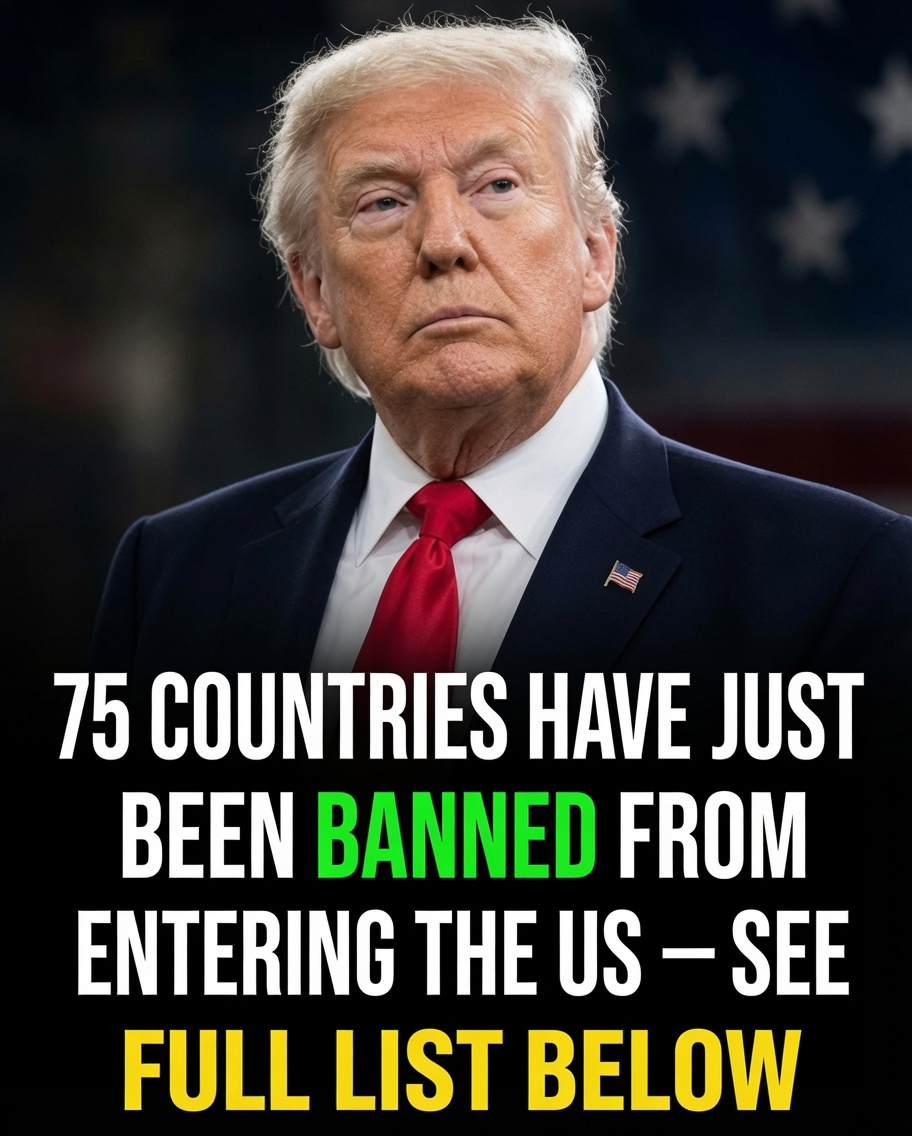
In January 2026, the U.S. government announced a temporary pause on new immigrant visas for nationals of 75 countries. The policy, issued early in the new administration, affects applications for permanent residency while leaving most short-term visas — such as those for tourism, study, and business — largely untouched. The move was framed as part of a broader review of screening procedures and financial self-sufficiency requirements for immigrants.
The affected nations span multiple continents, including parts of Africa, Asia, Latin America, the Middle East, and even some European countries. Officials stated the pause would allow time to strengthen vetting processes and ensure that new immigrants are not likely to become dependent on public resources. Supporters argue this type of review is a reasonable step for any nation concerned with border security and long-term fiscal responsibility.
Critics, however, quickly condemned the policy as overly broad and potentially discriminatory. Human rights organizations and immigration advocates contend that halting legal immigration pathways from so many countries disrupts families, delays reunifications, and creates uncertainty for people who have followed the rules. Some legal challenges have already been filed, arguing that the freeze may violate principles of equal protection and due process.
The economic dimension has also drawn attention. Several U.S. industries — including technology, healthcare, engineering, and academia — rely on skilled workers from around the world. A prolonged pause could create staffing gaps and slow innovation in sectors that compete globally for talent. Business groups have expressed concern that such restrictions, even if temporary, send a signal that could affect America’s attractiveness as a destination for high-skilled professionals.
On the other side, proponents point to longstanding debates about immigration enforcement and the capacity of public systems. They argue that thorough reviews of who enters the country permanently are essential, especially when security protocols and economic impact are involved. From this perspective, pausing new approvals during a policy reassessment is a prudent administrative step rather than an outright ban.
Family separations remain one of the most emotionally charged aspects of the discussion. Many applicants have waited years through legal channels, often with spouses or children already in the United States. A sudden freeze can extend those waits indefinitely, creating hardship for families caught in administrative limbo. Advocates emphasize the human cost, while supporters maintain that national policy decisions sometimes require difficult trade-offs.
The global reaction has been swift and varied. Some governments have expressed frustration or disappointment, while others have remained relatively quiet. International organizations and advocacy groups have framed the policy as a retreat from previous commitments to orderly legal migration. At the same time, voices within the United States supportive of stricter controls have welcomed the pause as a necessary correction.
Legal experts note that presidents have historically exercised significant authority over immigration policy, including temporary restrictions during periods of review or heightened security concerns. However, broad pauses affecting dozens of countries simultaneously tend to face court challenges and intense political scrutiny. The ultimate outcome will likely depend on how long the freeze lasts and whether narrower, more targeted measures replace it.
The situation also highlights deeper tensions in immigration policy that have existed for decades. Questions about how to balance national security, economic needs, humanitarian considerations, and fair legal processes rarely have simple answers. Policies that feel protective to one group often feel punitive to another, especially when they affect people who have spent years navigating complex legal systems.
For individuals and families directly impacted, the practical effects are immediate. Pending applications are on hold, travel plans are disrupted, and future decisions about jobs, education, and relocation remain uncertain. Many are now watching closely to see whether the pause will be short-lived or evolve into longer-term changes in U.S. immigration rules.
As the debate continues, one thing remains clear: decisions about who can enter a country permanently carry significant consequences for both the nation setting the policy and the people affected by it. Whether viewed as a necessary security measure or an overly broad restriction, the visa freeze has once again placed immigration policy at the center of national and international discussion. How the situation develops in the coming months will likely influence not only individual lives but also broader conversations about borders, belonging, and the role of legal immigration in a changing world.
Most Popular!
-
 Eggs, Cholesterol, and Timing: What Actually Matters for Most People
-
When a Partner Leaves With More Than a Suitcase: Protecting Yourself From Financial Betrayal
-
When Financial Support Meets Contempt: Recognizing Exploitation Inside a Marriage
-
Why Some Sensory Toys and Household “Hacks” Do Not Belong in the Microwave
-
When Grief Clouds Judgment: Misreading Silence and the Quiet Ways People Show Care
-
When One Partner Does All the Hosting: Recognizing Imbalance Before Resentment Takes Over
-
How Many Holes Are in a T-Shirt? What a Simple Puzzle Reveals About How We See
-
The Quiet Stories Inside Secondhand Objects: When a Thrift-Store Find Carries Someone Else’s History