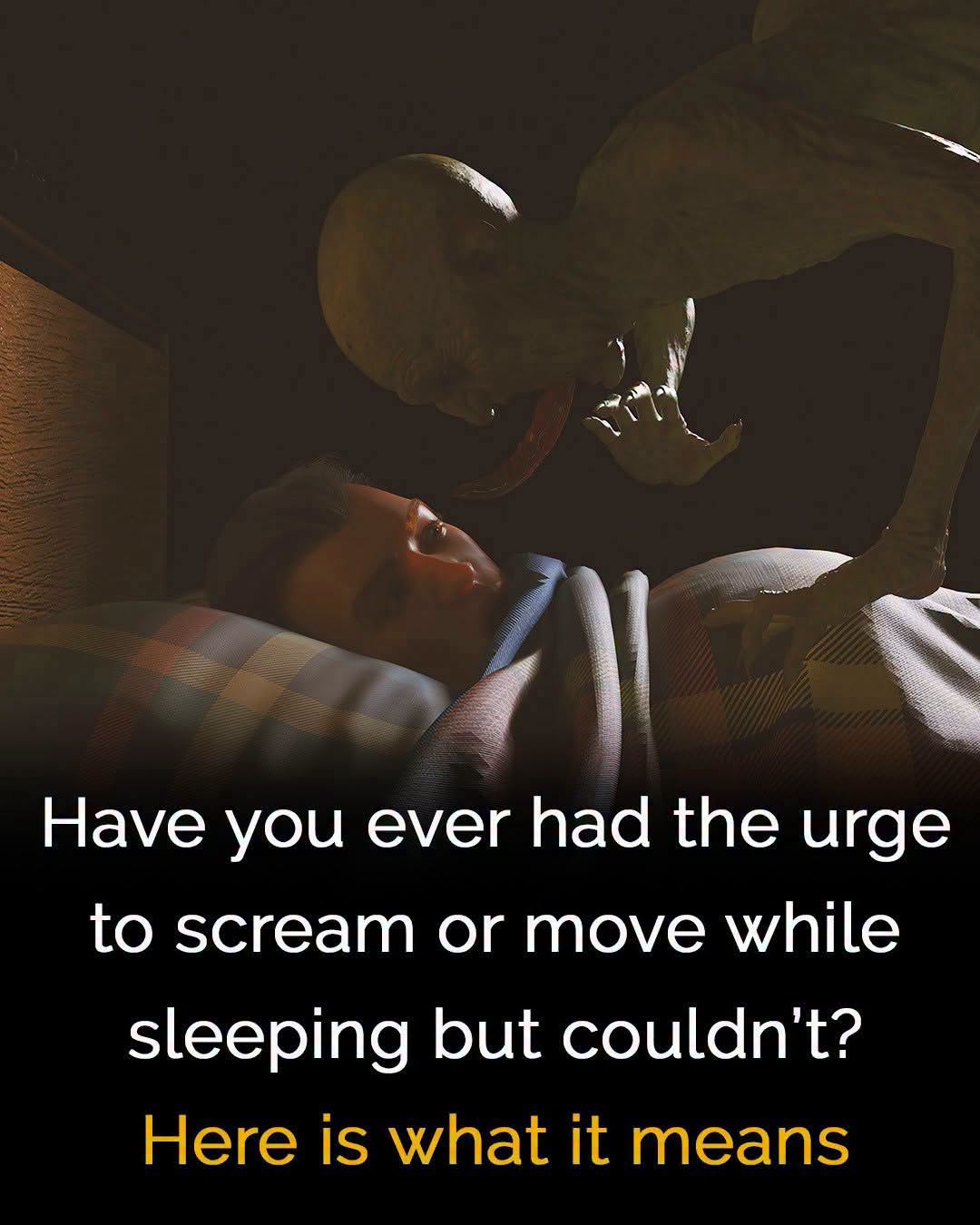
Sleep paralysis affects millions of people worldwide, creating terrifying experiences where individuals wake up unable to move while fully conscious. This phenomenon occurs when the brain transitions improperly between sleep stages, leaving the body temporarily paralyzed as in REM sleep. Many report feeling a heavy pressure on their chest or sensing a dark presence in the room. Understanding this common condition helps reduce fear and provides practical strategies for prevention and management during episodes.
The biological mechanism behind sleep paralysis involves the body’s natural muscle atonia during REM sleep. This protective state prevents people from acting out dreams and potentially harming themselves. When the brain wakes prematurely while this paralysis persists, individuals experience the frightening inability to move or speak. Hallucinations often accompany these episodes as the dreaming mind overlays images onto the waking environment, creating vivid and disturbing sensations.
Common triggers include irregular sleep schedules, stress, anxiety, and sleep deprivation. People working night shifts or experiencing jet lag report higher occurrences. Certain medications and substances like alcohol or caffeine can disrupt normal sleep cycles and increase likelihood of episodes. Underlying conditions such as narcolepsy or sleep apnea also correlate with more frequent experiences of sleep paralysis.
During an episode, focusing on calm breathing helps manage panic effectively. Attempting small movements like wiggling fingers or toes can sometimes break the paralysis. Recognizing the temporary nature of the experience reduces fear intensity significantly. Most episodes last only seconds to minutes before normal movement returns naturally as the brain fully awakens.
Prevention strategies center on establishing healthy sleep hygiene practices. Maintaining consistent bedtimes and wake times regulates the body’s internal clock effectively. Creating cool, dark sleeping environments free from electronic devices promotes better sleep quality. Stress management techniques including meditation or gentle exercise before bed reduce likelihood of disrupted sleep patterns.
Many cultures throughout history interpreted sleep paralysis through supernatural lenses, describing demons or spirits causing the phenomenon. Modern science provides clear neurological explanations that remove much of the mystery and fear. Education about the condition helps sufferers recognize episodes as harmless brain glitches rather than paranormal events or medical emergencies.
While generally benign, frequent episodes warrant consultation with healthcare professionals. Underlying sleep disorders or significant anxiety may require targeted treatment approaches. Cognitive behavioral therapy proves effective for managing associated fear and improving overall sleep quality. Medical evaluation rules out related conditions needing specific interventions.
Sleep paralysis affects people across all demographics though certain risk factors increase susceptibility. Young adults and students often report higher rates due to irregular schedules and stress levels. Improving sleep habits and addressing anxiety provides the most reliable long-term solutions for reducing episode frequency and intensity.
This common experience serves as important reminder about sleep’s crucial role in overall health and well-being. Prioritizing consistent rest patterns benefits both physical and mental health significantly. Understanding sleep paralysis removes unnecessary fear while empowering individuals with knowledge for better management during episodes.
Many people who experience sleep paralysis find comfort in connecting with others through support communities and educational resources. Sharing experiences reduces isolation and provides practical coping strategies. Continued research improves understanding of sleep mechanisms and potential interventions for those affected regularly.
Most Popular!
-
 Eggs, Cholesterol, and Timing: What Actually Matters for Most People
-
When a Partner Leaves With More Than a Suitcase: Protecting Yourself From Financial Betrayal
-
When Financial Support Meets Contempt: Recognizing Exploitation Inside a Marriage
-
Why Some Sensory Toys and Household “Hacks” Do Not Belong in the Microwave
-
When Grief Clouds Judgment: Misreading Silence and the Quiet Ways People Show Care
-
When One Partner Does All the Hosting: Recognizing Imbalance Before Resentment Takes Over
-
How Many Holes Are in a T-Shirt? What a Simple Puzzle Reveals About How We See
-
The Quiet Stories Inside Secondhand Objects: When a Thrift-Store Find Carries Someone Else’s History