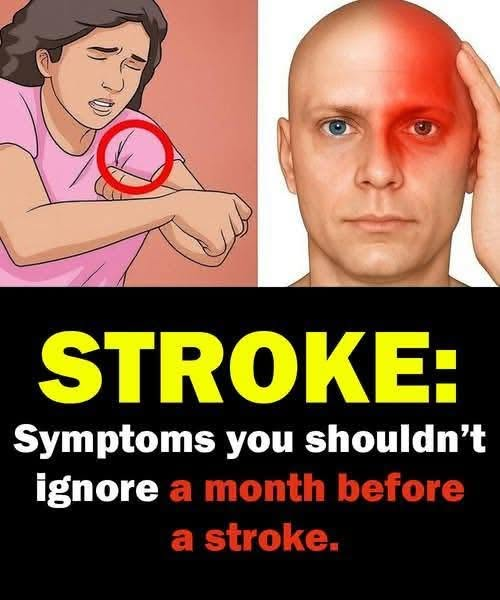
Strokes don’t always announce themselves with dramatic Hollywood-style symptoms. Sometimes they whisper through small, easy-to-dismiss signs that millions of people ignore every single day. I learned this the hard way when my neighbor, a vibrant 58-year-old teacher named Carla, suddenly collapsed in her kitchen. She had mentioned feeling “off” for weeks — a strange fatigue, occasional dizziness, and one arm that felt oddly weak in the mornings. None of us thought much of it until it was almost too late. The doctors later explained that these subtle warnings had been her body’s desperate attempts to signal danger. Recognizing them early can mean the difference between full recovery and lifelong disability — or worse. If you or someone you love has been experiencing any of these five often-overlooked symptoms, it’s time to pay attention. Your life or the life of a loved one could depend on it.
One of the most deceptive early stroke signals is sudden numbness or weakness, especially on one side of the body. It might feel like your arm “fell asleep” for no reason or that your face feels slightly droopy when you smile in the mirror. Many people brush this off as poor sleeping posture or stress, but it can indicate interrupted blood flow to the brain. Carla had noticed her left hand wasn’t gripping her coffee mug as firmly as usual. She attributed it to arthritis. When the full stroke hit, that same arm became almost completely paralyzed. The key is acting fast — even if the symptom comes and goes. Call emergency services immediately if you experience one-sided weakness. Time lost is brain lost, and every minute counts in preventing permanent damage.
Sudden trouble speaking or understanding words is another critical warning that’s frequently missed. You might find yourself struggling to find the right word mid-sentence, slurring slightly, or feeling confused when someone talks to you. It can happen so subtly that you convince yourself it’s just fatigue or a migraine. In reality, this often means the language centers of the brain are being affected. I’ve heard stories of people who thought they were simply tired after a long day, only to realize later they had experienced a transient ischemic attack — a mini-stroke that serves as a serious warning for a larger one coming. Don’t wait to see if it passes. Seek medical help right away. Prompt treatment can prevent a devastating full stroke.
Vision problems that appear suddenly are often overlooked because we blame them on eye strain, allergies, or needing new glasses. But a stroke can cause blurred vision in one eye, double vision, or even temporary loss of sight in part of your visual field. Carla mentioned seeing “floaters” and occasional blurriness in her left eye for days before her stroke. She scheduled an eye appointment for the following month instead of going to urgent care. When the major event happened, she lost peripheral vision in that eye permanently. Any sudden change in vision, especially if accompanied by headache or dizziness, deserves immediate attention. Your eyes and brain are closely connected — don’t assume it’s benign.
Dizziness, loss of balance, or trouble walking can feel like nothing more than inner ear issues or dehydration, especially if you’re tired or have been standing for a while. But when it hits suddenly and severely, it may signal a stroke affecting the balance centers in the brain. People often describe it as the room spinning or feeling like they might fall even when sitting down. If this occurs with any other symptoms — headache, numbness, or confusion — it’s a medical emergency. Carla had brushed off a few episodes of lightheadedness as low blood sugar. Looking back, those were clear warning signs her brain was struggling with blood flow. Quick action could have changed everything.
The final subtle warning that catches many off guard is a sudden, severe headache unlike any they’ve experienced before. Often described as the “worst headache of my life,” it can come with vomiting, neck stiffness, or confusion. While not every bad headache is a stroke, when it’s dramatically different from your normal ones, it’s worth taking seriously. Women in particular may experience this as their primary symptom. Ignoring it because “it’s just a migraine” has led to tragic outcomes for too many people. Better to get checked and be safe than to risk permanent damage or death.
Beyond these five key warnings, it’s important to understand the broader context of stroke risk. High blood pressure, smoking, diabetes, high cholesterol, and atrial fibrillation are major contributors that often work silently in the background. Regular check-ups, healthy lifestyle choices, and knowing your family history can help you stay ahead of trouble. Simple daily habits like staying hydrated, managing stress, eating a balanced diet rich in fruits and vegetables, and getting regular exercise all play protective roles. Knowledge truly is power when it comes to preventing strokes.
For anyone who has experienced any of these symptoms, even briefly, the message is clear: don’t wait. Call emergency services or see your doctor immediately. Fast action with clot-busting medications or other interventions can dramatically improve outcomes. Time is brain — every second counts in preserving function and quality of life. Carla survived her stroke but faces ongoing physical therapy and some permanent limitations. She now shares her story widely, urging others not to make the same mistake of dismissing subtle signs.
If you’re a caregiver or family member, stay alert to changes in your loved ones, especially older adults or those with risk factors. Sometimes people experiencing stroke symptoms don’t recognize them or downplay them out of fear or denial. Your observation and quick action could save a life. Learn the FAST acronym — Face drooping, Arm weakness, Speech difficulty, Time to call emergency services. It’s a simple but powerful tool that has helped countless people get the help they need quickly.
The good news is that many strokes are preventable. Managing blood pressure, quitting smoking, controlling diabetes, and maintaining a healthy weight can significantly reduce your risk. Regular medical check-ups catch problems early, giving you time to make changes before a crisis occurs. Even small improvements in lifestyle can have a big impact over time. The body often sends warning signals long before a major event — learning to listen to them can be life-saving.
This summer, as temperatures rise and dehydration becomes more common, pay extra attention to how you feel. Stay hydrated, avoid excessive heat, and don’t ignore unusual symptoms. Your future self will thank you for taking action early. The teacher who once ignored a strange tingling now advocates for stroke awareness so others don’t have to learn the hard way. Her story reminds us that life can change in an instant, but awareness and quick response can change the outcome dramatically.
The silent killer doesn’t always strike without warning. Sometimes it whispers first. Learning to recognize those whispers — the numbness, the speech changes, the vision issues, the dizziness, the severe headache — could save your life or the life of someone you love. Don’t wait for the full-blown crisis. Listen to your body. Seek help promptly. And remember that prevention through healthy habits is always better than emergency intervention. The 20-year-old teacher who thought she was too young for serious health issues now uses her experience to educate others. Her message is simple but powerful: strange symptoms deserve attention, no matter your age. Your life may depend on it. Stay aware, stay proactive, and give yourself the best possible chance at a long, healthy future. The symptoms are real. The risk is real. But so is your power to respond and protect yourself.
Most Popular!
-
 Valentine’s Dinner Experiment Sheds Light on Why a Seven-Year Relationship Ended
-
Murder Charge Dropped Against Father After Police Error in Case Involving Daughter’s Alleged Assailant
-
Sam Elliott Made a Memorable Appearance at the Actor Awards Alongside Wife Katharine Ross
-
After Returning Home From Work I Found Something Unexpected On My Bedroom Floor
-
Remembering the Beloved Star Who Left a Lasting Impression on Audiences
-
Common Slow Cooker Mistakes That May Affect Food Safety — Are You Serving Parasites for Dinner After All?
-
83-Year-Old Harrison Ford Makes a Surprising Revelation About His Personal Life
-
Why People Leave Coins on Military Headstones and the Meaning Behind the Tradition