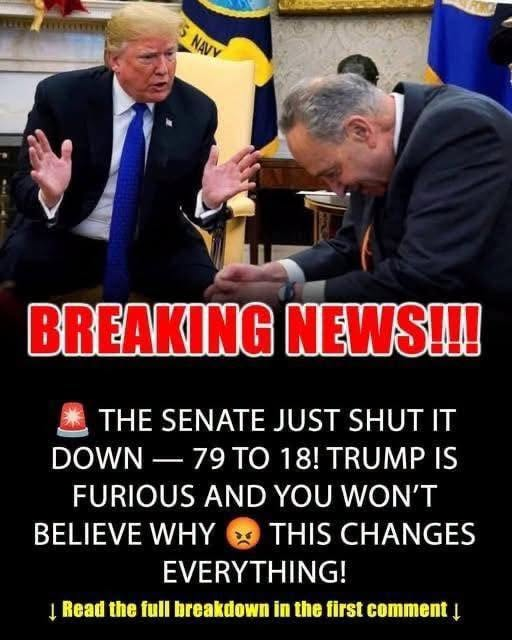
In a move that sent ripples through Washington and beyond, the U.S. Senate delivered a decisive blow to efforts aimed at halting one of the largest weapons packages in recent memory. With a resounding 79-18 vote, lawmakers chose to proceed with a multi-billion-dollar arms agreement, prioritizing strategic alliances over mounting humanitarian concerns. This wasn’t just another procedural tally on Capitol Hill—it represented a pivotal moment in American foreign policy, exposing deep divisions over how the United States balances security interests with ethical responsibilities on the global stage. As debates continue to rage, many are left wondering what this overwhelming support truly signals about the future of U.S. involvement in volatile regions.
The backdrop to this vote involved intense lobbying and passionate floor speeches. Senator Bernie Sanders and a handful of progressive colleagues pushed hard for resolutions of disapproval, arguing that the sale of tanks, munitions, tactical vehicles, and other equipment raised serious red flags under existing U.S. laws. They highlighted reports of restricted humanitarian aid and civilian impacts in ongoing conflicts, insisting that continuing such transfers could cross legal and moral boundaries. Yet, despite these arguments, the vast majority of senators from both parties stood firm, viewing the deal as essential for maintaining stability and supporting a key partner facing persistent threats from multiple fronts.
At its core, this arms package reflects longstanding U.S. commitments in the Middle East. Proponents emphasize that Israel serves as a critical democratic foothold in a region often plagued by instability, terrorism, and adversarial influences. The weapons in question—ranging from precision munitions to armored support systems—are seen as vital for defensive capabilities against groups like Hamas, Hezbollah, and broader Iranian-backed networks. In an era of shifting global power dynamics, with rising competition from China and Russia, supporters argue that weakening this alliance would embolden enemies and undermine America’s credibility as a reliable partner. The vote underscored a belief that strategic deterrence remains the best path to long-term peace, even if it means tough choices in the short term.
Critics, however, paint a different picture. They point to the staggering human toll in areas affected by these conflicts, where civilian casualties have climbed dramatically amid prolonged fighting. Images of destroyed infrastructure and displaced populations have fueled protests and advocacy campaigns across the U.S. and worldwide. Opponents contend that pouring billions into advanced weaponry without stronger safeguards risks complicity in cycles of violence, potentially eroding America’s moral authority on human rights issues. The narrow group of 18 senators who voted to block the deal amplified these voices, forcing a public reckoning that many in the establishment preferred to handle behind closed doors.
Economically, the implications are substantial. A $20 billion deal translates into jobs for American workers in defense manufacturing hubs from California to Connecticut. Companies involved in producing these systems stand to gain significantly, boosting local economies and contributing to technological innovation in military hardware. This aspect resonates strongly with lawmakers mindful of constituent employment, illustrating how foreign policy often intertwines with domestic prosperity. Yet it also invites scrutiny: at what point do financial incentives overshadow ethical considerations? This tension lies at the heart of ongoing discussions about the military-industrial complex and its influence on legislative priorities.
The vote also reveals evolving political fault lines. Bipartisan support for the measure highlights a traditional consensus on Israel policy that has endured across administrations. However, the vocal minority opposing it signals growing generational and ideological shifts, particularly among younger voters and progressive factions demanding greater accountability. Sanders’ push brought these debates into the open, making it harder for politicians to avoid taking a clear stance. In doing so, it may pave the way for future challenges to similar agreements, encouraging more transparency and debate rather than automatic approvals. This could reshape how Congress approaches arms exports in the years ahead.
Beyond the immediate numbers, the decision carries geopolitical weight. In a multipolar world, allies watch closely how the U.S. responds to pressure. Strengthening defenses for partners is viewed by many as a deterrent against aggression, potentially preventing larger conflicts down the line. Comparisons to past aid packages—to Ukraine, Taiwan, or Saudi Arabia—show a consistent pattern: America often doubles down on support when stakes involve countering authoritarian expansion. Critics counter that unchecked arms flows can exacerbate tensions rather than resolve them, calling for diplomatic solutions alongside military assistance.
Public reaction has been mixed and passionate. Supporters celebrate the vote as a stand for strength and reliability, while detractors organize rallies and petition drives urging reevaluation. Social media amplifies both sides, with hashtags trending around foreign aid, human rights, and congressional accountability. This visibility matters because foreign policy ultimately reflects voter priorities—polls suggest many Americans favor strong alliances but also express fatigue with endless overseas entanglements and concerns about civilian suffering. Bridging these views remains a key challenge for leaders.
Looking forward, the approved deal will likely proceed with oversight mechanisms in place, including end-use monitoring to ensure compliance with international standards. Yet questions linger about enforcement effectiveness and adaptability to changing conflict dynamics. Experts suggest that future packages might incorporate more stringent conditions tied to humanitarian access and proportionality. Technological advancements, such as smarter munitions designed to minimize collateral damage, could also play a role in addressing ethical critiques while maintaining strategic edges.
Ultimately, the 79-18 Senate vote encapsulates the complexities of wielding superpower influence. It demonstrates how national security imperatives often prevail in high-stakes decisions, even amid heartfelt opposition. As the weapons make their way to their destination, the conversation sparked by this moment will endure—prompting reflections on America’s role in global affairs, the price of alliances, and the pursuit of peace through strength. Whether this strengthens deterrence or fuels further division depends on how all parties navigate the road ahead. For now, the decision stands as a clear signal: in matters of defense partnerships, continuity and resolve carried the day in the world’s most powerful legislative body.
Most Popular!
-
 Eggs, Cholesterol, and Timing: What Actually Matters for Most People
-
When a Partner Leaves With More Than a Suitcase: Protecting Yourself From Financial Betrayal
-
When Financial Support Meets Contempt: Recognizing Exploitation Inside a Marriage
-
Why Some Sensory Toys and Household “Hacks” Do Not Belong in the Microwave
-
When Grief Clouds Judgment: Misreading Silence and the Quiet Ways People Show Care
-
When One Partner Does All the Hosting: Recognizing Imbalance Before Resentment Takes Over
-
How Many Holes Are in a T-Shirt? What a Simple Puzzle Reveals About How We See
-
The Quiet Stories Inside Secondhand Objects: When a Thrift-Store Find Carries Someone Else’s History