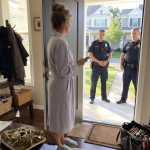
We all think we understand hardship until life drops a stark reminder right in front of us. For many families scraping by in today’s economy, making ends meet feels like a daily tightrope walk. You clip coupons, stretch leftovers, and pray the car doesn’t break down. I was living that reality with my husband and our daughter when a simple act of kindness opened my eyes to a much deeper level of need—and shattered my assumptions about what poverty really looks like in America. This isn’t a story about grand gestures or sudden windfalls. It’s about how one dinner invitation exposed layers of quiet desperation and taught our family the true meaning of abundance through sharing.
It started on an ordinary school night. My daughter came home with her classmate, a quiet girl named Emily who looked smaller than her years. “Mom, can Emily stay for dinner? She’s really hungry.” The words hit me with a mix of warmth and practical worry. Our grocery budget was already planned to the penny, and portions were measured carefully to last the week. Still, turning away a child in need wasn’t an option. I stretched the meal with extra rice and vegetables, watching as Emily ate slowly, savoring every bite as if it might be her last for a while. Her gratitude was palpable, but something in her demeanor suggested this hunger ran deeper than one missed lunch.
As the evening unfolded, conversation flowed lightly at first. Emily shared bits about school but avoided questions about home. My daughter kept glancing at me, a silent signal that more was going on. After the meal, when Emily’s ride arrived in a noisy old vehicle, I pulled my daughter aside. She whispered about her friend skipping meals, wearing the same clothes repeatedly, and seeming exhausted. It tugged at my heart, but I still viewed it through the lens of our own modest struggles—bills that piled up, choices between groceries and utilities. Little did I know how much more there was to uncover.
A few days later, Emily joined us again for a homework session that turned into another shared dinner. This time, as she rummaged through her backpack for school supplies, the bag tipped over. Out spilled notebooks, crayons—and a stack of official-looking envelopes that no child should ever have to carry. Eviction warnings, overdue utility bills, final notices from landlords. My stomach dropped. This young girl wasn’t just occasionally hungry; she was shouldering adult burdens no nine-year-old should face. Her father worked multiple low-paying jobs, but rising costs and unexpected setbacks had pushed their family to the edge. In that moment, my definition of “making it” crumbled. Our family’s careful budgeting suddenly seemed like a privilege compared to the instability these papers represented.
That discovery sparked a shift in our household. Instead of seeing Emily’s situation as separate from ours, we recognized the common threads of vulnerability so many families face today. Inflation, stagnant wages, and housing shortages don’t discriminate—they impact working people across the spectrum. We decided to act in small but meaningful ways. We connected her dad with local resources like food banks and community assistance programs he hadn’t known about. We shared meals more regularly, turning our table into a place of support rather than scarcity. Surprisingly, the more we gave, the less pinched our own resources felt. Stretching meals taught creativity in the kitchen, and the joy of helping lifted our spirits beyond what extra money could buy.
This experience highlighted broader truths about hidden poverty in communities. Too often, we picture it as extreme cases on the news, but it frequently hides in plain sight—kids doing homework by flashlight, parents choosing between medicine and rent, families one emergency away from crisis. Schools see it through attendance and focus issues, while neighbors might notice closed curtains or skipped activities. Breaking the isolation matters. Simple invitations to dinner or offers to help with errands can reveal needs and build networks of mutual aid. No one thrives in shame or silence; connection fosters dignity and practical solutions.
We also learned valuable lessons about redefining wealth. True richness isn’t measured solely by bank balances but by relationships, resilience, and willingness to extend grace. Our modest home became fuller with laughter and stories from Emily’s family. Conversations about budgeting evolved into discussions on advocacy—pushing for better support systems like affordable childcare, job training, and fair housing policies. Small acts compound: donating unused items, volunteering at pantries, or simply listening without judgment. These build stronger communities where vulnerability doesn’t equate to isolation.
Of course, challenges remain. Systemic issues like healthcare costs and education gaps require larger solutions beyond individual efforts. But personal stories like this remind us that change starts locally. Parents, teachers, and neighbors play crucial roles in spotting signs and offering lifelines. For kids like Emily, consistent support can mean better nutrition for learning, stable housing for security, and hope for the future. Watching her gain confidence and energy reinforced how interconnected we all are—lifting one family helps everyone by strengthening the social fabric.
Years later, reflecting on that backpack moment still moves me. It stripped away complacency and replaced it with empathy and action. Our family didn’t become wealthy overnight, but we gained perspective that no financial gain could match. Emily’s dad found steadier footing through combined efforts, and the girls grew up understanding compassion as a daily practice. In a world quick to divide people into haves and have-nots, stories like this bridge gaps and humanize struggles.
If you’ve ever felt the squeeze of limited resources, know you’re not alone—and you still have power to make a difference. Start small: invite a neighbor’s kid for a snack, share garden produce, or research local aid organizations. Redefining poverty means seeing it not as personal failure but as a call for collective kindness. Our table taught us that “enough” expands when shared. In giving space to others, we create room for our own growth and gratitude. What began as feeding one hungry friend blossomed into a profound lesson on humanity’s shared journey through hardship and hope.
Most Popular!
-
 Eggs, Cholesterol, and Timing: What Actually Matters for Most People
-
When a Partner Leaves With More Than a Suitcase: Protecting Yourself From Financial Betrayal
-
When Financial Support Meets Contempt: Recognizing Exploitation Inside a Marriage
-
Why Some Sensory Toys and Household “Hacks” Do Not Belong in the Microwave
-
When Grief Clouds Judgment: Misreading Silence and the Quiet Ways People Show Care
-
When One Partner Does All the Hosting: Recognizing Imbalance Before Resentment Takes Over
-
How Many Holes Are in a T-Shirt? What a Simple Puzzle Reveals About How We See
-
The Quiet Stories Inside Secondhand Objects: When a Thrift-Store Find Carries Someone Else’s History