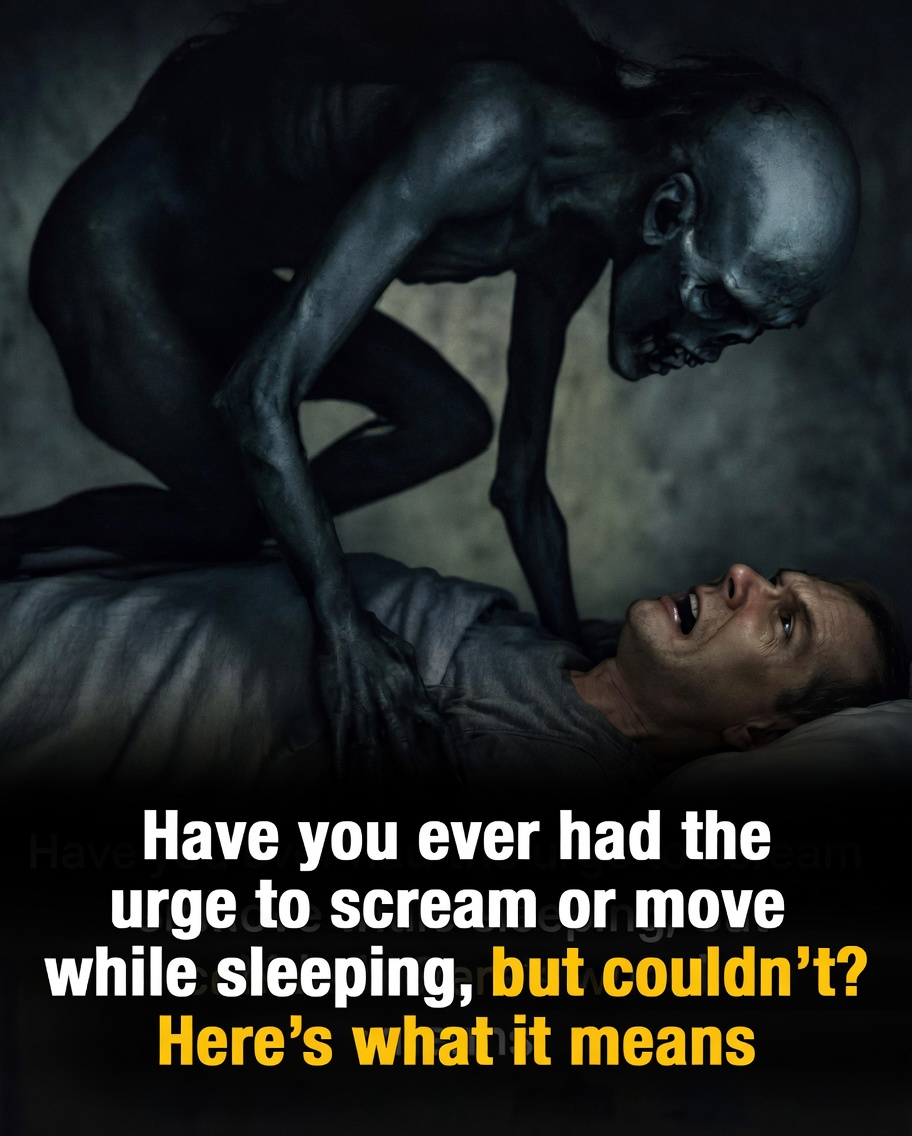
I woke up in the middle of the night unable to move. My eyes were open, staring at the familiar ceiling of my bedroom, but my body felt like it had been turned to stone. A crushing weight pressed down on my chest, making every breath a struggle. In the corner of the room, a dark figure stood watching me — silent, motionless, and filled with malevolent intent. I tried to scream, but no sound came out. My mind was wide awake, trapped inside a body that refused to respond. This wasn’t a dream. This was sleep paralysis, and for the next several terrifying minutes, it felt like pure hell.
This phenomenon, often called the “nightmare trap,” affects millions of people worldwide. It happens when your brain wakes up during the REM stage of sleep — the phase where vivid dreaming occurs — but your body remains temporarily paralyzed. This natural paralysis mechanism prevents us from acting out our dreams and potentially hurting ourselves. But sometimes the lines blur, and you wake up mentally alert while your body is still locked in that protective state. The result is one of the most frightening experiences a person can have while fully conscious.
What makes sleep paralysis so terrifying is the combination of physical immobility and intense hallucinations. Many people report seeing shadowy figures, demons, or intruders in their room. Others feel like they’re being choked, levitated, or watched by something evil. The brain, still partially in dream mode, fills the silence with its worst fears. Because you can’t move or speak, there’s no way to ground yourself in reality. You’re trapped between two worlds — awake enough to know what’s happening, but unable to escape the nightmare your mind is creating.
Scientists believe this happens because the brain stem, which controls REM sleep and muscle paralysis, doesn’t switch off properly. Factors like stress, irregular sleep schedules, sleeping on your back, and certain medications can increase the likelihood. People with anxiety, PTSD, or narcolepsy are especially prone to these episodes. For some, it happens once in a lifetime. For others, it becomes a recurring nightmare that leaves them terrified to go to sleep.
I experienced my first episode during a particularly stressful period at work. The figure I saw wasn’t just scary — it felt personal, like it knew my deepest fears. When I finally broke free after what felt like hours (though it was only a couple of minutes), I was drenched in sweat and shaking. The worst part was the lingering dread that stayed with me for days. I started avoiding sleep, which only made the episodes more frequent. It became a vicious cycle until I learned how to manage it.
Understanding the science behind sleep paralysis can help reduce the terror. It’s not supernatural. It’s your brain misfiring during the transition between sleep stages. The hallucinations are essentially dream elements bleeding into wakefulness. Knowing this doesn’t make the experience less frightening in the moment, but it helps afterward when you’re trying to calm down and process what happened.
There are practical ways to reduce the frequency of these episodes. Maintaining a consistent sleep schedule, avoiding heavy meals and screens before bed, and managing stress through exercise or meditation can make a big difference. Sleeping on your side rather than your back also lowers the risk. Some people find relief through cognitive behavioral therapy specifically designed for sleep disorders.
For those who experience sleep paralysis regularly, the emotional toll can be significant. The fear of going to sleep can lead to insomnia, anxiety, and even depression. Many sufferers feel isolated because explaining the experience to others often sounds like a ghost story. Finding a supportive community or working with a sleep specialist can help break that isolation and provide tools for coping.
The good news is that sleep paralysis is rarely dangerous on its own. It’s uncomfortable, terrifying, and exhausting, but it doesn’t cause physical harm. Most people grow out of frequent episodes as they age or improve their sleep habits. Understanding that it’s a neurological glitch rather than something supernatural can take some of the power away from the fear.
If you’ve ever experienced this nightmare trap, know that you’re not alone and you’re not losing your mind. It’s a strange but well-documented phenomenon that affects people across cultures and backgrounds. The shadowy figures, the sense of evil presence, the inability to move — these are all common features that millions have experienced. Sharing your story and learning coping strategies can make the episodes less frequent and less terrifying when they do occur.
Sleep is supposed to be restorative, not terrifying. If the nightmare trap has become a regular visitor in your life, take steps to show it the door. Better sleep hygiene, stress management, and professional support when needed can help you reclaim peaceful nights. Your brain doesn’t have to trap you in terror while you’re awake. With the right approach, you can break free and finally rest easy again.
The next time you wake up unable to move, remember that it will pass. The figure in the corner isn’t real. The weight on your chest will lift. And in the morning, you’ll still be here — safe, alive, and one step closer to understanding the mysterious ways your brain protects and sometimes challenges you during the night.
Most Popular!
-
 How Many Holes Are in a T-Shirt? What a Simple Puzzle Reveals About How We See
-
The Quiet Stories Inside Secondhand Objects: When a Thrift-Store Find Carries Someone Else’s History
-
Bra Care Basics: Hygiene, Longevity, and Why Rotation Matters More Than You Think
-
Green Onions and Food Safety: What the Risks Actually Are and How to Handle Them Sensibly
-
When Family Hospitality Becomes a One-Way Street: Setting Boundaries with In-Laws Without Destroying the Relationship
-
When Strength Becomes Silence: Hidden Grief and the Distance It Creates in a Marriage
-
The One-Ring Phone Scam: Why a Single Missed Call Can Be Expensive—and How to Protect Yourself
-
When Money and Loyalty Collapse Together: Navigating Financial Betrayal in a Marriage