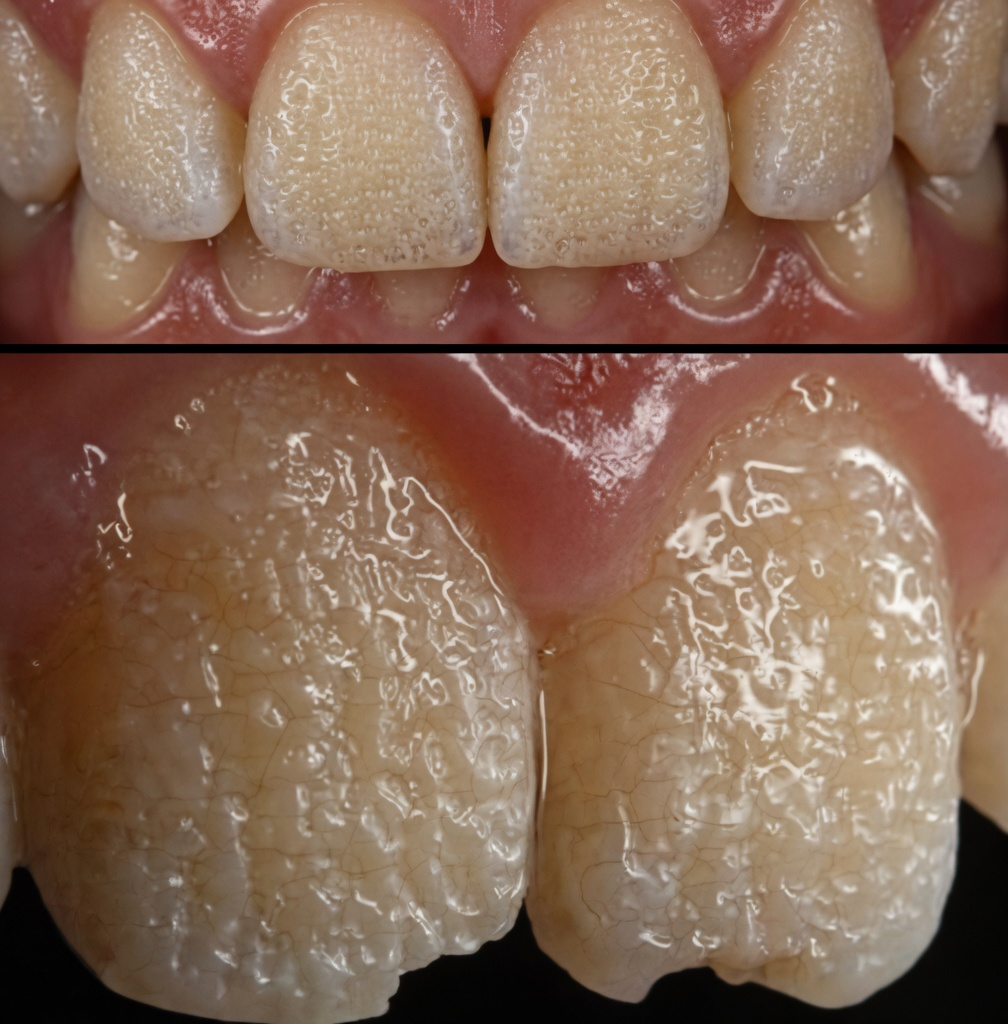
We all want a bright, confident smile that lights up a room. Most of us follow the same advice we’ve heard since childhood: brush twice a day, floss regularly, cut back on sugar, and visit the dentist every six months. Yet thousands of people still wake up to yellowed, sensitive, or crumbling teeth no matter how diligently they care for them. The coffee and tea get blamed. Aggressive brushing gets blamed. But sometimes the real culprit is something far more hidden — a genetic condition that started long before your first toothbrush ever touched your gums.
This often-overlooked threat is called Amelogenesis Imperfecta, or AI. It’s not caused by poor habits or bad luck. It’s written into your DNA. The condition affects the way your body forms tooth enamel — the hardest substance in the human body and your teeth’s primary line of defense. When that genetic blueprint goes wrong, the protective outer layer comes out too thin, too soft, or too poorly mineralized. The result can feel like your teeth are betraying you despite your best efforts.
Enamel is supposed to act like an impenetrable shield. It protects the sensitive dentin and nerve inside each tooth from heat, cold, sweetness, and the daily wear of chewing. In people with AI, that shield is compromised from the moment the teeth erupt. Some forms leave the enamel paper-thin. Others make it thick but chalky and weak, so it chips away easily. The most severe types produce enamel so soft it almost dissolves under normal use. This exposes the inner layers, leading to intense temperature sensitivity that turns simple pleasures like ice cream or hot coffee into painful experiences.
What makes this condition especially frustrating is how easily it gets misdiagnosed. Many dentists, focused on cavities, gum disease, and plaque, might not immediately connect the dots to a genetic issue. Patients often spend years trying whitening strips, special toothpastes, and more frequent cleanings with little success. Some even feel embarrassed, assuming they’re doing something wrong when the problem actually began in early childhood development.
The emotional toll runs deep. A compromised smile affects everything from job interviews to first dates and family photos. Children and teens with visible AI often face teasing or self-consciousness that lingers into adulthood. Adults may smile less, cover their mouths when laughing, or avoid social situations altogether. The constant sensitivity can also lead to dietary changes — avoiding crunchy, hot, or cold foods — which affects nutrition and overall enjoyment of life.
There are several recognized types of Amelogenesis Imperfecta, and each presents its own challenges. In the hypoplastic form, enamel forms but is too thin to offer proper coverage. Hypomaturation leaves normal-thickness enamel that is still too soft and prone to wear. Hypocalcified enamel is the most severe, appearing normal at first but quickly breaking down into a crumbly mess. Because it’s genetic, the condition often runs in families. If your parents, siblings, or grandparents had unusually weak or discolored teeth, that family history could be the missing puzzle piece.
The good news is that modern dentistry has powerful tools to fight back. Early diagnosis through detailed X-rays, clinical examination, and sometimes genetic testing can catch the issue before major damage occurs. Once identified, treatment shifts from basic maintenance to protective restoration. Full-coverage crowns are often the gold standard because they encase the entire tooth, providing the strong synthetic shield that nature didn’t deliver.
Advanced bonding techniques and high-quality veneers can dramatically improve both appearance and function. These aren’t purely cosmetic fixes — they seal off exposed dentin, dramatically reduce sensitivity, and restore normal chewing ability. Professional fluoride applications and specialized desensitizing agents help bridge the gap while more permanent solutions are planned. Many patients report life-changing relief after proper treatment, finally able to enjoy hot and cold foods again without wincing.
Lifestyle adjustments also play an important supporting role. Using a soft-bristled toothbrush, avoiding highly acidic foods and drinks that can further erode weak enamel, and staying consistent with prescribed products all help protect what remains. Some people benefit from custom night guards if grinding adds extra stress to already fragile teeth.
Looking ahead, dental science continues to evolve. Researchers are exploring genetic therapies and improved biomaterials that could one day address the root cause more directly. In the meantime, awareness is the most powerful tool we have. If you’ve struggled with persistent sensitivity, rapid wear, unusual discoloration, or teeth that seem smaller or pitted despite excellent hygiene, it’s worth bringing up the possibility of Amelogenesis Imperfecta with your dentist. Don’t accept “you’re just sensitive” as the final answer.
Parents should pay special attention to their children’s first teeth. Early signs can appear as soon as baby teeth come in, giving families time to plan ahead and prevent years of unnecessary discomfort. Schools and pediatricians can also play a role in spotting potential issues during routine check-ups.
Living with this condition doesn’t have to mean living with constant frustration. With the right knowledge and modern dental care, people with AI can enjoy strong, beautiful smiles that boost confidence and quality of life. The hidden genetic danger may have been present from the start, but it doesn’t have to define the rest of your story.
If something in your own dental experience feels off despite doing “everything right,” trust that instinct. Schedule a thorough consultation with a dentist experienced in genetic enamel disorders. Ask questions, request detailed imaging, and explore all your options. Your smile is worth fighting for, and today’s solutions are more effective than ever before.
The battle for a healthy, radiant smile isn’t always about willpower or perfect habits. Sometimes it’s about understanding the unique blueprint your body was given and working with modern dentistry to create the protection you deserve. No one should have to hide their smile or endure daily pain that can be addressed. With growing awareness and better treatments, more people are finally getting the relief and confidence they’ve been searching for — often after years of silent struggle. Your teeth may have started with a genetic disadvantage, but they don’t have to stay that way.
Most Popular!
-
 The Ultimate Wedding Revenge: When the Mother Who Abandoned Her Six Daughters Showed Up with Her Millionaire Boss, the Bride Opened a Box That Destroyed Lives Forever
-
The Beach Shaming Disaster: What My 8-Year-Old Said to the Prying Stranger Left Everyone Speechless
-
My Husband Abandoned Me With Twin Babies for a Luxury Fishing Trip — When He Returned, I Had Already Packed His Bags
-
The Three-Dollar Miracle: How a Dust-Covered Vase Revealed a Heartbreaking Decades-Old Secret
-
The $80,000 Battle to Erase a Birthmark: Why One Mother Risked Everything for Her Daughter’s Future
-
The Silent Thief: Why Millions of Men Are Living with a Time Bomb They Can’t See
-
The Final Curtain Falls: Beloved Sanford and Son Legend Hal Williams Gone at 91
-
Found at a Yard Sale: This “Useless” Vintage Contraption Is Actually a Forgotten Piece of Human History