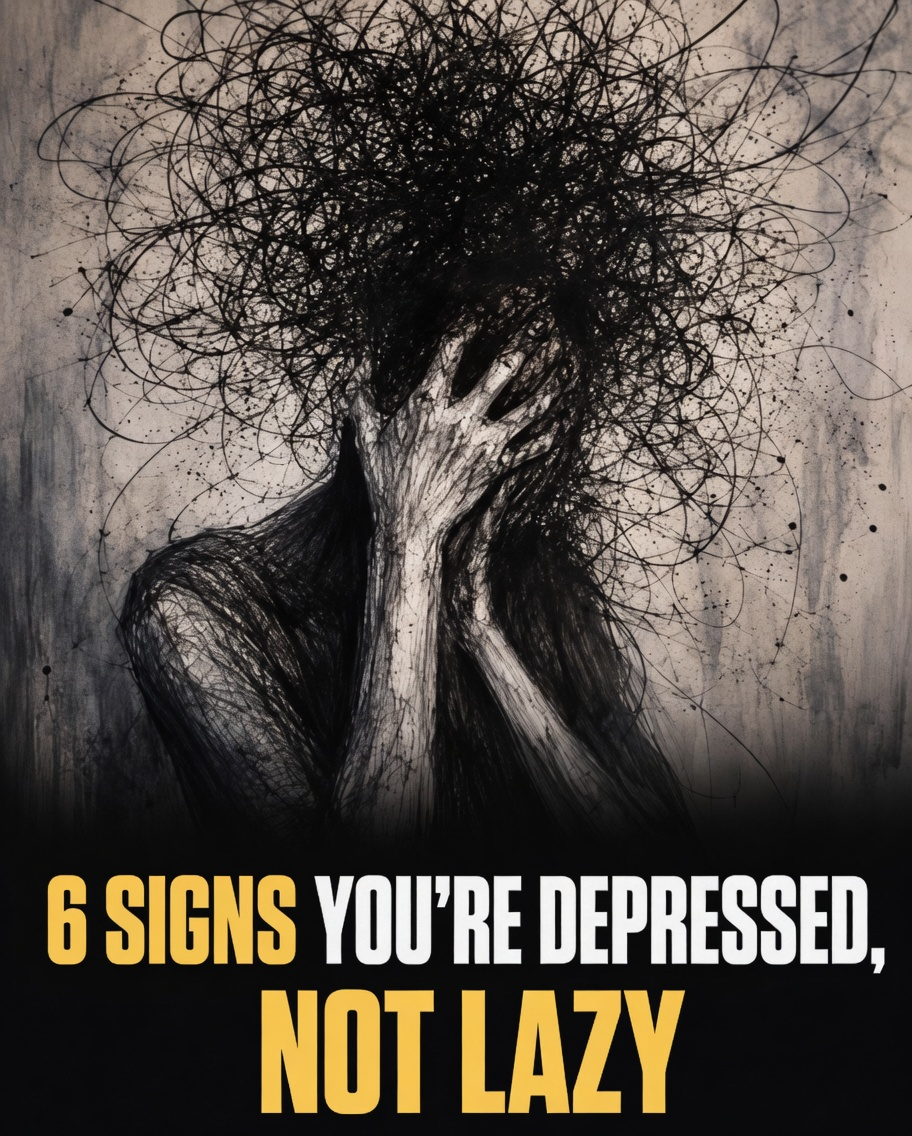
We live in a world that worships hustle. Scroll through any social media feed and you’ll see endless posts about waking up at 5 a.m., crushing goals, and pushing through exhaustion like it’s a badge of honor. So when someone struggles to get out of bed, lets chores pile up, or suddenly drops their hobbies and social plans, the default label is almost always the same: lazy. But what if that judgment is missing something much deeper and more dangerous? What if the “laziness” you see in yourself or someone you love is actually your brain waving a red flag, begging for attention before things get worse?
This hidden struggle goes far beyond a simple lack of willpower. It’s often the early, quiet stages of depression quietly dismantling a person’s ability to function. Unlike true laziness — which usually involves choosing comfort and feeling relaxed about it — depression acts like a silent thief. It steals your energy, your drive, and your joy without asking permission, leaving behind a heavy fog that makes even the smallest tasks feel impossible. The worst part? Most people don’t recognize it until the damage has already spread.
One of the clearest warning signs is something experts call task paralysis. You know you need to reply to that important email, do the laundry, or even take a shower, but your brain simply won’t start the engine. It’s not procrastination driven by boredom. It feels like there’s an invisible wall between intention and action. For people experiencing this, getting started requires mental energy they simply don’t have. Every small chore becomes overwhelming, and the growing pile of unfinished tasks only deepens the shame and exhaustion. Outsiders see irresponsibility. The person inside sees an exhausting, daily battle they’re losing.
This isn’t limited to obvious sadness either. Many people walk around with what’s known as smiling depression — they show up to work, crack jokes with friends, and keep up appearances, while inside they feel completely numb. The activities that once sparked excitement now feel pointless or exhausting. That favorite hobby, weekend plans with friends, or even scrolling through funny videos suddenly brings zero pleasure. The brain’s reward system has gone offline, and no amount of “just push through it” advice can flip the switch back on. This emotional flatness is one of depression’s most deceptive tricks because it hides in plain sight.
Physical fatigue that no amount of sleep seems to fix is another major red flag. A truly lazy person usually feels refreshed after resting. Someone battling depression wakes up feeling like they’ve run a marathon in their sleep. Their body feels heavy, their thoughts move through thick mental fog, and even simple decisions like what to eat can feel overwhelming. This exhaustion comes from a nervous system working overtime to manage internal distress, not from lack of discipline. The brain is burning through resources just to keep basic functions running, leaving nothing left for motivation or productivity.
The danger of mistaking these symptoms for laziness is enormous. When people label themselves or others as lazy, the natural response is criticism and shame. That shame becomes fuel for the depression, creating a vicious cycle that’s incredibly hard to break. Instead of seeking help, people push harder, beat themselves up more, and sink deeper. Recognizing the difference between a temporary lack of motivation and a genuine mental health issue can literally be life-saving. Depression is a medical condition rooted in brain chemistry, stress, genetics, and life circumstances — not a character flaw.
Isolation often creeps in as the brain tries to protect its limited energy. Messages go unanswered. Plans get canceled. Social media goes silent. From the outside it looks like someone is being flaky or antisocial. In reality, they’re in survival mode, withdrawing to avoid becoming completely overwhelmed. The world feels too loud, too demanding, and too draining. This disconnection isn’t chosen out of indifference — it’s a desperate attempt to conserve what little emotional resources remain.
The good news is that understanding this silent thief opens the door to real compassion and effective help. Instead of forcing yourself to “try harder,” you can start treating the actual problem. Therapy, medication when appropriate, lifestyle adjustments, and strong support systems can gradually rebuild the bridge between thought and action. Small, gentle steps — like getting outside for ten minutes, talking to one trusted person, or practicing basic self-care — become starting points rather than overwhelming mountains.
Self-compassion is the most powerful first step. Speak to yourself the way you would speak to a friend who’s struggling. Acknowledge that your brain is working hard under difficult conditions, not failing you out of spite. This shift from shame to understanding can break the cycle and create space for genuine healing. Many people who once believed they were hopelessly lazy have gone on to thrive once they addressed the underlying depression.
If you recognize yourself in these descriptions — persistent fatigue, task paralysis, loss of joy, emotional numbness, or withdrawal that feels beyond your control — know that you’re not broken or weak. Your brain is signaling that it needs care, not criticism. Reaching out for professional support isn’t giving up; it’s the smartest, bravest move you can make. Help is available, and recovery is absolutely possible. Many people emerge from these dark periods with greater self-awareness, stronger boundaries, and a deeper appreciation for their own resilience.
The next time you catch yourself or someone else using the word “lazy,” pause and ask a gentler question instead. Is this a choice, or is this a cry for help? That small shift in perspective could change everything. In a productivity-obsessed culture, learning to listen to our brains instead of shaming them might be one of the most revolutionary acts of self-care we can practice. Your worth isn’t measured by how much you accomplish on any given day. Sometimes the most productive thing you can do is rest, seek support, and give your mind the kindness it desperately needs.
Understanding this silent thief doesn’t just help individuals — it creates more compassionate communities, workplaces, and families. When we stop judging and start listening, we make room for real healing. The struggle you’re facing might not be laziness at all. It might be your brain asking you, in the only way it knows how, to slow down and take care of what truly matters — your mental health and your future self. Listen closely. The message could save your life and open the door to a brighter, more energized chapter than you ever thought possible.
Most Popular!
-
 The Ultimate Wedding Revenge: When the Mother Who Abandoned Her Six Daughters Showed Up with Her Millionaire Boss, the Bride Opened a Box That Destroyed Lives Forever
-
The Beach Shaming Disaster: What My 8-Year-Old Said to the Prying Stranger Left Everyone Speechless
-
My Husband Abandoned Me With Twin Babies for a Luxury Fishing Trip — When He Returned, I Had Already Packed His Bags
-
The Three-Dollar Miracle: How a Dust-Covered Vase Revealed a Heartbreaking Decades-Old Secret
-
The $80,000 Battle to Erase a Birthmark: Why One Mother Risked Everything for Her Daughter’s Future
-
The Silent Thief: Why Millions of Men Are Living with a Time Bomb They Can’t See
-
The Final Curtain Falls: Beloved Sanford and Son Legend Hal Williams Gone at 91
-
Found at a Yard Sale: This “Useless” Vintage Contraption Is Actually a Forgotten Piece of Human History