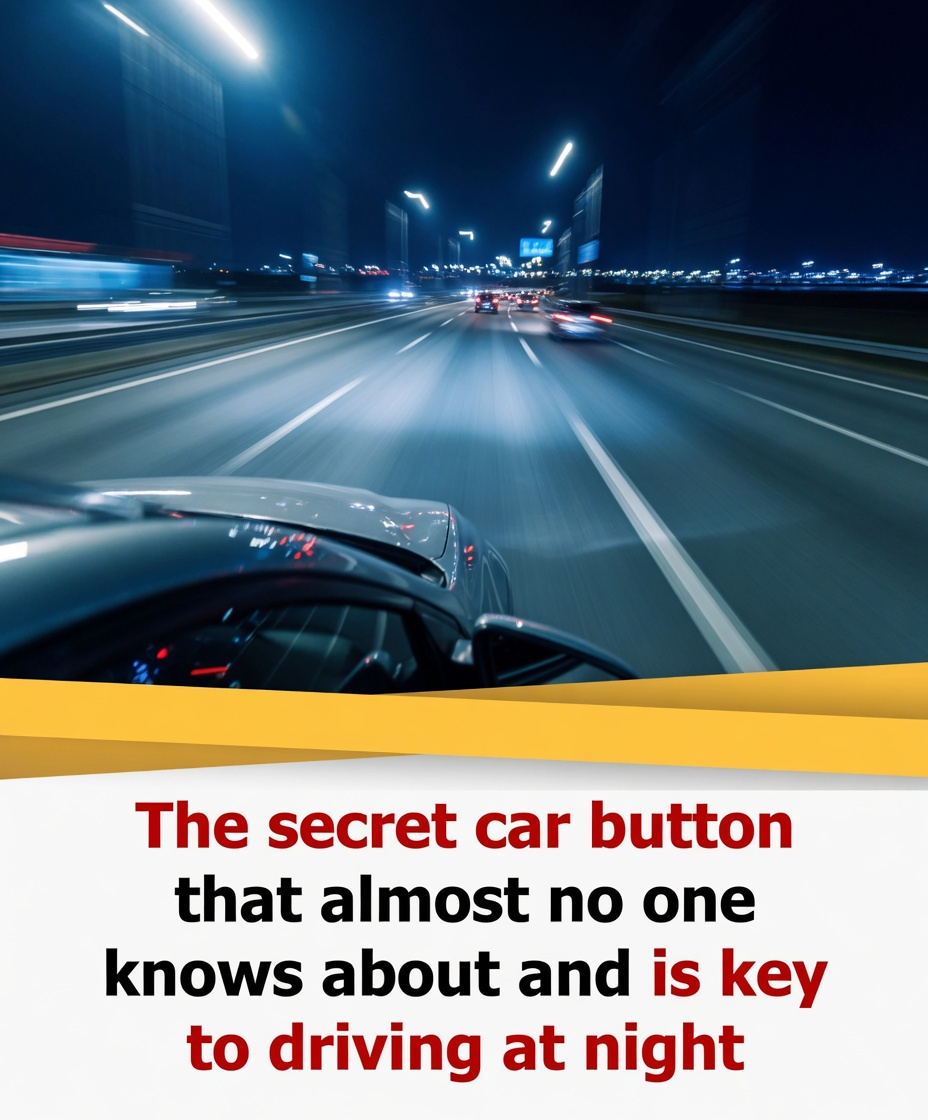
You’re driving at night on a dark highway. Headlights from the car behind you flood your rearview mirror with blinding glare. Your eyes sting. The road ahead becomes harder to see. You squint, adjust your position, maybe even flip the sun visor down in frustration. But there’s a simple solution hiding in plain sight on almost every vehicle — a small tab or lever on the rearview mirror that instantly cuts the glare and restores clear vision. Shockingly, millions of drivers have never used it or don’t even know it exists.
This little-known feature has been standard on cars for decades, yet it remains one of the most underused safety tools on the road. Understanding how it works, when to use it, and why it makes such a big difference could dramatically improve your night driving experience and safety.
How the Rearview Mirror Tab Actually Works
Modern rearview mirrors use a clever piece of engineering called a “prismatic” or “wedge” mirror. The glass is slightly thicker at the top than at the bottom, creating a wedge shape. A reflective coating sits on the back surface.
- Day position (tab pushed back or up): Light bounces off the highly reflective back surface, giving you a bright, clear view.
- Night position (tab flipped forward or down): The mirror tilts slightly so most of the bright light from headlights reflects away from your eyes. Instead, you see a much dimmer reflection from the front surface of the glass (which only reflects about 4% of light).
The change is mechanical and instant — no batteries, no electronics, just smart physics. When you flip the tab, the blinding glare drops dramatically while still letting you see the cars behind you. The view looks a bit darker and objects may appear slightly farther away, but your overall vision of the road ahead improves because your eyes aren’t fighting constant bright light.
Why So Many Drivers Miss This Feature
There are a few common reasons people overlook the tab:
- Newer cars with auto-dimming mirrors hide the manual tab or make it less obvious.
- Many drivers were never taught how to use it during driver’s education.
- The tab is small and blends into the mirror housing, especially in dim lighting.
- People assume modern headlights are just unavoidably bright and adapt by looking away or adjusting their seat instead of using the built-in solution.
The result? Unnecessary eye strain, reduced night vision, slower reaction times, and increased fatigue on long drives.
When and How to Use the Night Tab Correctly
The general rule is simple: flip the tab to night mode whenever headlights behind you cause glare that affects your vision. Here’s a practical guide:
- Flip it forward/down when bright lights appear in your mirror.
- Flip it back/up during the day or when there’s no glare.
- Test the difference on a quiet road with another car behind you to feel how dramatically it changes visibility.
- Combine it with proper mirror adjustment — your rearview mirror should show the back window, not your own head.
Pro tip: If your car has an auto-dimming mirror (it darkens electronically), the manual tab still works as a backup or override when needed.
Additional Night Driving Tips That Pair Perfectly With the Tab
Using the rearview mirror tab is even more effective when combined with these habits:
- Keep your windshield and mirrors clean — dirt and smudges scatter light and worsen glare.
- Adjust side mirrors to reduce blind spots so you rely less on the rearview mirror.
- Dim your dashboard lights slightly at night to preserve your night vision.
- Avoid looking directly at bright headlights — use the tab and glance at the side of the road instead.
- Take breaks on long drives to combat fatigue, which makes glare feel worse.
The Safety Impact Is Real
Night driving already carries higher risks due to reduced visibility, fatigue, and impaired reaction times. Glare from headlights is a documented contributor to accidents. By quickly flipping that small tab, you reduce eye strain, maintain better overall vision, and stay more alert. It’s one of the simplest safety upgrades you can make with zero cost.
Newer vehicles with cameras and digital rearview mirrors are changing the game, but the classic manual tab remains relevant in millions of cars on the road today. Learning to use it is a small skill that pays off every single time you drive after dark.
Teach the Next Generation
One of the best things you can do is show new drivers this feature during practice sessions. Many teens learn to drive without ever being taught about the night tab. Taking a moment to demonstrate it can help them develop safer night driving habits from the start.
The next time you’re behind the wheel after sunset and those bright headlights fill your mirror, reach up and flip that little tab. You’ll immediately notice the difference — and wonder why you didn’t start using it sooner.
Safe driving isn’t just about big, dramatic actions. Sometimes it’s as simple as knowing how to use the tools already built into your car. That tiny rearview mirror tab is one of the easiest ways to make night driving more comfortable and safer for everyone on the road.
Have you been using your rearview mirror night tab, or did this article introduce you to it? Share your experience in the comments below — and don’t forget to pass this tip along to friends and family members who drive at night.
Most Popular!
-
 Why Eating a Handful of Nuts Every Day Could Be One of the Best Things You Do for Your Brain
-
6 Simple Daily Habits That Make Older Women Look Radiantly Beautiful (No Expensive Creams Required)
-
8 Sneaky Hives Triggers Hiding in Plain Sight – And How to Finally Stop the Itch for Good
-
Why You Should Pee in the Shower: The Surprising Health, Money, and Planet-Saving Benefits Most People Ignore
-
What the Handshake Symbol on a Parking Space Really Means – And How Community Exchange Zones Are Making In-Person Transactions Safer
-
Spencer Pratt Destroys Karen Bass on Live TV: “You Burned My House Down” – The Explosive Moment That Left Everyone Speechless
-
Popular Boy Ruined My Prom Night Over My Weight — But My Gym Trainer Exposed His Dark Secret and Ended His Entire Future
-
My Dad Claimed Mom Crashed in the Rain — But a Nurse Showed Me Hospital Security Footage That Exposed His Darkest Secret