It started with a simple thud against the front door one quiet morning. When I opened it, there was no one there — just a sturdy paper bag sitting on the welcome mat. It was heavier than expected and filled to the top with what looked like fresh vegetables and herbs. There was no note, no explanation, just the faint smell of earth and something green and alive. At first, I felt a mix of curiosity and slight hesitation. Who leaves food on someone’s doorstep without saying anything?
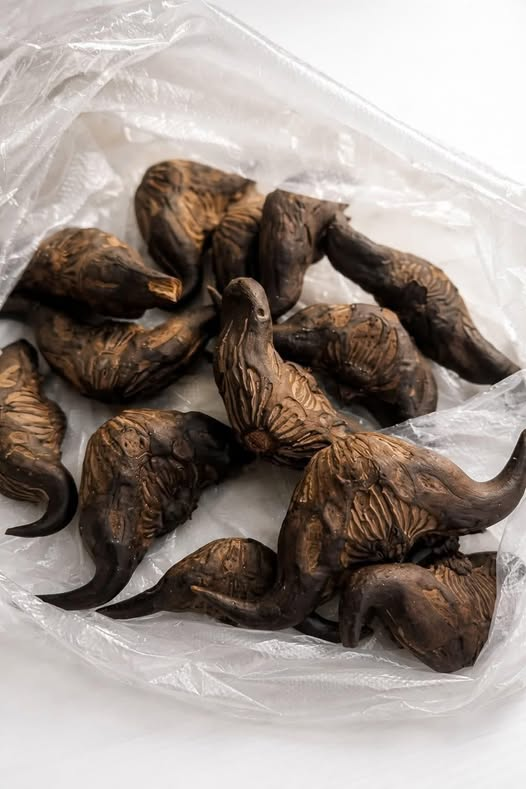
I brought the bag inside and began unpacking it on the kitchen counter. There were oversized zucchinis, a tangle of green beans, a few oddly shaped cucumbers, and bunches of herbs I couldn’t immediately name. Mixed in were some vegetables I didn’t recognize at all — dark leafy greens with thick stems and a few small, round fruits that looked almost like tiny plums but tasted completely different when I tried a cautious bite. It felt like someone had cleaned out their garden and decided my doorstep was the right place for the overflow.
My first instinct was to figure out what everything was and whether it was even safe to eat. I washed each item carefully and started tasting small pieces raw. Some were crisp and mildly sweet. Others had a pleasant earthiness, while a few were surprisingly bitter or spicy. It turned into an unexpected kitchen experiment. I roasted some with olive oil and salt, sautéed others with garlic and onions, and added the unfamiliar greens to a simple broth. What began as mystery food slowly became dinner — and a surprisingly enjoyable one.
As the days passed, I kept thinking about who might have left the bag. I asked a couple of neighbors, but no one claimed responsibility right away. Eventually, an older woman a few houses down mentioned that her garden had been producing more than her family could eat. She had started leaving bags on doorsteps of people she thought might enjoy fresh vegetables. She didn’t want thanks or attention — she just hated seeing good food go to waste.
That simple explanation changed how I looked at the whole experience. What had felt like a strange, slightly suspicious delivery turned into something much warmer. Someone had noticed abundance in their own yard and chosen to share it quietly. In a world where most interactions feel rushed or digital, this small, old-fashioned gesture stood out. It reminded me how easy it is to feel disconnected from the people who live closest to us.
I started paying more attention to my own small garden after that. When my tomato plants went wild a few weeks later, I found myself doing the same thing — washing extra produce and leaving a bag or two on nearby doorsteps with no note attached. It felt good to continue the chain without needing recognition. The act itself was satisfying enough.
What surprised me most was how much the mystery bag affected my daily routine. I found myself cooking more creatively and trying vegetables I would normally walk past at the store. I researched simple preservation methods too — pickling some of the stronger greens and freezing others so nothing would go to waste. That one unexpected delivery turned into weeks of better meals and a new appreciation for seasonal, local food.
It also made me think about how small acts of generosity can ripple outward. The woman who left the bag probably had no idea it would lead me to experiment in the kitchen or start sharing my own extras. She was simply being practical and kind. Yet that single decision created connection in a neighborhood where most people barely know each other’s names.
These kinds of quiet exchanges used to be more common. Before everything became so convenient and packaged, neighbors often traded garden overflow or extra baked goods without making a big deal about it. There’s something grounding about receiving food that was grown nearby by someone who simply had too much. It feels personal in a way that grocery store produce never does.
I still don’t know exactly what was in that first bag — some of the vegetables remained a pleasant mystery even after I cooked them. But I no longer needed to know everything. The real gift wasn’t the specific items. It was the reminder that generosity can be simple, anonymous, and surprisingly powerful.
Now whenever I see extra produce in my own garden or at the farmers’ market, I think about that morning. Sometimes I leave a bag on a neighbor’s doorstep. Other times I just cook something new and enjoy the connection to the land and the season. Either way, that mysterious delivery changed something small but meaningful in how I move through my neighborhood.
In the end, the strangest part wasn’t finding food on my doorstep. It was realizing how much warmth and curiosity could come from something so ordinary. One quiet act of sharing turned an unknown neighbor into someone I now wave to with genuine appreciation. And it all started with a bag that appeared out of nowhere and asked nothing in return except that I pay attention to what was inside.
Most Popular!
-
 Eggs, Cholesterol, and Timing: What Actually Matters for Most People
-
When a Partner Leaves With More Than a Suitcase: Protecting Yourself From Financial Betrayal
-
When Financial Support Meets Contempt: Recognizing Exploitation Inside a Marriage
-
Why Some Sensory Toys and Household “Hacks” Do Not Belong in the Microwave
-
When Grief Clouds Judgment: Misreading Silence and the Quiet Ways People Show Care
-
When One Partner Does All the Hosting: Recognizing Imbalance Before Resentment Takes Over
-
How Many Holes Are in a T-Shirt? What a Simple Puzzle Reveals About How We See
-
The Quiet Stories Inside Secondhand Objects: When a Thrift-Store Find Carries Someone Else’s History