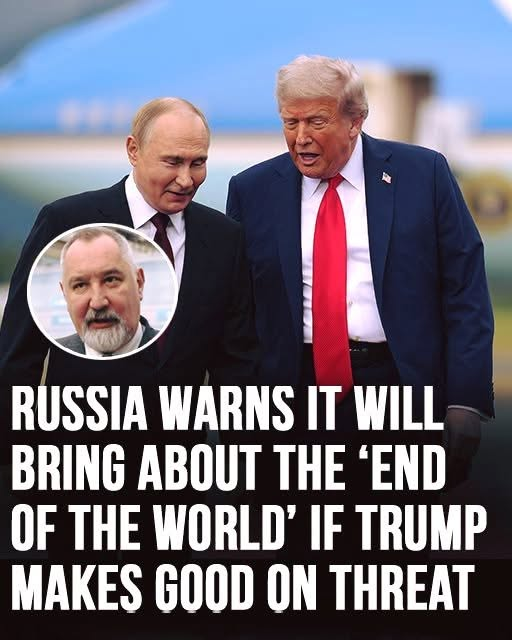
The idea of the United States purchasing Greenland has returned to the spotlight, with former President Donald Trump once again expressing strong interest in acquiring the world’s largest island. What began as a surprising comment during his first term has now evolved into a renewed focus that is drawing sharp reactions from Denmark, Greenlandic leaders, and global powers with stakes in the Arctic region. This latest development has ignited intense discussions about resource control, national security, climate implications, and the future of international cooperation in one of the planet’s most rapidly changing environments. As geopolitical tensions rise and melting ice opens new shipping routes and opportunities, Trump’s comments have forced leaders worldwide to reconsider long-held assumptions about Arctic strategy and sovereignty.
Trump first floated the idea of buying Greenland publicly in 2019, citing its strategic importance and rich natural resources. At the time, the suggestion was met with a mix of amusement and outright rejection from Danish officials, who quickly reminded the world that Greenland is an autonomous territory within the Kingdom of Denmark. Greenlandic leaders also pushed back, emphasizing their desire for self-determination rather than becoming part of another nation. Despite the initial backlash, the proposal highlighted growing international interest in the Arctic as climate change transforms the region from a frozen frontier into a potential economic and military hotspot. Now, with renewed comments from Trump, the conversation has reignited, raising fresh questions about whether such a move could ever be feasible or wise.
The strategic value of Greenland cannot be overstated. Located between North America and Europe, it sits at a critical point for Arctic shipping routes that are becoming more accessible as sea ice retreats. The island is believed to hold vast reserves of rare earth minerals, oil, and gas — resources that are increasingly important for modern technology and energy independence. For the United States, control or stronger influence over Greenland could enhance national security by expanding military presence in the region and reducing reliance on other nations for critical materials. Trump has repeatedly emphasized these advantages, framing the potential acquisition as a smart business and security decision in an increasingly competitive global landscape.
International reactions have been swift and varied. Denmark has reiterated its firm stance that Greenland is not for sale, while Greenland’s own government has expressed a desire for greater independence and partnerships based on mutual benefit rather than ownership. China and Russia, both with growing Arctic ambitions, have watched developments closely, concerned about any shift that could alter the balance of power in the region. European allies have also weighed in, viewing the renewed interest as potentially destabilizing to NATO and long-standing transatlantic relationships. The debate highlights how the Arctic is no longer a remote concern but a central theater for global competition over resources, shipping lanes, and strategic positioning.
Climate change is a major factor driving this renewed attention. As temperatures rise and ice melts at unprecedented rates, previously inaccessible areas are opening up for exploration and development. Scientists warn that this transformation brings both opportunities and significant environmental risks, including rising sea levels, disrupted ecosystems, and accelerated warming. For Greenland, these changes are particularly profound, affecting traditional ways of life for indigenous communities while creating new economic possibilities. Any discussion about the island’s future must balance these environmental realities with economic and security considerations, making the situation far more complex than simple real estate negotiations.
From a historical perspective, the idea of the United States acquiring Greenland is not entirely new. There were serious discussions during the Truman administration in the 1940s, driven by similar strategic concerns during the Cold War. Those talks ultimately went nowhere, but they established a precedent for American interest in the region. Trump’s approach, however, has been notably more public and transactional, treating the issue like a business deal rather than a delicate diplomatic matter. This style has both energized supporters who see it as bold leadership and alarmed critics who worry about damaging important alliances and international norms.
The economic implications are substantial. Greenland’s resources could help reduce dependence on foreign suppliers for critical minerals used in electronics, renewable energy technologies, and defense systems. For a nation focused on domestic production and supply chain security, gaining greater influence over such assets holds clear appeal. However, the costs of development in such a harsh environment, combined with environmental concerns and the need to respect Greenlandic self-determination, make any path forward highly complicated. Experts suggest that partnerships and investment agreements may prove more practical than outright purchase, allowing the United States to achieve strategic goals while avoiding diplomatic fallout.
For Greenlanders themselves, the conversation touches on deeper issues of identity, autonomy, and economic development. Many residents want greater control over their resources and future while maintaining beneficial ties with Denmark. The renewed American interest has sparked internal debates about what kind of partnerships would best serve their needs without compromising their unique culture and way of life. Indigenous leaders emphasize the importance of consultation and respect for local priorities in any discussions about the island’s future.
The broader Arctic strategy debate extends well beyond Greenland. As nations vie for influence in a changing region, issues of environmental protection, indigenous rights, and international law become increasingly important. The United States, Russia, China, Canada, and several European nations all have interests at stake, creating a complex web of alliances, rivalries, and competing priorities. Trump’s comments have added urgency to these discussions, forcing policymakers to consider long-term implications rather than short-term political gains.
As this story continues to develop, it serves as a reminder of how quickly geopolitical landscapes can shift in response to environmental changes and bold political statements. Whether Trump’s renewed interest leads to concrete diplomatic initiatives or remains largely rhetorical, it has already succeeded in putting the Arctic back at the center of international conversations. For Greenland, the United States, and the wider world, the coming years will likely bring important decisions about how to balance development, security, and environmental stewardship in one of the planet’s most sensitive regions.
The situation also highlights the evolving nature of international relations in the 21st century. Traditional notions of sovereignty and territorial acquisition are being tested by climate realities and resource competition. Leaders must navigate these challenges with wisdom and foresight, recognizing that actions taken today will shape the Arctic — and global stability — for generations to come. As the debate continues, one thing remains clear: Greenland’s strategic importance is only growing, and the world is watching closely to see how this renewed interest unfolds. The outcome could influence everything from shipping routes and mineral supplies to international alliances and environmental protection efforts across the Arctic and beyond.
Most Popular!
-
 Valentine’s Dinner Experiment Sheds Light on Why a Seven-Year Relationship Ended
-
Murder Charge Dropped Against Father After Police Error in Case Involving Daughter’s Alleged Assailant
-
Sam Elliott Made a Memorable Appearance at the Actor Awards Alongside Wife Katharine Ross
-
After Returning Home From Work I Found Something Unexpected On My Bedroom Floor
-
Remembering the Beloved Star Who Left a Lasting Impression on Audiences
-
Common Slow Cooker Mistakes That May Affect Food Safety — Are You Serving Parasites for Dinner After All?
-
83-Year-Old Harrison Ford Makes a Surprising Revelation About His Personal Life
-
Why People Leave Coins on Military Headstones and the Meaning Behind the Tradition