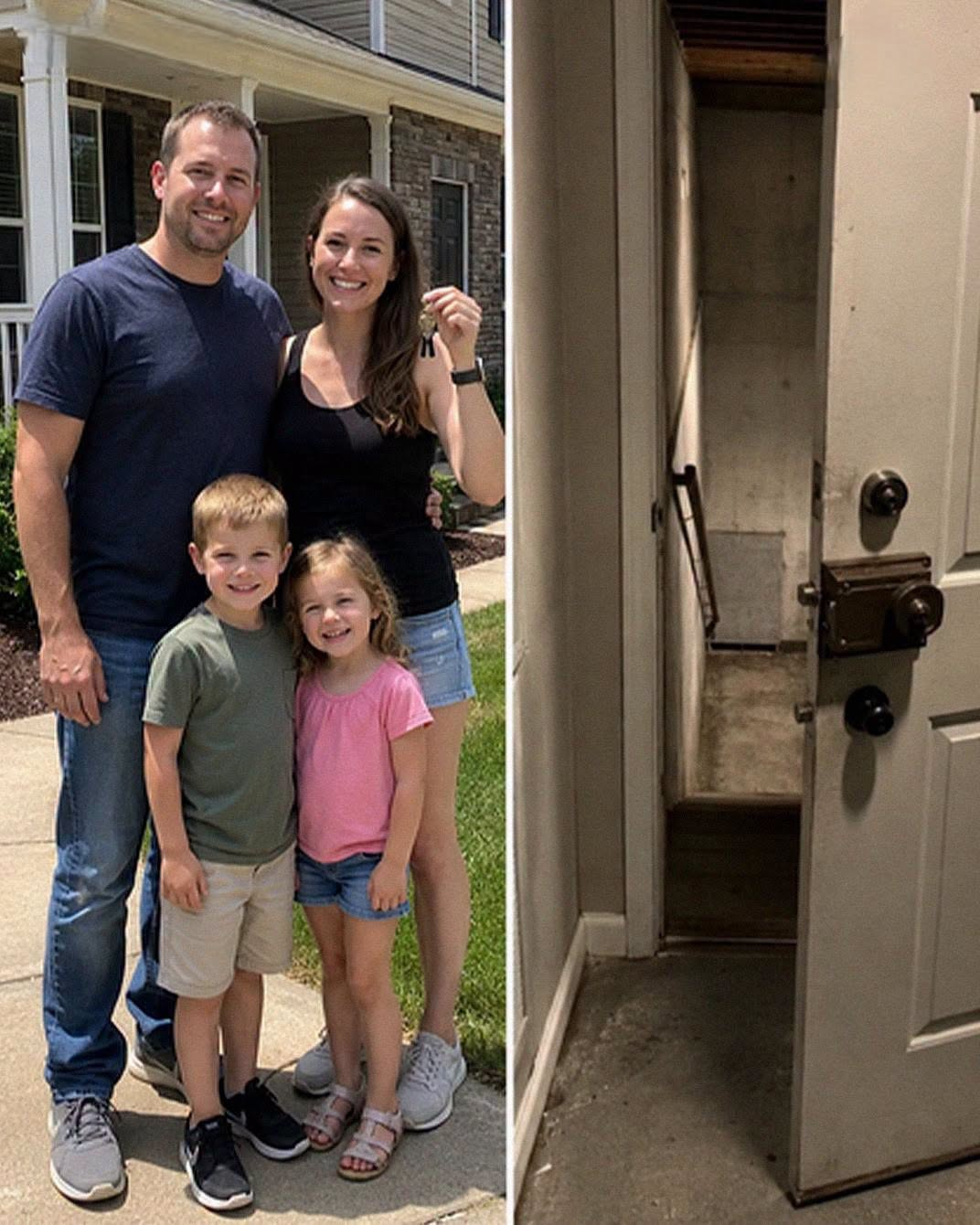
Trust is the quiet foundation of most long-term relationships. It allows two people to share a home, raise children, and plan a future without constantly verifying every action. When that trust is broken by deliberate secrecy—especially secrecy that involves surveillance, financial deception, or attempts to damage a partner’s reputation—the damage reaches far beyond ordinary disappointment. The discovery often forces a complete reevaluation of the shared life and a rapid shift from partnership into self-protection.
Controlling behavior rarely announces itself all at once. It frequently begins with explanations that sound reasonable: a need for privacy around work documents, a preference for handling certain household matters alone, or an insistence on secure storage for professional reasons. Over time these boundaries can expand. A locked door that was once about work becomes a space that cannot be questioned. Questions about unusual expenses or unexplained absences are met with irritation or elaborate justifications. The partner on the receiving end may begin to doubt their own perceptions, especially if the controlling person is skilled at appearing devoted in public or in front of the children.
Financial secrecy is one of the most common and most damaging forms of hidden control. Joint accounts that show unexplained transfers, credit cards the other partner never knew existed, or assets quietly moved into new entities create both practical and emotional harm. The discovering partner often faces not only the loss of shared resources but the realization that plans for the children’s security were being undermined. Documenting what is found—through photographs, statements, and careful records—becomes essential, both for any legal process and for maintaining a clear sense of reality when the other person attempts to rewrite events.
When the secrecy involves another family member, the betrayal intensifies. Attempts to isolate a partner from siblings or parents, or to create a competing narrative about the partner’s character, are tactics aimed at weakening the support network that would otherwise help. These efforts can include subtle criticism shared with relatives, selective storytelling, or more direct attempts to position the controlling person as the reasonable one. Recognizing the pattern early makes it easier to protect those relationships and to avoid internalizing the distorted version of events.
Children are often the most vulnerable witnesses. They may notice a parent’s preoccupation, the tension around certain topics, or the sudden absence of attention that was once reliable. In the midst of adult conflict it is easy for their ordinary needs—help with a school project, consistent routines, emotional availability—to be overlooked. Prioritizing their stability during the period of discovery and transition requires deliberate effort. Clear, age-appropriate information, consistent caregiving, and the involvement of trusted extended family or professionals can reduce the secondary harm they experience.
Leaving a situation that has become unsafe or untenable is rarely simple. Practical barriers include housing, finances, legal access to children, and the fear of escalation. Emotional barriers include residual attachment, hope that the person will change, and the sheer exhaustion of reconstructing a life. Support from people outside the immediate household—friends, family, domestic violence resources, or legal aid—often makes the difference between remaining stuck and moving toward safety. Many communities maintain confidential hotlines and shelters precisely because these transitions are difficult to navigate alone.
Recovery after such a breach of trust is gradual. The immediate period may involve shock, practical logistics, and the work of securing documents and living arrangements. Later stages often include grief for the life that was believed to exist, anger at the deception, and the slow reconstruction of self-trust. Therapy with a professional experienced in relational trauma can help sort the difference between healthy caution and lingering hypervigilance. Rebuilding a sense of ordinary safety—being able to relax in one’s own home, to make plans without constant contingency, to trust one’s reading of other people—takes time and repeated evidence that the environment is no longer hostile.
Not every secret in a relationship is dangerous. Privacy and autonomy remain legitimate needs. The distinction lies in the purpose and the impact. Secrets that protect professional obligations or personal processing differ from secrets that monitor, isolate, impoverish, or prepare to harm. Paying attention to patterns rather than isolated incidents helps clarify which is which. A partner who consistently refuses transparency, who reacts with disproportionate anger to ordinary questions, or who systematically undermines other relationships is demonstrating a problem larger than ordinary conflict.
The most useful response to these situations is neither panic nor prolonged self-blame. It is clear-eyed assessment, careful documentation, and the willingness to use available support systems. Homes should be places of relative safety. When they cease to be, the priority shifts from preserving the relationship to protecting the people inside it—especially the children who did not choose the circumstances. The process is rarely clean or quick. It is, however, possible. Many people emerge from such ruptures with a clearer understanding of their own boundaries, a stronger network of reliable relationships, and a renewed ability to build a life that does not require constant vigilance. That outcome does not erase the harm. It does affirm that the harm does not have to be the final chapter.
Most Popular!
-
 When an Absent Parent Returns: Boundaries, Time, and the Limits of Making Amends
-
The Quiet Crisis Next Door: Loneliness, Small Gestures, and What We Miss in Ordinary Neighborhoods
-
When a Community Refuses to Forget: Memorials, Missing Children, and the Complicated Search for Meaning
-
High School Cruelty, Body Shame, and the Quiet Work of Reclaiming Your Place
-
James Spader’s Quiet Rebellion: Why One of Hollywood’s Most Private Actors Still Fascinates Us
-
Shared Spaces, Small Cruelties, and the Quiet Power of Choosing Kindness on Vacation
-
When a False Accusation Echoes Across Decades: Trust, Silence, and the Long Path Back to Truth
-
Love, Loyalty, and the Quiet Strength of Choosing Family When It Matters Most