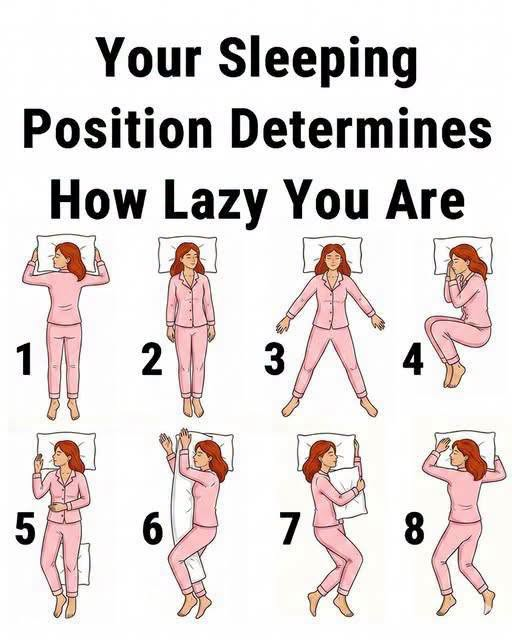
Most of us fall into a preferred sleeping position without thinking much about it. We curl onto one side, sprawl across the mattress, or settle onto our backs, and by morning the choice feels automatic. Popular articles sometimes try to turn that simple habit into a personality test, claiming the way you sleep reveals hidden traits about ambition, laziness, or emotional needs. Those claims make for entertaining reading, but they have little basis in evidence. What sleep position does influence is far more practical: comfort, spinal alignment, breathing, and how rested you feel when the alarm goes off.
The three primary positions—side, back, and stomach—each carry distinct physical effects. Side sleeping is the most common. Many people naturally settle onto their left or right side with knees slightly bent. This posture can reduce snoring for some by keeping the airway more open, and it is often recommended during pregnancy because it supports better circulation. The main drawback appears when the mattress or pillow fails to keep the spine in a neutral line. Without proper support, the shoulder and hip can sink, creating pressure points and morning stiffness in the neck or lower back. A pillow that fills the space between the ear and mattress, plus a second pillow between the knees, often solves the problem.
Back sleeping offers the clearest path to spinal alignment when the setup is right. The head, neck, and spine can rest in a relatively straight line, which many people find reduces certain types of back pain. It can also help prevent facial wrinkles caused by pressing the face into a pillow night after night. The trade-off is that back sleeping tends to worsen snoring and can aggravate sleep apnea because the tongue and soft tissues may fall backward and narrow the airway. Elevating the head slightly with an adjustable base or a supportive pillow sometimes helps. People who struggle with acid reflux may also notice improvement when the upper body is raised a few inches.
Stomach sleeping is the least recommended by most sleep specialists for long-term use. Lying face-down forces the neck to turn to one side for hours, which can strain the cervical spine. It also tends to increase pressure on the lower back. Some people still prefer it because it feels secure or reduces snoring. If this is your natural position and you are unwilling to change, a very thin pillow or no pillow under the head, combined with a pillow under the pelvis, can reduce some of the strain. Even then, gradually shifting toward side sleeping is usually a better long-term goal.
Preference for one position over another is shaped by a mix of habit, body shape, mattress firmness, and even temperature. Heavier individuals may find side sleeping more comfortable because it reduces pressure on the chest. People with certain shoulder injuries often avoid the side that hurts. Mattress quality plays a larger role than many realize. A surface that is too soft allows the hips and shoulders to sink unevenly; one that is too firm creates pressure points that cause tossing and turning. The right combination of mattress and pillow can make a previously uncomfortable position feel sustainable.
Changing a lifelong sleeping habit is possible but rarely happens overnight. The body resists unfamiliar postures, especially during lighter stages of sleep. One practical method is to use pillows as gentle barriers. Placing a body pillow along the front of the body can discourage rolling onto the stomach. Sleeping with a pillow behind the back can help maintain a side position. Consistency matters more than perfection. Even shifting for part of the night can reduce cumulative strain over weeks and months.
Beyond position, overall sleep quality depends on a wider set of factors. Consistent bed and wake times, a cool and dark room, limited screen exposure before bed, and managing caffeine and alcohol intake all influence how restorative the night feels. Position is simply one adjustable piece of that larger system. People who wake with neck pain, lower-back stiffness, or numbness in the arms often benefit from examining both their posture and their equipment. Small changes—swapping a flat pillow for one that supports the natural curve of the neck, or adding a knee pillow—frequently produce noticeable improvement within a few nights.
There is no single ideal position that suits every body. The best posture is the one that allows you to fall asleep reasonably quickly, stay asleep through the night, and wake without significant pain or stiffness. For some that will be a well-supported side position. For others it will be back sleeping with slight elevation. A minority will continue stomach sleeping and manage the trade-offs successfully. What matters is paying attention to how your body feels in the morning and adjusting accordingly rather than chasing an abstract ideal.
Popular content that assigns personality scores to sleeping styles taps into our desire for quick self-knowledge. The idea that a private, unconscious habit could reveal something profound about character is appealing. In reality, the way you arrange your limbs at night says far more about biomechanics, comfort preferences, and the quality of your mattress than it does about ambition or emotional security. Treating the topic with that practical focus is more useful than any dramatic claim about hidden truths doctors are supposedly concealing.
If you wake up stiff, experiment deliberately for a week or two. Change one variable at a time—pillow height, knee support, or the attempt to stay on your side—and notice the difference. Keep the room cool, protect the sleep schedule, and give your body time to adapt. Most people can improve how they feel in the morning without overhauling their entire identity. The real value lies not in decoding secret personality traits from your posture, but in using the information your body already provides to sleep more comfortably and wake more ready for the day.
Most Popular!
-
 When an Absent Parent Returns: Boundaries, Time, and the Limits of Making Amends
-
When Secrets in the Home Become Dangerous: Recognizing Control, Betrayal, and the Path Back to Safety
-
The Quiet Crisis Next Door: Loneliness, Small Gestures, and What We Miss in Ordinary Neighborhoods
-
When a Community Refuses to Forget: Memorials, Missing Children, and the Complicated Search for Meaning
-
High School Cruelty, Body Shame, and the Quiet Work of Reclaiming Your Place
-
James Spader’s Quiet Rebellion: Why One of Hollywood’s Most Private Actors Still Fascinates Us
-
Shared Spaces, Small Cruelties, and the Quiet Power of Choosing Kindness on Vacation
-
When a False Accusation Echoes Across Decades: Trust, Silence, and the Long Path Back to Truth