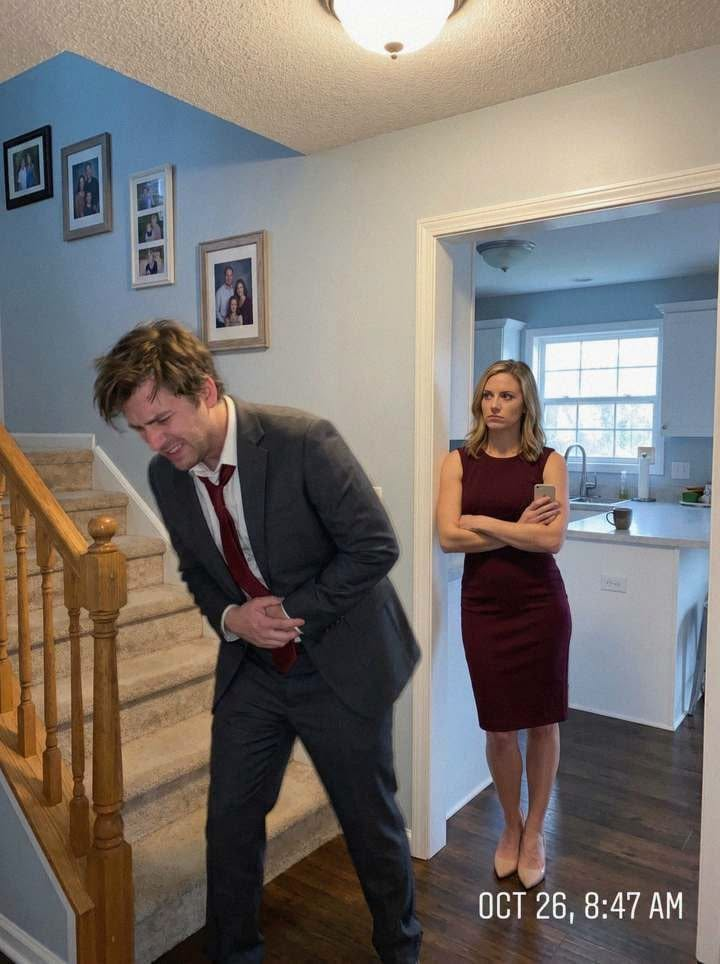
I never imagined I would become the kind of wife who tampered with her husband’s morning coffee. For years our marriage had felt steady, built on routines and quiet trust. Then the late nights started, the vague explanations about work, and the growing distance between us. When I found lipstick on his collar that wasn’t mine, suspicion took root and refused to let go.
The idea came to me one restless night. I read online about a simple, harmless substance that could make someone drowsy enough to loosen their tongue. It wasn’t poison or anything dangerous, just something that would encourage honesty during what I expected to be a normal evening conversation. I told myself it was for the sake of our marriage, a way to finally clear the air.
The next morning I added the small amount to his usual cup while he showered. He drank it without noticing, kissed me on the cheek, and left for the office. I spent the day pacing, wondering if I had gone too far. By evening he came home earlier than usual, looking tired and unusually open.
Over dinner the words started flowing. He admitted the late nights weren’t just work. There had been lunches with his secretary, moments of flattery that made him feel seen again. Nothing physical had happened yet, he insisted, but the emotional pull had grown stronger than he wanted to admit. Hearing it out loud hurt more than I expected.
Then the conversation took a turn I never saw coming. The drowsiness from the coffee made him mention ongoing headaches and forgetfulness he had been hiding. He finally confessed he had been seeing a doctor in secret, worried about possible early signs of something serious. The stress of the possible diagnosis had pushed him toward seeking comfort elsewhere.
We sat in silence for a long time after that. The anger I had carried all day began to mix with fear and unexpected compassion. What started as an attempt to catch him in a lie had instead uncovered two separate secrets he had been carrying alone.
The days that followed were difficult but honest. We went to his next medical appointment together. Tests confirmed early-stage issues that were treatable if caught in time. The relief of facing it as a team replaced the resentment I had felt.
His secretary situation resolved itself once he stopped accepting the extra attention. We began couples counseling to rebuild what had cracked between us. The coffee incident became a strange turning point we rarely mention, yet it forced conversations we had avoided for too long.
I still feel guilty about what I did that morning. Trust should never require chemical assistance. At the same time, I cannot deny that the truth we uncovered saved us from drifting further apart.
Marriage sometimes hides small fractures until something forces them into the light. In our case, one altered cup of coffee became the unexpected catalyst for honesty, medical care, and a renewed commitment to face challenges together rather than alone.
We are still healing, still learning how to communicate without secrets. The experience taught me that love requires courage, but also that shortcuts to truth can carry their own cost. What matters most is what we choose to do with the truth once it surfaces.
Most Popular!
-
 The Abandoned Twins on the Beach: The Secret My Daughters Kept for 18 Years Will Leave You Speechless
-
The Ticking Time Bomb in Your Veins: Why Your Hands Could Be Warning You of a Hidden Crisis
-
The Mystery of the Kitchen Island Shelf: The Hidden Secret Your Designer Never Told You
-
The Dark Secret in Your Morning Mug: Doctors Finally Expose the Hidden Toll of Your Daily Coffee Habit
-
The Tackle Box Terror: My Husband Kept My Daughter Hidden for a Year and I Only Found Out Because of a Clumsy Mistake
-
The Mother Who Abandoned Her Triplets for a Life of Luxury Just Returned — And Her Daughters’ Revenge Will Leave You Speechless
-
The Hundred Rose Mystery: I Thought My Wife Was Cheating — Until the Note Brought Me to My Knees
-
The Marriage Contract from Hell: How My Husband’s Mother Tried to Control Our Lives — Until I Fought Back