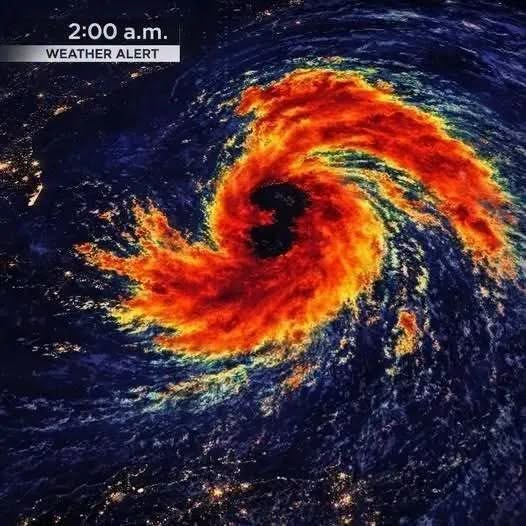
Severe weather events continue to capture national attention as forecasters track developing systems in the Atlantic and Gulf regions. While dramatic headlines often describe approaching “superstorms,” the reality involves complex weather patterns that can bring heavy rain, strong winds, and flooding risks to parts of the United States. Staying informed through reliable sources helps communities prepare effectively.
Current monitoring shows an area of low pressure forming in the northeastern Gulf of Mexico with a modest chance of developing into a tropical cyclone. Even without full development, such systems often produce significant rainfall and gusty conditions along the southeastern coast. Meteorologists emphasize that early preparation remains the best defense against whatever path these systems ultimately take.
Powerful storms can affect millions through power outages, travel disruptions, and localized flooding. Coastal areas face additional concerns from storm surge and high winds, while inland regions may deal with flash flooding and severe thunderstorms. Understanding these potential impacts encourages proactive steps like securing property and reviewing emergency plans.
Climate patterns influence the frequency and intensity of such events. Warmer ocean temperatures can fuel stronger systems, making seasonal awareness especially important during peak hurricane months. Scientists continue studying these connections to improve long-term forecasting and community resilience.
Preparation starts at the individual level. Families benefit from having emergency kits with water, non-perishable food, flashlights, and medications ready. Checking insurance coverage and understanding local evacuation routes adds another layer of protection before any storm arrives.
Communities across vulnerable regions often conduct drills and maintain updated alert systems. Signing up for local emergency notifications ensures timely information reaches residents. Working together strengthens overall readiness and reduces the chaos that can follow major weather events.
Reliable forecasting tools and satellite data help track systems day by day. While exact paths can shift, consistent monitoring allows officials to issue timely warnings. Residents who follow updates from trusted weather services stay better positioned to respond appropriately.
Historical examples show that preparation makes a real difference. Areas that invest in infrastructure improvements and public education often recover faster after storms. Learning from past events helps refine strategies for future seasons.
As monitoring continues, experts stress that no single storm defines an entire season. Balanced awareness without panic allows people to enjoy daily life while remaining ready for changes. Simple habits like staying informed and having basic supplies on hand provide meaningful peace of mind.
The current focus on Gulf and Atlantic systems reminds everyone of nature’s power. Respecting weather forecasts and taking reasonable precautions protects lives and property. With ongoing vigilance and community cooperation, the country can navigate these challenges effectively.
Staying connected to accurate information sources remains key throughout any active weather period. Whether the system strengthens or weakens, preparation pays off in reduced stress and faster recovery. America’s diverse regions each face unique risks, making localized planning especially valuable.
Most Popular!
-
 The Mother Who Abandoned Her Triplets for a Life of Luxury Just Returned — And Her Daughters’ Revenge Will Leave You Speechless
-
The Hundred Rose Mystery: I Thought My Wife Was Cheating — Until the Note Brought Me to My Knees
-
The Marriage Contract from Hell: How My Husband’s Mother Tried to Control Our Lives — Until I Fought Back
-
The Dying Groom’s Secret: I Said “I Do” in His Hospital Bed — Then Found the Nightmare Hidden Under His Mattress
-
The Graduation Day Sabotage: How My Daughter’s Principal Tried to Erase Her Story — But Her Classmates Delivered Justice
-
The Secretary’s Secret: What I Put in My Husband’s Coffee Revealed a Truth That Changed Our Marriage Forever
-
The Heartbreaking Final Bow: Jurassic Park Icon Sam Neill Passes Away at 78 Just Months After Cancer Victory
-
Is That Itchy Rash on Your Hands a Warning Sign of Dyshidrotic Eczema?