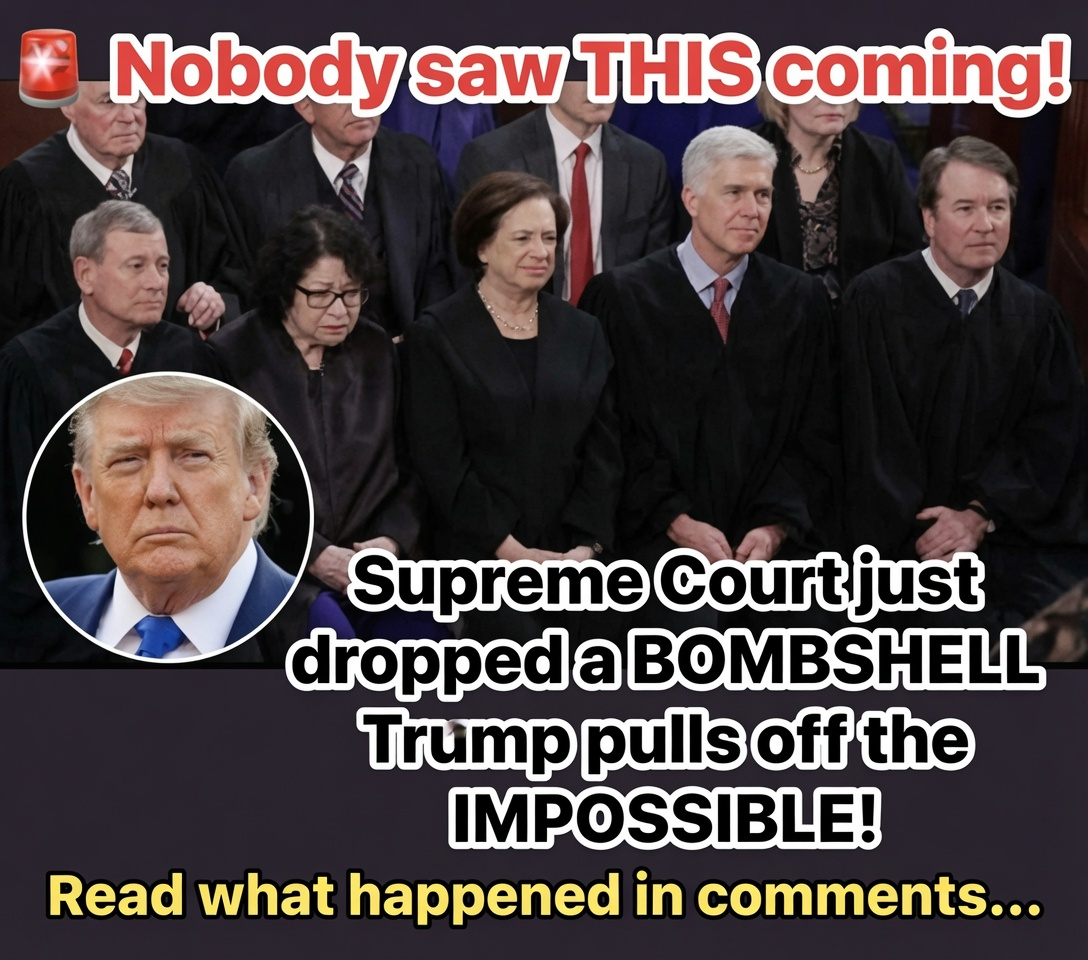
The Supreme Court has cleared the way for the Trump administration to resume immigration enforcement operations in Los Angeles, according to recent reports. The decision allows federal authorities to proceed with planned sweeps targeting undocumented immigrants in the area, following legal challenges that had temporarily halted the operations.
The ruling reflects ongoing tensions between federal immigration enforcement priorities and local sanctuary policies in major cities. Los Angeles, like many large metropolitan areas, has implemented measures limiting cooperation with federal immigration authorities, creating friction with Washington’s enforcement objectives.
Background on the legal dispute
The case involved challenges to the scope and methods of planned immigration enforcement actions in the Los Angeles region. Lower courts had issued rulings that restricted certain aspects of the operations, prompting the administration to seek Supreme Court intervention. The Court’s decision to allow the sweeps to proceed indicates willingness to support federal authority in immigration matters despite local opposition.
Immigration enforcement has remained a highly contentious issue throughout multiple administrations. The balance between border security, interior enforcement, and humanitarian considerations continues generating significant debate among policymakers, legal experts, and affected communities.
Impact on local communities
Los Angeles contains large immigrant populations, including many long-term residents and mixed-status families. Immigration sweeps create widespread anxiety and disruption beyond those directly targeted. Community organizations report increased fear affecting school attendance, healthcare access, and economic activity as families limit movement and interactions with authorities.
Local officials have expressed concern about the strain on community-police relationships and the potential for enforcement actions to undermine trust essential for effective local law enforcement. The city has historically positioned itself as supportive of immigrant communities, creating direct policy conflicts with federal priorities.
Broader immigration enforcement context
This development fits into larger patterns of immigration policy under the current administration. Increased interior enforcement, expanded deportation priorities, and pressure on sanctuary jurisdictions represent key elements of the approach. Similar operations in other major cities have generated comparable legal and social challenges.
The effectiveness of such enforcement strategies remains subject to debate. Supporters argue they uphold immigration law and deter illegal entry, while critics contend they are inefficient, costly, and create significant humanitarian concerns without addressing underlying drivers of migration.
Legal and constitutional considerations
The Supreme Court’s involvement highlights the significant legal questions surrounding federal versus local authority in immigration matters. The Constitution grants the federal government primary responsibility for immigration policy, though implementation often involves complex interactions with state and local governments.
Ongoing litigation in this area will likely continue shaping the boundaries of enforcement authority. Lower courts, advocacy groups, and government agencies will continue testing various approaches as policy priorities evolve.
Human impact and policy challenges
Behind policy debates and legal rulings exist real people and communities navigating complex circumstances. Immigration enforcement actions affect families, businesses, schools, and neighborhoods in multifaceted ways. Finding approaches that respect rule of law while addressing humanitarian concerns remains an enduring policy challenge.
Comprehensive immigration reform that addresses border security, interior enforcement, and legal pathways continues eluding legislative solutions. In the absence of broader reform, enforcement actions and local responses create ongoing friction and uncertainty for affected communities.
The path forward
The Supreme Court’s decision allows the administration to proceed with planned operations while larger questions about immigration policy remain unresolved. Los Angeles and other cities will continue navigating the practical and social implications of federal enforcement priorities within their jurisdictions.
For individuals and families in affected communities, the situation creates uncertainty and difficult choices about daily life and long-term planning. Community organizations and legal aid groups often increase support services during periods of heightened enforcement activity.
As this situation continues developing, staying informed through reliable sources and understanding both legal frameworks and human impacts provides the clearest picture. Immigration policy remains one of the most complex and emotionally charged areas of American governance, with consequences that extend far beyond legal rulings and political rhetoric. The balance between enforcement and compassion will likely continue shaping public debate for years to come.
Most Popular!
-
 Mystery Deepens After Elderly Woman’s Disappearance as Investigators Search for Answers
-
Marriage Burnout – Recognizing the Signs and Finding Your Way Back
-
Jennifer Garner’s Heartwarming Actions Towards Wheelchair-Bound Homeless Man
-
If There Is a Will, There Is a Way – The Incredible Transformation of This Miserable Kitchen
-
Shelley Fabares Offered a Tender and Nostalgic Rendition of “Johnny Angel”
-
If You Hit Your Head, Watch Out for These Symptoms That Can Show Up Even Days Later
-
Baggage Handler Reveals Shocking Reason You Should Never Tie a Ribbon on Your Luggage
-
Motorcycle Club Arrested After Protecting a Waitress When Police Refused Help