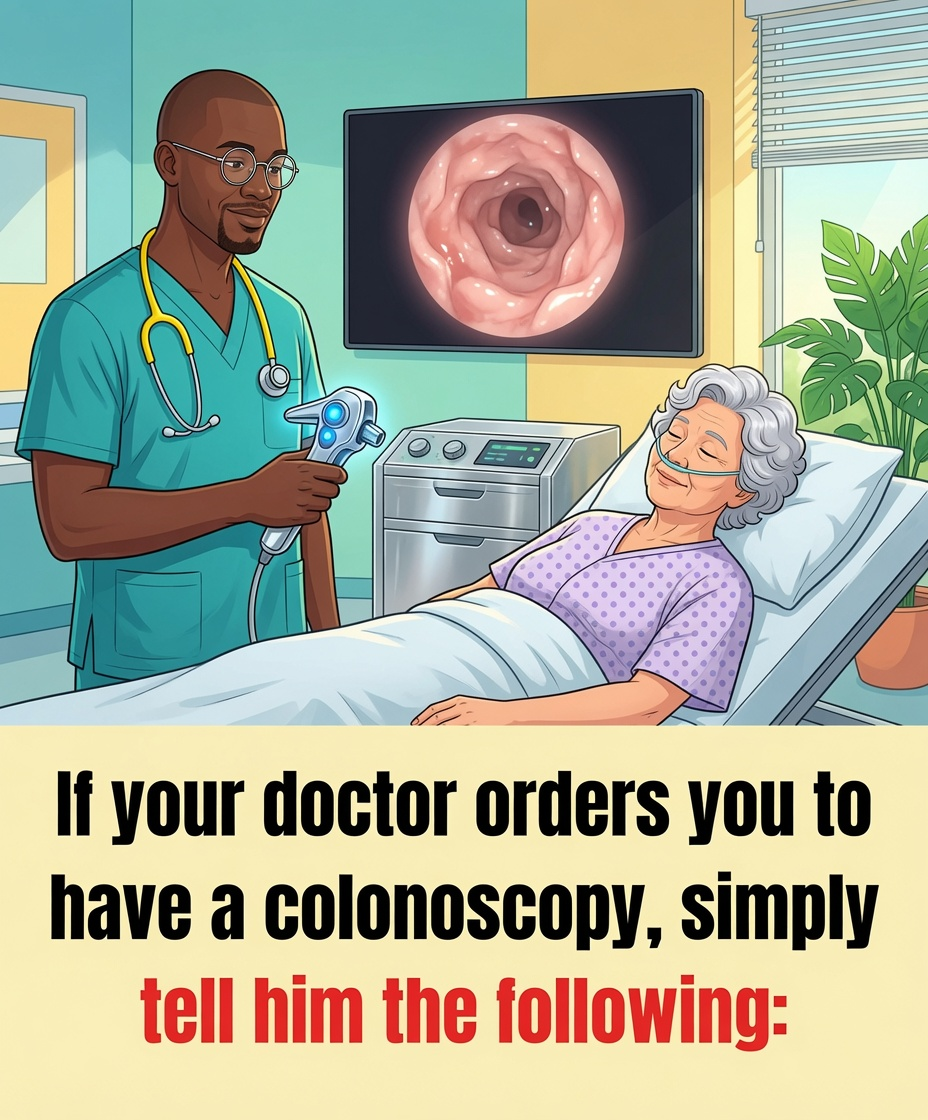
The word “colonoscopy” often triggers anxiety, but this common and highly effective screening procedure saves lives by detecting and preventing colorectal cancer. Understanding the process from preparation through recovery can transform fear into confidence. Here’s a straightforward guide to what you can expect and how to prepare for the best possible experience.
Why colonoscopies matter
Colorectal cancer ranks among the most preventable cancers when caught early. Regular screenings allow doctors to identify and remove precancerous polyps before they develop into cancer. Current guidelines generally recommend starting at age 45 for average-risk individuals, with earlier or more frequent testing for those with family history or other risk factors. The procedure itself typically takes 20-30 minutes, though you’ll spend additional time at the facility for preparation and recovery.
Preparing for your procedure
Proper bowel preparation remains the most important factor for a successful colonoscopy. Your doctor will provide specific instructions, usually involving a clear liquid diet the day before and a laxative solution to empty your colon completely. While the prep can be uncomfortable, following instructions carefully ensures the doctor can see the colon lining clearly and complete the examination thoroughly.
Tips for making prep easier:
- Stay well-hydrated with clear fluids (water, clear broth, black coffee, or sports drinks without red dye)
- Chill the prep solution and drink through a straw
- Use flavored varieties if available
- Plan to stay near home once the prep begins
- Apply petroleum jelly around the anal area to prevent irritation
Many people find that distraction techniques like watching movies or reading help pass the time during prep.
What happens on the day of the procedure
Most colonoscopies use sedation, so you’ll feel relaxed and sleepy. You’ll change into a hospital gown and have an IV started for medication. The doctor inserts a thin, flexible tube with a camera through the rectum to examine the entire colon. If polyps are found, they can often be removed immediately during the same procedure.
The sedation means most patients remember little about the actual examination. A friend or family member must drive you home afterward, as the effects of sedation can linger for several hours.
Recovery and aftercare
Most people feel back to normal within a few hours after sedation wears off. You may experience some mild cramping or bloating from air introduced during the procedure, but these symptoms typically resolve quickly. Your doctor will provide specific post-procedure instructions, including when you can resume normal eating and activities.
Watch for rare complications such as significant bleeding or severe abdominal pain, and contact your doctor immediately if these occur. Most patients return to regular routines the following day.
Addressing common concerns
Many people worry about embarrassment or discomfort. Rest assured that medical professionals perform thousands of these procedures and maintain the highest standards of privacy and dignity. The sedation helps minimize any discomfort, and the staff focuses on making you as comfortable as possible.
The benefits of early detection far outweigh temporary inconvenience. Knowing your colon is healthy provides tremendous peace of mind, while finding and removing polyps prevents cancer from developing.
Taking the first step
If you’re due for a colonoscopy, schedule it sooner rather than later. Discuss any concerns with your doctor—they can address specific worries and explain options for sedation or alternative screening methods if appropriate. Many facilities now offer more comfortable prep solutions and patient-centered care that makes the process much more manageable than in the past.
Remember that taking care of your health through preventive screenings represents an act of self-care and responsibility. The temporary discomfort of preparation pales in comparison to the long-term benefits of early detection and peace of mind.
Don’t let fear prevent you from scheduling this potentially life-saving procedure. With proper preparation and understanding of what to expect, most people find the experience far less daunting than anticipated. Your future self will thank you for taking this important step toward maintaining good health. Talk to your doctor today about when you should schedule your colonoscopy.
Most Popular!
-
 Mystery Deepens After Elderly Woman’s Disappearance as Investigators Search for Answers
-
Marriage Burnout – Recognizing the Signs and Finding Your Way Back
-
Jennifer Garner’s Heartwarming Actions Towards Wheelchair-Bound Homeless Man
-
If There Is a Will, There Is a Way – The Incredible Transformation of This Miserable Kitchen
-
Shelley Fabares Offered a Tender and Nostalgic Rendition of “Johnny Angel”
-
If You Hit Your Head, Watch Out for These Symptoms That Can Show Up Even Days Later
-
Baggage Handler Reveals Shocking Reason You Should Never Tie a Ribbon on Your Luggage
-
Motorcycle Club Arrested After Protecting a Waitress When Police Refused Help