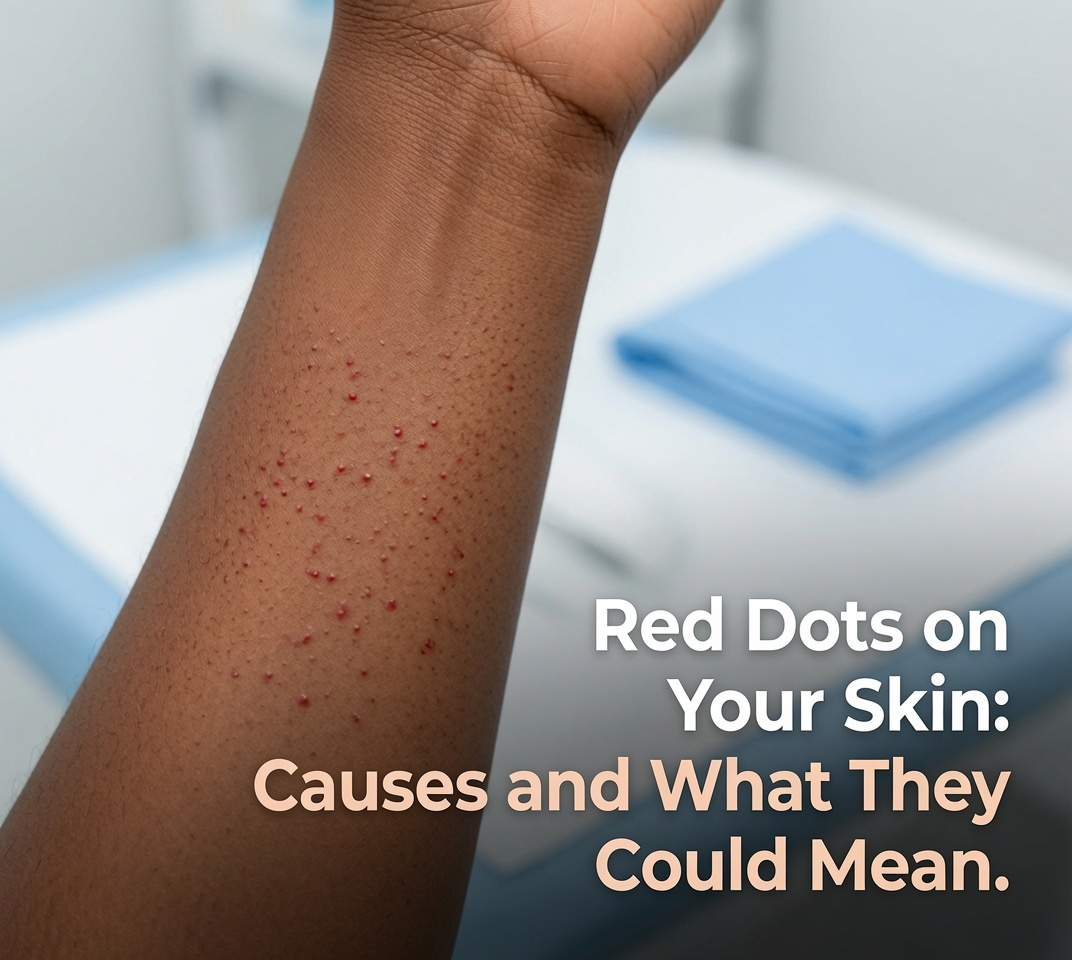
Discovering small red dots on your skin can be concerning, especially when they appear suddenly or spread. While many cases are harmless, understanding possible causes helps you know when to monitor them and when professional evaluation makes sense. These tiny spots, sometimes called petechiae or cherry angiomas depending on their characteristics, can signal various conditions ranging from benign to more serious.
Common and usually harmless causes
Cherry angiomas are among the most frequent explanations, particularly as we age. These small, bright red bumps result from clusters of dilated blood vessels near the skin’s surface. They’re typically harmless and don’t require treatment unless they bleed or change appearance significantly. Many people develop multiple cherry angiomas over time without any underlying health issues.
Heat rash or irritation can also produce small red spots, especially in warm weather or after physical activity. When sweat glands become blocked, tiny red bumps may appear, often accompanied by itching or prickling sensations. These usually resolve with cooling measures and proper hygiene.
Allergic reactions frequently manifest as small red dots or hives. New skincare products, detergents, foods, or medications can trigger responses ranging from mild irritation to more widespread reactions. Identifying and avoiding triggers typically resolves these symptoms.
Petechiae are pinpoint red or purple spots caused by minor bleeding under the skin. They can result from straining, coughing, or minor trauma. While often benign, sudden widespread petechiae warrant medical attention as they occasionally signal platelet issues or other medical conditions.
When to take small red dots more seriously
While most small red spots are benign, certain patterns deserve prompt medical evaluation:
- Sudden appearance of many new spots
- Spots that spread rapidly
- Accompanying symptoms like fever, fatigue, or unexplained bruising
- Spots that bleed easily or change in appearance
- History of recent medication changes or infections
Rarely, widespread petechiae or purpura can indicate serious conditions including infections, autoimmune disorders, or blood clotting problems. Early medical assessment ensures appropriate diagnosis and treatment when needed.
Practical steps for skin health
Regular self-examination helps you notice changes early. Pay attention to new spots, changes in existing moles, or any skin developments that seem unusual. Good skincare practices, sun protection, and healthy lifestyle habits support overall skin resilience.
When consulting healthcare providers about skin concerns, detailed information helps significantly. Note when spots first appeared, any associated symptoms, recent changes in products or medications, and whether they itch, hurt, or bleed. Photographs can also assist with monitoring progression.
The importance of professional evaluation
Dermatologists and primary care physicians can distinguish between benign and concerning causes through visual examination and, when necessary, additional testing. Most small red dots prove harmless, but professional reassurance provides peace of mind while ruling out rarer but more serious possibilities.
Many people worry unnecessarily about skin changes that turn out to be completely benign. However, erring on the side of caution with new or changing skin findings is always wise. Your healthcare provider can offer personalized guidance based on your medical history and specific symptoms.
Maintaining healthy perspective
Skin changes are common throughout life and often reflect normal aging, environmental factors, or minor health fluctuations. While staying observant is important, excessive worry about every spot can create unnecessary stress. Balance awareness with reasonable perspective, seeking professional input when genuine concerns arise.
Small red dots on your skin usually represent nothing serious. Understanding common causes helps reduce anxiety while knowing when to seek medical advice ensures timely care if needed. Listen to your body, practice good skincare habits, and maintain open communication with healthcare providers about any skin changes that worry you.
Your skin tells important stories about your overall health. Paying attention with both awareness and reasonable calm serves you best. Most small red dots are simply part of life’s normal variations rather than causes for significant concern.
Most Popular!
-
 Mystery Deepens After Elderly Woman’s Disappearance as Investigators Search for Answers
-
Marriage Burnout – Recognizing the Signs and Finding Your Way Back
-
Jennifer Garner’s Heartwarming Actions Towards Wheelchair-Bound Homeless Man
-
If There Is a Will, There Is a Way – The Incredible Transformation of This Miserable Kitchen
-
Shelley Fabares Offered a Tender and Nostalgic Rendition of “Johnny Angel”
-
If You Hit Your Head, Watch Out for These Symptoms That Can Show Up Even Days Later
-
Baggage Handler Reveals Shocking Reason You Should Never Tie a Ribbon on Your Luggage
-
Motorcycle Club Arrested After Protecting a Waitress When Police Refused Help