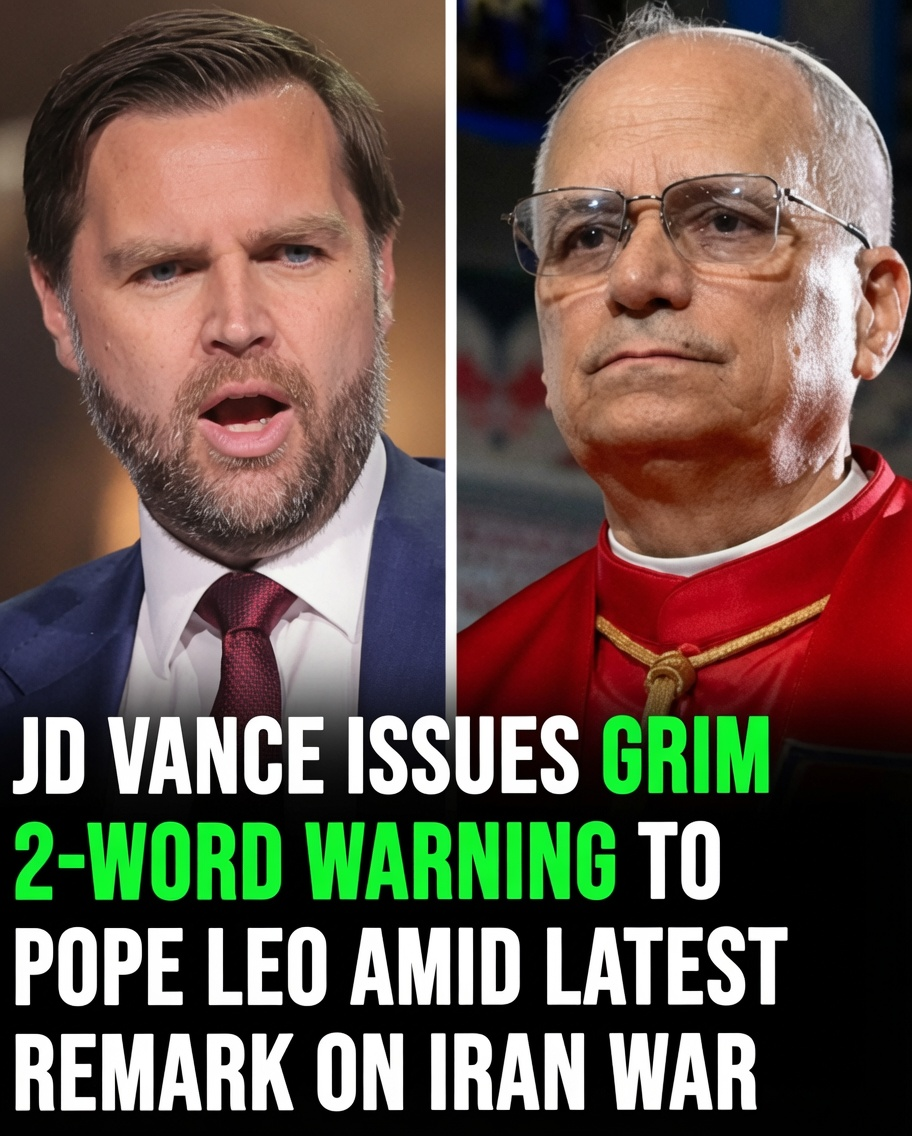
Tensions between political leadership and religious authority reached new heights when Vice President JD Vance publicly cautioned Pope Leo XIV to “be careful” regarding comments on theology and international conflicts. The exchange, unfolding alongside recent statements from former President Donald Trump, has ignited widespread discussion about the proper boundaries between church and state in modern times.
The controversy intensified after Pope Leo XIV addressed the bombing of civilian infrastructure in moral terms, emphasizing the protection of human life and criticizing actions driven by power rather than compassion. The Vatican framed these statements as consistent with longstanding Catholic social teaching on war and peace. However, the White House viewed them as crossing into political territory, prompting a firm response.
Vance’s direct message
Vice President Vance’s two-word warning—“be careful”—came as part of broader remarks urging the Pope to focus on spiritual matters rather than political commentary. He invoked historical examples where religious leaders and states clashed over authority, arguing that national security decisions belong primarily to elected officials. Trump had earlier dismissed the Pope’s remarks as overly political, drawing both support from some quarters and concern from others about escalating rhetoric.
The public nature of the exchange surprised many observers, highlighting ongoing friction between the current administration and the Vatican on issues ranging from foreign policy to social values. Allies on both sides quickly weighed in, with some praising the pushback against perceived religious overreach and others warning that such confrontations damage important moral dialogue.
Deeper questions at stake
At its core, this disagreement touches on fundamental questions about authority in times of crisis. Who holds the ultimate voice on moral issues—political leaders accountable to voters or spiritual figures guided by religious tradition? Throughout history, popes and presidents have sometimes aligned and sometimes conflicted on matters of war, poverty, and human dignity. The current tensions reflect broader cultural divides about the role of faith in public life.
Pope Leo XIV’s comments align with the Catholic Church’s long tradition of speaking on social justice, even when uncomfortable for governments. Previous popes have addressed everything from nuclear weapons to economic inequality, often drawing criticism from various political sides. Supporters argue this prophetic voice remains essential for reminding leaders of ethical considerations beyond immediate strategic interests.
Reactions and implications
The exchange has prompted varied responses across religious, political, and international communities. Some see it as necessary defense of national sovereignty, while others worry it risks alienating important moral voices at a time of global uncertainty. Catholic leaders and theologians continue debating how best to engage with political power while maintaining independence.
For everyday observers, the situation raises personal questions about balancing faith, patriotism, and critical thinking. Many appreciate religious perspectives on current events while also respecting democratic processes and elected leadership. Finding common ground remains challenging but vital in polarized times.
Looking ahead
As tensions continue, both the administration and the Vatican face choices about how to navigate this relationship moving forward. History shows that periods of friction between church and state can lead to greater clarity about respective roles or deeper divisions, depending on how leaders respond.
The incident serves as a reminder that faith and politics have intersected—and sometimes collided—for centuries. Whether this latest chapter leads to productive dialogue or further estrangement remains to be seen. In an increasingly complex world, the conversation about moral authority, compassion in policy, and the limits of power touches on values that affect everyone, regardless of political or religious affiliation.
The coming weeks and months will likely reveal whether these public warnings lead to meaningful engagement or continued standoff. For now, they underscore the enduring relevance of questions about power, conscience, and the common good that societies have wrestled with for generations.
Most Popular!
-
 Eggs, Cholesterol, and Timing: What Actually Matters for Most People
-
When a Partner Leaves With More Than a Suitcase: Protecting Yourself From Financial Betrayal
-
When Financial Support Meets Contempt: Recognizing Exploitation Inside a Marriage
-
Why Some Sensory Toys and Household “Hacks” Do Not Belong in the Microwave
-
When Grief Clouds Judgment: Misreading Silence and the Quiet Ways People Show Care
-
When One Partner Does All the Hosting: Recognizing Imbalance Before Resentment Takes Over
-
How Many Holes Are in a T-Shirt? What a Simple Puzzle Reveals About How We See
-
The Quiet Stories Inside Secondhand Objects: When a Thrift-Store Find Carries Someone Else’s History