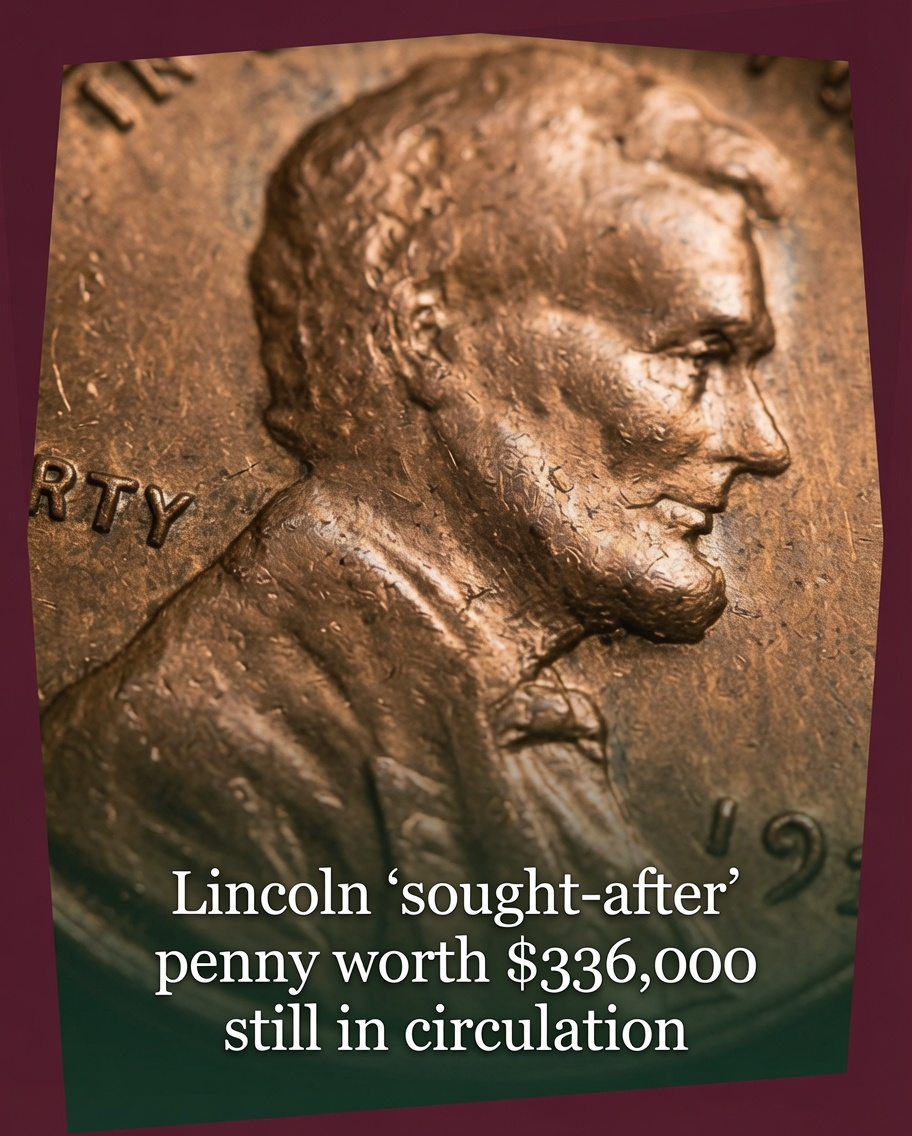
Coin collectors and everyday treasure hunters have long been fascinated by stories of ordinary pocket change hiding extraordinary value. Among the most legendary is the 1943 Bronze Lincoln Cent, a rare minting error that can command prices reaching hundreds of thousands of dollars. This accidental rarity continues to inspire people to examine their coin jars, hoping to discover a small piece of numismatic history worth a fortune.
During World War II, the U.S. Mint faced pressure to conserve copper for wartime ammunition and equipment. In 1943, they switched penny production from bronze to zinc-coated steel. However, a small number of leftover bronze planchets from previous years remained in the presses, resulting in a limited run of bronze 1943 cents. These “wrong metal” coins escaped into circulation, creating one of the most celebrated errors in American coinage history.
Why these pennies are so valuable
Experts estimate that fewer than 20 authentic examples exist across all mint marks (Philadelphia, Denver, and San Francisco). Their extreme scarcity, combined with the dramatic wartime story, drives exceptional market prices. Some specimens have sold for over a million dollars, though values typically range from tens of thousands to several hundred thousand depending on condition and provenance. Each coin carries unique characteristics that help experts verify authenticity and origin.
The appeal extends beyond pure investment potential. These pennies represent a fascinating intersection of history, industry, and chance. They symbolize the resourcefulness and pressures of the home front during WWII while offering a tangible connection to America’s industrial past. Collectors prize them as premier examples of mint errors that slipped through quality control.
How to check your coins
Identifying a potential 1943 bronze cent is relatively straightforward with a few simple tests. First, examine the date carefully—1943 steel cents are common, but bronze versions are exceptionally rare. A magnet test provides a quick clue: genuine steel cents are magnetic, while bronze ones are not. However, professional authentication through grading services remains essential, as counterfeits and altered coins exist in the market.
Look for proper weight, color, and surface characteristics. Bronze cents feel slightly heavier and display the characteristic copper tone rather than the grayish steel appearance. Any promising finds should be handled carefully and submitted to reputable third-party grading companies for verification.
Famous discovery stories
The legend of the 1943 bronze cent gained nationwide attention in the late 1940s when reports of these unusual coins began circulating. One of the most inspiring tales involves a Massachusetts teenager who found one in his change from lunch money. That single discovery eventually sold for a substantial sum and fueled public interest in coin hunting.
Similar stories continue emerging occasionally, reminding us that valuable coins can still surface in everyday places. While the odds remain slim, the possibility creates excitement for collectors and casual searchers alike. Many families now make checking old jars and inherited collections a fun shared activity.
Tips for aspiring coin hunters
Start by organizing and examining any accumulated change, especially older coins or those received as gifts. Focus on wheat pennies and other pre-1960 Lincoln cents, as these periods contain more potential rarities. Educational resources from numismatic organizations help build knowledge about key dates, mint marks, and error types.
Consider joining local coin clubs or online communities where enthusiasts share expertise and verification resources. Proper storage and documentation protect potential valuable finds while you seek professional appraisal. Remember that most coins hold primarily sentimental or modest collector value, but the thrill of the hunt remains rewarding regardless.
The enduring appeal of coin collecting
The story of the 1943 bronze Lincoln cent captures the democratic nature of numismatics—anyone with spare change has the chance to discover something extraordinary. It reminds us that history hides in ordinary places and that careful observation can yield surprising rewards. Whether you find a valuable rarity or simply enjoy learning about American coinage, the hobby offers intellectual stimulation, historical appreciation, and the occasional financial windfall.
Next time you sort through pocket change or old jars, take a closer look at those 1943 pennies. One of the rare bronze versions could be waiting silently among the ordinary steel ones, representing both a piece of wartime history and a potential life-changing treasure. The possibility, however remote, keeps the romance of coin collecting alive for enthusiasts and newcomers alike.
Most Popular!
-
 Eggs, Cholesterol, and Timing: What Actually Matters for Most People
-
When a Partner Leaves With More Than a Suitcase: Protecting Yourself From Financial Betrayal
-
When Financial Support Meets Contempt: Recognizing Exploitation Inside a Marriage
-
Why Some Sensory Toys and Household “Hacks” Do Not Belong in the Microwave
-
When Grief Clouds Judgment: Misreading Silence and the Quiet Ways People Show Care
-
When One Partner Does All the Hosting: Recognizing Imbalance Before Resentment Takes Over
-
How Many Holes Are in a T-Shirt? What a Simple Puzzle Reveals About How We See
-
The Quiet Stories Inside Secondhand Objects: When a Thrift-Store Find Carries Someone Else’s History