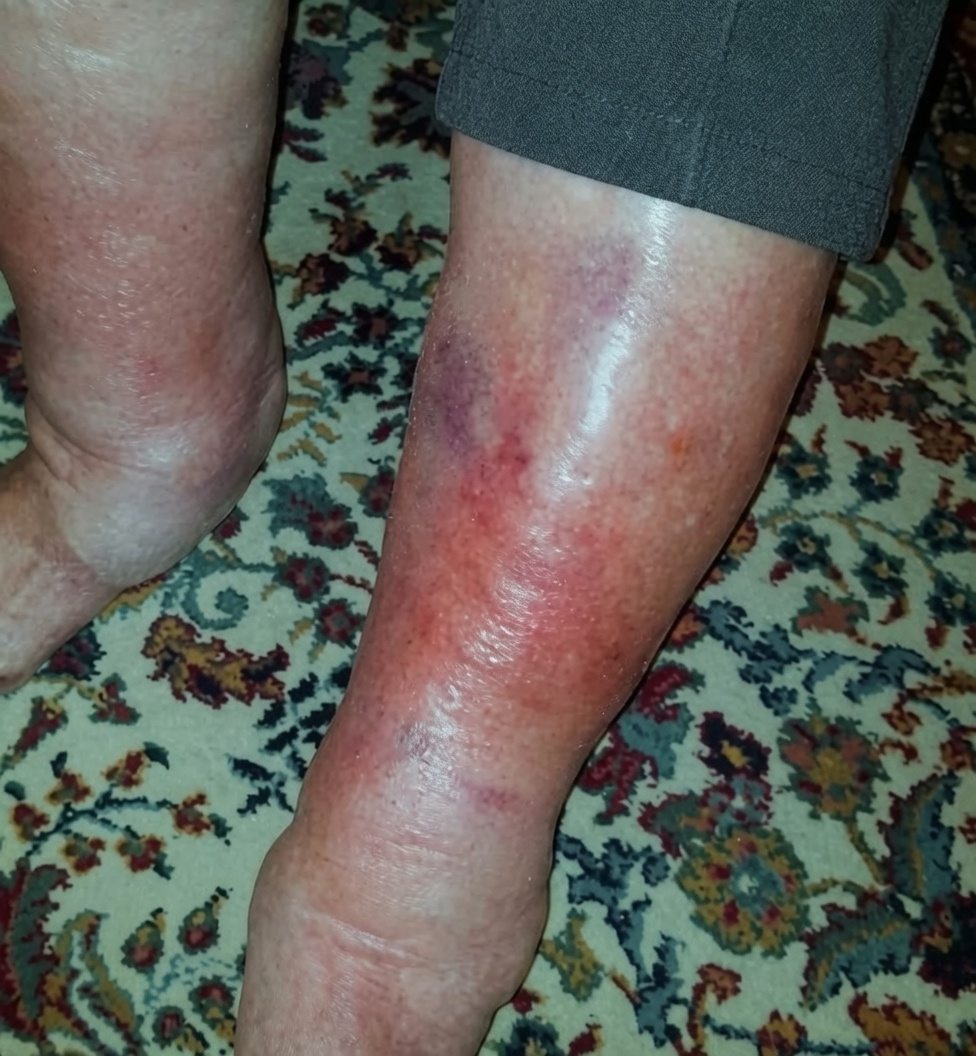
A tiny red spot or irritated patch on your skin often seems harmless. You might dismiss it as a bug bite, allergic reaction, or simple irritation. However, certain skin changes can signal the beginning of erysipelas, a bacterial infection that can progress quickly if left unchecked. Understanding this condition helps you recognize warning signs early and take appropriate action to protect your health.
Erysipelas primarily affects the upper layers of the skin but can involve the lymphatic system, potentially leading to more widespread complications. It typically starts with what appears to be a minor blemish before developing into a clearly defined, raised, red, and painful area. The borders often look sharp, distinguishing it from some other skin infections. Early recognition makes a significant difference in preventing escalation.
Common causes and entry points
Group A streptococcus bacteria usually cause erysipelas. These bacteria enter through small breaks in the skin, such as cuts, scrapes, insect bites, or even dry, cracked areas from conditions like athlete’s foot. People with compromised skin barriers face higher risk. Factors like diabetes, poor circulation, lymphedema, weakened immune systems, or previous episodes increase susceptibility. Age also plays a role, as older adults often have more fragile skin and slower healing responses.
The infection frequently appears on the legs but can develop on the face or other body areas. Rapid onset sometimes surprises people, with symptoms escalating within hours or days. This speed underscores why monitoring even minor skin changes matters, especially if accompanied by other signs.
Key symptoms beyond the skin
Skin redness, warmth, swelling, and pain represent the most noticeable features. However, systemic symptoms often accompany the infection as your body fights back. Fever, chills, fatigue, and general malaise may appear before or alongside visible skin changes. Swollen lymph nodes near the affected area signal the immune system’s active response. These flu-like symptoms help differentiate erysipelas from purely localized irritations.
Because symptoms can mimic other conditions initially, professional evaluation becomes essential when changes seem unusual or worsen rapidly. Prompt diagnosis allows for effective treatment before complications develop.
Treatment and recovery
Antibiotics form the cornerstone of erysipelas treatment, typically leading to improvement within several days when started early. Completing the full prescribed course remains crucial to prevent recurrence or antibiotic resistance. Supportive care includes rest, elevation of affected limbs, pain management, and staying hydrated. In more severe cases, hospitalization may be necessary for intravenous antibiotics and close monitoring.
Most people recover fully with appropriate care. However, some experience repeated episodes, particularly those with underlying risk factors. Long-term management focuses on addressing contributing conditions and maintaining excellent skin care routines.
Prevention strategies for everyday life
Good skin hygiene and prompt wound care significantly reduce risk. Clean and protect even minor cuts or bites. Manage chronic conditions like diabetes carefully, as they impair healing and increase infection vulnerability. Moisturizing regularly helps prevent cracks that serve as entry points for bacteria. For those with circulation issues or lymphedema, following medical advice on compression and skin protection proves especially important.
During travel or outdoor activities, taking extra precautions against insect bites and keeping skin clean minimizes exposure risks. Simple habits like proper foot care for athletes or those wearing tight shoes can prevent common entry points.
When to seek medical attention
Not every blemish requires a doctor visit, but certain red flags warrant prompt evaluation. Rapidly expanding redness, increasing pain, warmth, fever, or swollen glands should prompt medical consultation. Facial involvement deserves particular attention due to proximity to important structures. If you have underlying health conditions or a history of skin infections, err on the side of caution with any suspicious changes.
Early intervention typically leads to faster resolution and fewer complications. Dermatologists or primary care providers can accurately diagnose and recommend appropriate treatment plans tailored to individual circumstances.
Maintaining healthy skin awareness
Your skin serves as the body’s first line of defense. Paying attention to changes empowers you to respond effectively when something seems off. While most minor blemishes resolve harmlessly, recognizing when one might indicate something more serious like erysipelas promotes better health outcomes. Combining vigilance with preventive care creates the best defense against avoidable skin infections.
Educating yourself about conditions like erysipelas demystifies what might otherwise cause unnecessary worry or dangerous delays. Stay observant, practice good hygiene, manage chronic conditions proactively, and consult healthcare professionals when needed. Your skin—and overall health—will thank you for the attention.
Most Popular!
-
 Eggs, Cholesterol, and Timing: What Actually Matters for Most People
-
When a Partner Leaves With More Than a Suitcase: Protecting Yourself From Financial Betrayal
-
When Financial Support Meets Contempt: Recognizing Exploitation Inside a Marriage
-
Why Some Sensory Toys and Household “Hacks” Do Not Belong in the Microwave
-
When Grief Clouds Judgment: Misreading Silence and the Quiet Ways People Show Care
-
When One Partner Does All the Hosting: Recognizing Imbalance Before Resentment Takes Over
-
How Many Holes Are in a T-Shirt? What a Simple Puzzle Reveals About How We See
-
The Quiet Stories Inside Secondhand Objects: When a Thrift-Store Find Carries Someone Else’s History