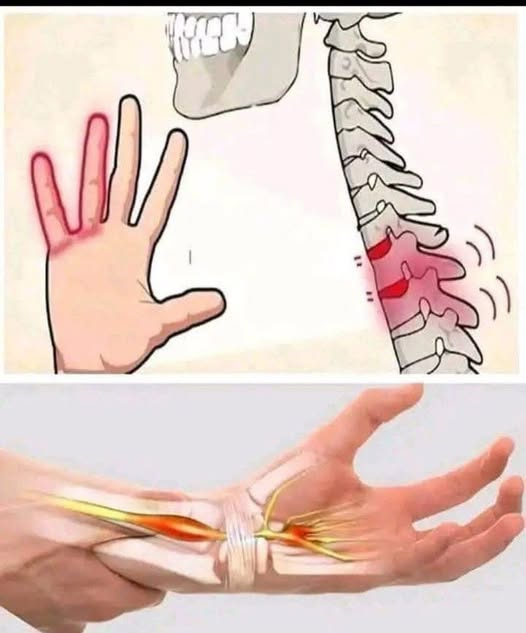
Nighttime hand numbness represents common experience while often causing concern about underlying health issues. This sensation of pins and needles or temporary loss of feeling usually results from temporary nerve compression during sleep. Understanding mechanisms helps reduce anxiety while identifying when professional medical evaluation becomes necessary. Awareness of contributing factors supports proactive approaches while promoting better sleep habits and overall wellness.
Nerve compression occurs when prolonged pressure affects pathways responsible for sensation and movement in hands. Sleeping positions that bend wrists or place weight on arms create these conditions while disrupting normal signal transmission. Temporary disruption leads to characteristic tingling while blood flow restoration creates returning sensation. These physiological responses represent protective mechanisms encouraging position changes while preventing prolonged damage.
Blood circulation plays crucial role while reduced flow during compression affects nerve function and oxygen delivery. Movement restores circulation while causing temporary tingling as systems return to normal operation. Understanding this process helps distinguish normal occurrences from potential medical concerns while reducing unnecessary worry. Regular position changes during sleep help minimize compression while supporting healthy nerve function.
Common causes include sleeping with arms under head or body while creating awkward wrist positions throughout night. Unsuitable pillows or mattresses may contribute to poor alignment while increasing pressure on nerves. Repetitive daytime activities like typing can predispose individuals to nighttime symptoms through cumulative strain. Identifying personal habits helps develop targeted solutions while improving sleep quality.
Medical conditions such as carpal tunnel syndrome involve median nerve compression while causing characteristic nighttime symptoms. Diabetes-related neuropathy affects nerve health while creating numbness and tingling sensations. Spinal issues or multiple sclerosis may also manifest through hand symptoms while requiring professional evaluation. Understanding these possibilities helps determine when medical consultation becomes appropriate.
Warning signs warranting medical attention include persistent numbness beyond waking, accompanying weakness or pain, or symptoms affecting both hands regularly. Frequency and duration of episodes provide important indicators while helping differentiate normal variation from potential problems. Early intervention often leads to better outcomes while preventing progression of underlying conditions. Professional assessment provides accurate diagnosis while guiding appropriate treatment.
Daily habits influence nighttime symptoms while repetitive motions or poor posture contribute to nerve stress. Regular breaks during work activities help prevent cumulative strain while maintaining healthy circulation. Proper ergonomics supports wrist alignment while reducing pressure on important nerve pathways. These preventive measures complement good sleep practices while addressing root causes of symptoms.
Sleep environment modifications including supportive pillows and mattresses help maintain proper alignment while reducing nerve compression. Comfortable clothing without tight restrictions promotes better circulation while avoiding unnecessary pressure points. Consistent sleep routines support overall nervous system health while minimizing disruptions that contribute to symptoms. These adjustments create foundation for restful sleep while addressing physical comfort.
Holistic approaches to nerve health include balanced nutrition, regular physical activity, and stress management while supporting overall wellness. Hydration and nutrient-rich foods provide essential support for nerve function while reducing inflammation. Exercise promotes circulation while helping maintain healthy weight that reduces pressure on joints and nerves. These lifestyle factors work together while contributing to comprehensive health strategy.
Taking proactive steps to understand and address hand numbness helps maintain quality of life while preventing potential complications. Regular self-assessment combined with professional guidance when needed supports optimal outcomes while addressing both normal variations and medical concerns. Continued attention to sleep habits and daily routines helps minimize symptoms while promoting overall well-being. This balanced approach empowers individuals while supporting long-term health management.
Most Popular!
-
 Eggs, Cholesterol, and Timing: What Actually Matters for Most People
-
When a Partner Leaves With More Than a Suitcase: Protecting Yourself From Financial Betrayal
-
When Financial Support Meets Contempt: Recognizing Exploitation Inside a Marriage
-
Why Some Sensory Toys and Household “Hacks” Do Not Belong in the Microwave
-
When Grief Clouds Judgment: Misreading Silence and the Quiet Ways People Show Care
-
When One Partner Does All the Hosting: Recognizing Imbalance Before Resentment Takes Over
-
How Many Holes Are in a T-Shirt? What a Simple Puzzle Reveals About How We See
-
The Quiet Stories Inside Secondhand Objects: When a Thrift-Store Find Carries Someone Else’s History