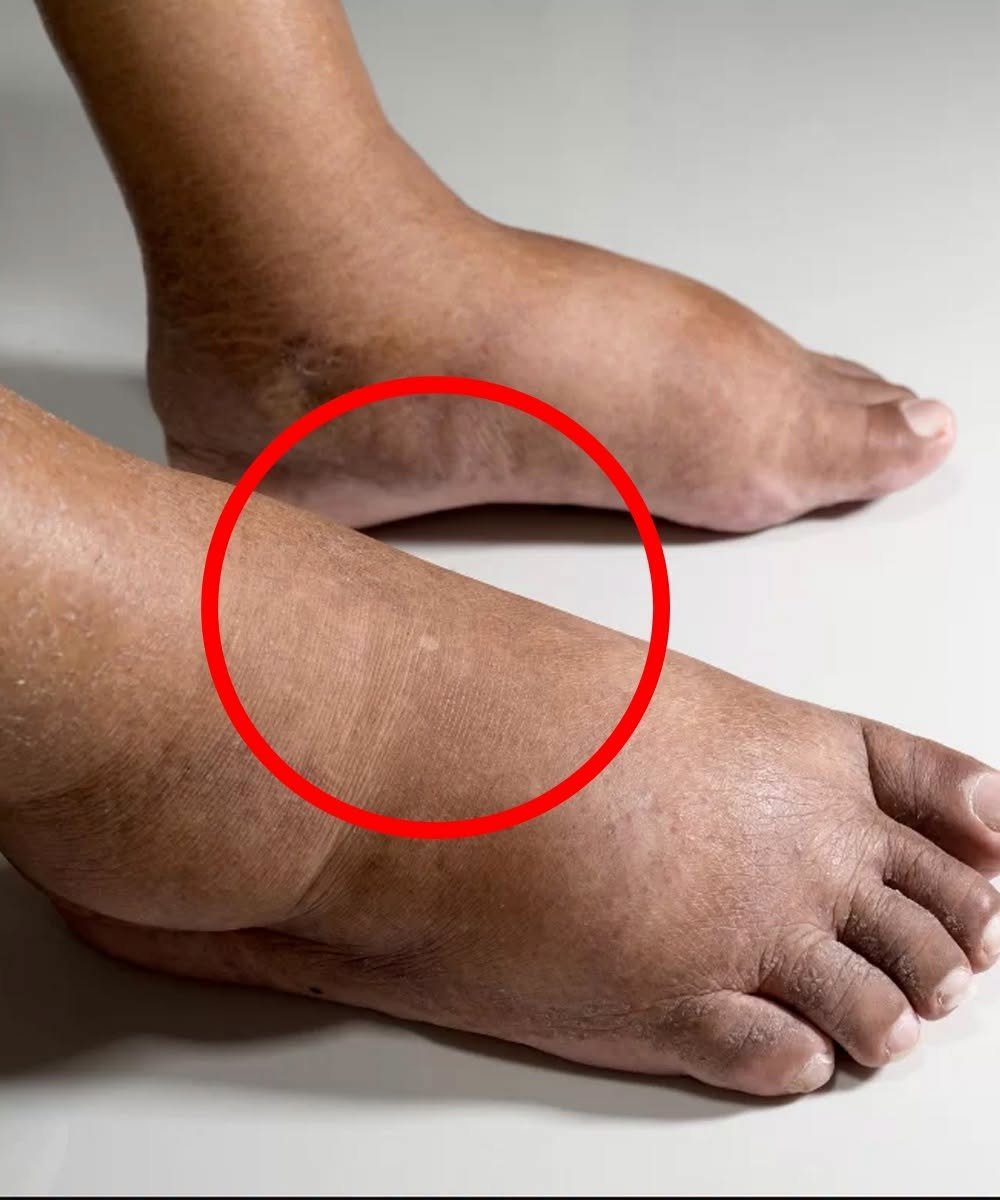
Swollen feet, also known as edema, affect millions of people and can range from mild discomfort to signs of more serious health issues. This condition occurs when excess fluid builds up in tissues, causing feet and ankles to appear puffy and uncomfortable. Many experience it after long periods of standing, during pregnancy, or following certain activities. Understanding common causes and effective natural remedies helps manage symptoms while knowing when professional medical attention becomes necessary for underlying conditions.
One frequent cause involves prolonged sitting or standing that affects circulation in lower extremities. Gravity pulls fluid downward, leading to accumulation when movement is limited. Hot weather often worsens swelling because blood vessels expand, allowing more fluid to leak into surrounding tissues. High sodium diets contribute significantly by causing water retention throughout the body. These lifestyle factors explain why many people notice increased swelling during travel or busy workdays requiring extended periods in one position.
Pregnancy commonly triggers edema due to hormonal changes and increased pressure on blood vessels from the growing uterus. Many expectant mothers experience swollen feet particularly in later trimesters. Poor circulation related to age or medical conditions can also contribute, especially among older adults. Certain medications including blood pressure drugs and anti-inflammatory treatments list swelling as potential side effects. Injuries or infections in the feet and legs naturally cause localized inflammation and fluid buildup as part of the healing process.
While mild swelling often resolves with simple lifestyle adjustments, certain symptoms warrant immediate medical evaluation. Sudden swelling affecting only one foot may indicate blood clots requiring urgent attention. Redness, warmth, or significant pain alongside swelling suggests possible infection or other serious conditions. Shortness of breath or chest discomfort combined with leg swelling could signal heart-related issues needing prompt professional care. Recognizing these warning signs helps prevent complications from progressing.
Natural remedies offer supportive relief for mild cases while complementing medical treatment when necessary. Various herbs have traditionally been used to support circulation and reduce inflammation. Ginkgo biloba may improve blood flow while providing antioxidant protection for blood vessels. Calendula offers soothing properties suitable for foot soaks or creams. Butcher’s broom supports vein health and reduces feelings of heaviness in legs. These options provide gentle alternatives for those seeking natural approaches to symptom management.
Ginger and turmeric stand out for their well-studied anti-inflammatory properties. Ginger tea or meals containing fresh ginger support circulation while turmeric’s curcumin compound offers powerful antioxidant benefits. Dandelion acts as a natural diuretic helping eliminate excess fluid from the body. Rosemary stimulates circulation and can be used in foot baths or massage oils. These common kitchen herbs provide accessible options for daily wellness routines supporting vascular health.
Simple foot soaks using herbs like chamomile or witch hazel offer soothing relief after long days. Warm water combined with these ingredients helps reduce discomfort and promote relaxation. Elevating feet above heart level for twenty minutes several times daily improves circulation and reduces fluid accumulation. Staying hydrated, reducing sodium intake, and incorporating regular movement throughout the day provide foundational support for managing edema effectively.
While herbal remedies and lifestyle changes help many people, consulting healthcare professionals remains important for persistent swelling. Underlying conditions like heart, kidney, or liver issues require proper medical management beyond home treatments. Pregnant women should discuss any swelling with their doctors to rule out complications. Individual responses to herbs vary, making professional guidance essential especially when taking medications or having existing health conditions.
This common condition affects quality of life for many but responds well to combined approaches addressing both symptoms and root causes. Understanding personal triggers helps develop effective management strategies tailored to individual lifestyles. Regular movement, proper hydration, and mindful salt consumption form foundations for prevention. Natural remedies offer additional support when used responsibly alongside professional medical advice.
Swollen feet serve as important signals from our bodies worth paying attention to rather than ignoring. By combining lifestyle awareness with appropriate remedies, many find significant relief and improved comfort. This condition reminds us that small daily habits significantly impact overall wellness and comfort. Taking proactive steps toward better circulation and reduced inflammation leads to healthier, more comfortable lives for people of all ages.
Most Popular!
-
 Eggs, Cholesterol, and Timing: What Actually Matters for Most People
-
When a Partner Leaves With More Than a Suitcase: Protecting Yourself From Financial Betrayal
-
When Financial Support Meets Contempt: Recognizing Exploitation Inside a Marriage
-
Why Some Sensory Toys and Household “Hacks” Do Not Belong in the Microwave
-
When Grief Clouds Judgment: Misreading Silence and the Quiet Ways People Show Care
-
When One Partner Does All the Hosting: Recognizing Imbalance Before Resentment Takes Over
-
How Many Holes Are in a T-Shirt? What a Simple Puzzle Reveals About How We See
-
The Quiet Stories Inside Secondhand Objects: When a Thrift-Store Find Carries Someone Else’s History