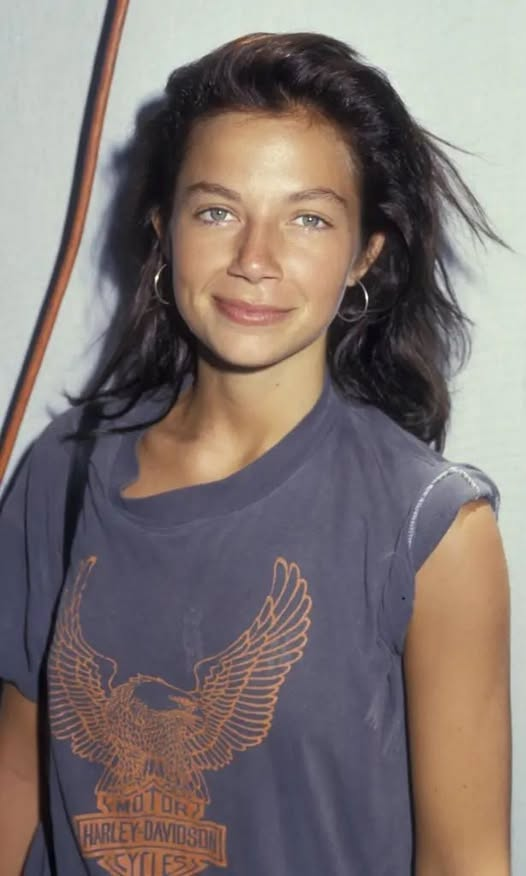
Hollywood has long maintained strict standards about appearance, particularly for women, pressuring them to remain youthful through various interventions. Justine Bateman, beloved for her role in the iconic 1980s sitcom Family Ties, has become a powerful voice challenging these expectations. Now in her late 50s, she openly embraces natural aging with gray hair and visible lines, rejecting cosmetic procedures in favor of authenticity. Her stance has sparked important conversations about self-acceptance, beauty standards, and the courage required to defy industry norms in pursuit of genuine confidence.
Justine rose to fame playing the sharp-witted Mallory Keaton, capturing hearts with her charm and relatable personality. The show became a cultural phenomenon, making her a household name and symbol of 80s television. Like many young stars, she faced intense scrutiny about her looks throughout her career. However, as decades passed and societal pressures intensified, Justine made a deliberate choice to age naturally rather than conform to expectations of perpetual youth. This decision reflects deeper values about self-worth beyond physical appearance.
Her philosophy centers on dignity and personal comfort rather than external validation. Justine has spoken candidly about refusing to alter her face for others’ comfort or industry demands. She views wrinkles and gray hair as natural markers of lived experience rather than flaws needing correction. This perspective challenges the narrative that women must fight aging to remain relevant or attractive. By embracing her changing reflection, she models confidence that comes from within rather than manufactured perfection.
Critics and online commentators often respond harshly to her natural appearance, highlighting the toxic standards still prevalent in entertainment and society. Justine acknowledges these reactions but remains committed to her principles. Her willingness to face judgment demonstrates remarkable strength developed through years in the spotlight. Many women facing similar pressures find inspiration in her example of prioritizing peace over approval.
Justine’s approach extends beyond personal choice to broader advocacy for self-acceptance. She encourages women to make decisions based on internal values rather than societal mandates. Whether choosing procedures or natural aging, the key remains acting from self-love rather than fear or external demands. This balanced view promotes freedom and reduces shame associated with aging processes that affect everyone eventually.
Her career evolution shows versatility beyond early fame. While stepping back from constant acting, Justine pursued writing and directing projects aligning with her creative interests. This shift allowed greater control over her professional life and personal image. Success outside traditional Hollywood paths proves talent and relevance extend far beyond youthful appearances or specific roles.
Justine’s story resonates particularly with women navigating midlife changes in a youth-obsessed culture. Many feel invisible or pressured to “fix” natural aging signs. Her visibility as an unapologetically aging woman provides representation missing from mainstream media. Discussions sparked by her choices help normalize conversations about beauty, worth, and personal agency across all life stages.
The actress maintains that confidence comes from authenticity rather than perfection. Her message encourages examining motivations behind beauty decisions and choosing paths bringing genuine peace. This thoughtful approach contrasts sharply with marketing that equates youth with value. By living her truth publicly, Justine challenges industries profiting from insecurity while empowering individuals to define beauty personally.
Her journey offers valuable lessons about resilience and self-definition. Early fame brought opportunities but also limitations that she eventually outgrew. Choosing authenticity over continued conformity required courage many admire. Justine Bateman continues redefining success and beauty through actions rather than appearances, inspiring others to do the same.
In embracing every stage of life openly, Justine demonstrates that true confidence transcends physical changes. Her story reminds us that aging represents accumulated wisdom and experiences rather than loss. By refusing to hide natural evolution, she reclaims power from unrealistic standards and encourages similar freedom for everyone. True beauty, she shows, lies in living authentically regardless of age or others’ opinions.
Most Popular!
-
 Eggs, Cholesterol, and Timing: What Actually Matters for Most People
-
When a Partner Leaves With More Than a Suitcase: Protecting Yourself From Financial Betrayal
-
When Financial Support Meets Contempt: Recognizing Exploitation Inside a Marriage
-
Why Some Sensory Toys and Household “Hacks” Do Not Belong in the Microwave
-
When Grief Clouds Judgment: Misreading Silence and the Quiet Ways People Show Care
-
When One Partner Does All the Hosting: Recognizing Imbalance Before Resentment Takes Over
-
How Many Holes Are in a T-Shirt? What a Simple Puzzle Reveals About How We See
-
The Quiet Stories Inside Secondhand Objects: When a Thrift-Store Find Carries Someone Else’s History