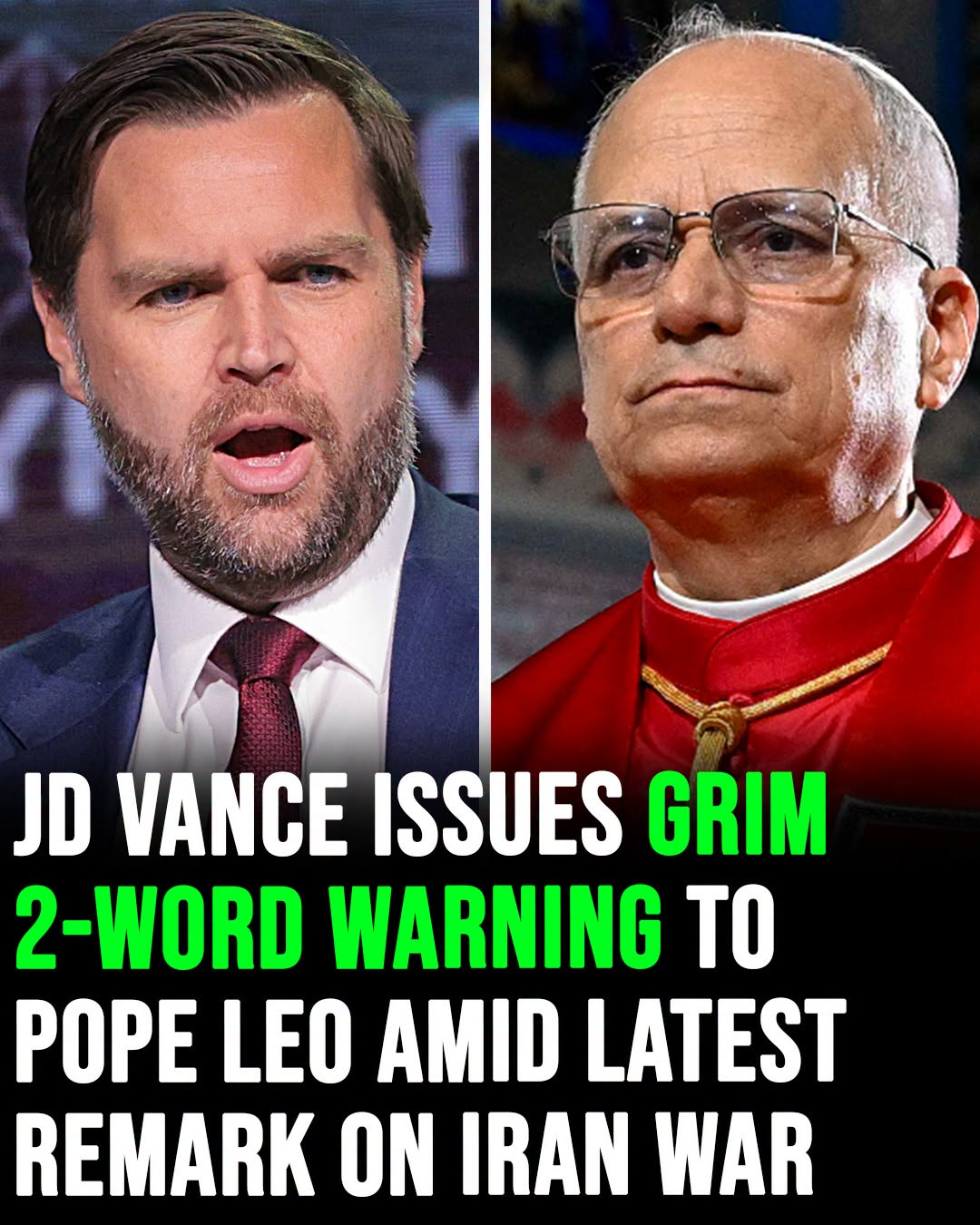
Vice President JD Vance’s recent ultimatum directed at Pope Leo has ignited fierce debate about separation of church and state, moral authority in politics, and future of religious influence in American public life. The strongly worded statement challenging the pontiff’s positions on key issues has sent ripples through both political and religious communities, raising questions about appropriate boundaries between faith and governance in modern democracy. This extraordinary confrontation between prominent Catholic politician and Vatican leadership has captured international attention while highlighting deep divisions within American society about role of religion in shaping national policy and cultural values.
Vance’s criticism specifically targeted Pope Leo’s public commentary on immigration, economic justice, and international conflicts, suggesting that religious leaders should focus primarily on spiritual matters rather than political advocacy that could influence American voters and policy decisions. The vice president’s remarks carried particular weight given his own Catholic background and position within administration that has sometimes found itself at odds with traditional religious institutional positions. Supporters praised Vance for defending American sovereignty and separation of church and state principles while critics viewed his statement as disrespectful attack on moral authority of Catholic Church with global influence.
The Vatican’s response emphasized church’s longstanding tradition of speaking on moral issues affecting human dignity and social justice regardless of national boundaries or political convenience. Pope Leo’s measured reply highlighted Catholic social teaching principles that have guided church positions on various contemporary challenges. This philosophical difference between American political pragmatism and Vatican emphasis on universal moral framework created compelling narrative that continues generating discussion among religious leaders, political analysts, and general public. The exchange reflects ongoing negotiation about appropriate roles of faith communities in democratic societies.
American Catholic community has found itself navigating complex loyalties as believers process high-profile disagreement between prominent political figure and church leadership. Some express support for Vance’s defense of national interests while others defend Pope Leo’s right to address moral dimensions of public policy. Church leaders have worked to maintain unity while acknowledging legitimate concerns about boundaries between religious guidance and political decision-making. The controversy has prompted soul-searching within Catholic community about balancing faith convictions with civic responsibilities in pluralistic society.
International reactions have revealed global interest in American political dynamics and their potential influence on worldwide Catholic Church policies. European nations with strong Catholic traditions often align more closely with Vatican perspectives on humanitarian issues while some conservative governments express support for Vance’s emphasis on national sovereignty. The situation transcends American domestic politics to become matter of international significance as various countries assess implications for their own relationships with both United States and Catholic Church. Global religious communities watch developments closely for potential impact on interfaith relations and moral discourse.
Media coverage has been sharply divided along ideological lines with different outlets presenting contrasting interpretations of Vance’s ultimatum and its appropriateness. Conservative sources tend to support his challenge to religious institutional influence in politics while progressive media frames incident as concerning attack on moral authority during time of global challenges requiring ethical guidance. This polarization in reporting contributes to public confusion as citizens struggle to separate factual developments from partisan analysis. The controversy underscores challenges of maintaining informed public discourse in fragmented media environment.
As situation continues developing, both White House and Vatican appear committed to managing fallout while maintaining core positions on relevant issues. Diplomatic channels work behind scenes to prevent further escalation while addressing substantive policy disagreements that prompted initial confrontation. The controversy ultimately serves as reminder about complex interplay between faith, politics, and morality in addressing national and global challenges that transcend simple partisan divisions. Finding constructive ways to navigate these tensions remains crucial for maintaining social cohesion and effective governance in diverse democratic society.
The chilling ultimatum from JD Vance to Pope Leo represents significant moment in contemporary American relations between political leadership and religious authority. While shocking to many, the exchange reflects deeper philosophical differences about appropriate roles of religious institutions in political discourse. As nation grapples with complex issues requiring both practical governance and moral consideration, such high-profile disagreements highlight ongoing negotiation between secular authority and spiritual influence that has characterized American experiment since its founding. The coming weeks will reveal whether this confrontation leads to lasting damage or creates opportunities for more nuanced dialogue about faith’s proper place in public square. The stakes extend beyond personal disagreement to fundamental questions about soul of America and how best to balance competing values in pluralistic society facing uncertain future. Vigilance and commitment to democratic principles will determine how this latest challenge to church-state relations ultimately resolves.
Most Popular!
-
 Eggs, Cholesterol, and Timing: What Actually Matters for Most People
-
When a Partner Leaves With More Than a Suitcase: Protecting Yourself From Financial Betrayal
-
When Financial Support Meets Contempt: Recognizing Exploitation Inside a Marriage
-
Why Some Sensory Toys and Household “Hacks” Do Not Belong in the Microwave
-
When Grief Clouds Judgment: Misreading Silence and the Quiet Ways People Show Care
-
When One Partner Does All the Hosting: Recognizing Imbalance Before Resentment Takes Over
-
How Many Holes Are in a T-Shirt? What a Simple Puzzle Reveals About How We See
-
The Quiet Stories Inside Secondhand Objects: When a Thrift-Store Find Carries Someone Else’s History