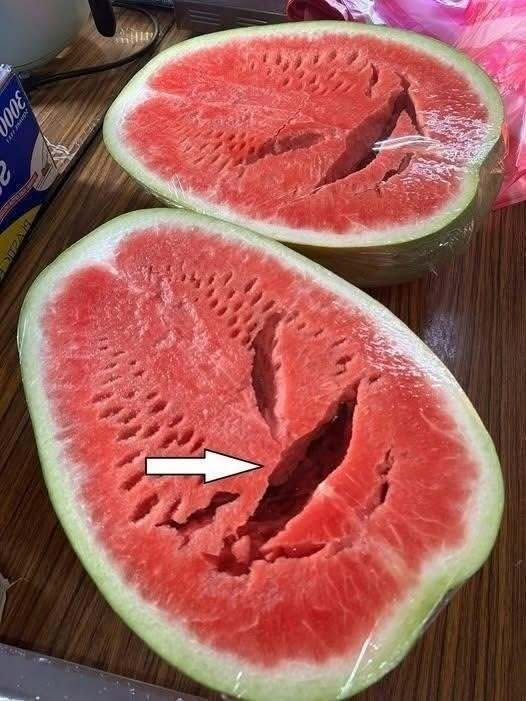
You slice into what looks like a perfect, juicy watermelon on a hot summer day, only to discover strange internal cracks, hollow spaces, or fibrous patterns running through the bright red flesh. That moment of disappointment is common, and it often leaves people wondering if the fruit is spoiled, chemically altered, or even dangerous. In an age of heightened food safety awareness, it’s natural to question what those imperfections really mean. The good news is that most cracked watermelons are perfectly safe to enjoy, though they may not deliver the ideal texture you were hoping for. Understanding why these cracks form and how to evaluate the fruit can help you make smarter choices at the store and reduce waste without unnecessary worry.
Watermelons are living, biological products influenced heavily by growing conditions, and their internal structure is more delicate than many realize. One of the most frequent causes of internal cracking, often called “hollow heart,” occurs when the fruit experiences inconsistent water supply during development. A period of drought followed by heavy rain or irrigation can cause the flesh to expand faster than the rind can accommodate, creating voids or splits inside. Poor pollination during flowering can also lead to uneven growth patterns, resulting in those mysterious fibrous webs or empty chambers. These are essentially the fruit’s version of stretch marks or minor structural imperfections rather than signs of toxicity or spoilage.
Modern agricultural practices sometimes play a role too, though not always in the alarming ways social media claims. Plant growth regulators and careful irrigation management help farmers meet market demands for consistent size and appearance. While some consumers worry about chemical influences, regulated use of these tools is designed to produce safe, high-quality fruit. The vast majority of watermelons reaching grocery stores, even those with internal flaws, meet safety standards and pose no health risk when properly handled. The real dangers with any melon come from external damage, improper storage, or bacterial contamination after cutting—not from natural growth variations.
Learning to evaluate a watermelon before buying is one of the best ways to avoid disappointment. Look for a fruit that feels heavy for its size, indicating good water content and ripeness. A creamy yellow “field spot” on the bottom shows it spent adequate time on the ground maturing in the sun. The rind should be firm, dull rather than overly shiny, and free from major bruises or soft spots. A dry, brown stem is often a positive sign of full ripeness. Once you get it home, store whole watermelons at room temperature until cutting, then refrigerate the leftovers promptly in an airtight container to maintain freshness and safety.
If you do cut into a cracked melon, use your senses as the final judge. A fresh watermelon should smell sweet and clean, with crisp, vibrant flesh. If it has a sour, fermented, or off odor, or if the texture is overly mushy or slimy, it’s time to discard it. Minor internal cracks or hollow areas don’t automatically mean the fruit is bad—they often make the melon slightly sweeter because sugars concentrate around those spaces. Many experienced growers actually prefer slightly imperfect specimens for their flavor intensity. The key is distinguishing between cosmetic quirks from growing conditions and genuine spoilage.
Beyond safety, cracked watermelons still deliver impressive nutritional benefits. They’re packed with hydration, lycopene for heart and skin health, vitamins A and C, and antioxidants that support overall wellness during hot weather. Rather than tossing a less-than-perfect melon, consider creative uses that mask any textural differences: blending into smoothies, freezing into popsicles, mixing into fruit salads, or pureeing for refreshing drinks. This approach reduces food waste while letting you enjoy the natural bounty of summer.
Farmers and produce experts emphasize that perfection in fruit is often more about marketing than reality. Commercial varieties are bred for uniformity and shelf life, but heirloom or locally grown options frequently show more natural variation—including the occasional hollow heart—while offering superior taste. Supporting local growers and farmers markets can connect you with higher-quality produce and deeper knowledge about growing practices in your region. Asking questions at the stand about harvest timing and variety can help you choose the best options.
For home gardeners growing their own watermelons, managing irrigation consistency is the best prevention against cracking. Mulching around plants helps retain soil moisture evenly, and avoiding extreme fluctuations in watering during fruit development minimizes stress. Proper spacing, adequate pollination support through companion planting or hand-pollination, and choosing resilient varieties also lead to fewer internal imperfections. Even with perfect care, some natural variation is inevitable and harmless.
The broader conversation around produce imperfections ties into larger issues of food system expectations. Decades of supermarket standards have trained consumers to demand flawless appearance, which can pressure growers into practices that prioritize looks over flavor or sustainability. Embracing minor cosmetic issues like small cracks encourages a more realistic, appreciative relationship with our food. It also reduces the massive amounts of perfectly edible produce discarded each year due to strict aesthetic guidelines.
When in doubt about any fruit or vegetable, remember the basic food safety principles: wash thoroughly before cutting, store properly, and trust your senses. Watermelons are relatively low-risk compared to some other produce, but cutting surfaces and knives should always be clean to prevent cross-contamination. Refrigerating cut portions promptly and consuming within a few days keeps them at their best.
Ultimately, those mysterious cracks in a watermelon are far more likely to be a sign of natural growing conditions than a reason to panic. By learning what to look for when selecting fruit, storing it wisely, and using your senses when evaluating it at home, you can enjoy this summer staple with confidence. Watermelon remains one of the most refreshing, nutritious, and hydrating treats available—cracks and all. The next time you bring one home and discover an imperfect interior, remember that nature rarely produces perfection, but it almost always produces something delicious and beneficial when handled with care.
Small shifts in how we approach our food—focusing on freshness, origin, and sensible evaluation rather than flawless appearance—lead to less waste, better meals, and a healthier relationship with what we eat. Those internal fissures don’t have to ruin your plans for a juicy slice or blended drink. With a bit of knowledge and the willingness to embrace natural variation, you can turn potential disappointment into appreciation for the real, imperfect bounty that summer provides. Your next watermelon might not look Instagram-perfect inside, but it can still be wonderfully sweet, hydrating, and safe to enjoy with family and friends.
Most Popular!
-
 The Silent Killer Hiding in Your Fridge: Why Your Refreshing Coconut Water Could Send You Straight to the ER
-
The Alarming Health Rumor That Nearly Paralyzed America: How a Single False Claim Exposed the Fragility of Our Information Age
-
Your Sitting Position Is Silently Revealing Your Deepest Secrets – What Your Body Language Is Telling Everyone Around You
-
The Sleeping Monster Inside You: Why a Childhood Virus Could Suddenly Erupt Into Years of Unbearable Pain
-
The Shocking Transformation of Barron Trump: Is This Really the Same Quiet Teen We Once Knew?
-
The Vicks VapoRub Hack That’s Making Spiders Flee Your Home in Terror
-
The Forgotten Queen of Hollywood: Angie Dickinson’s Quiet, Lonely Final Chapter
-
Trump’s Bold Tax Plan for Seniors Over 65: A Game-Changer That Could Put Real Money Back in Retirees’ Pockets