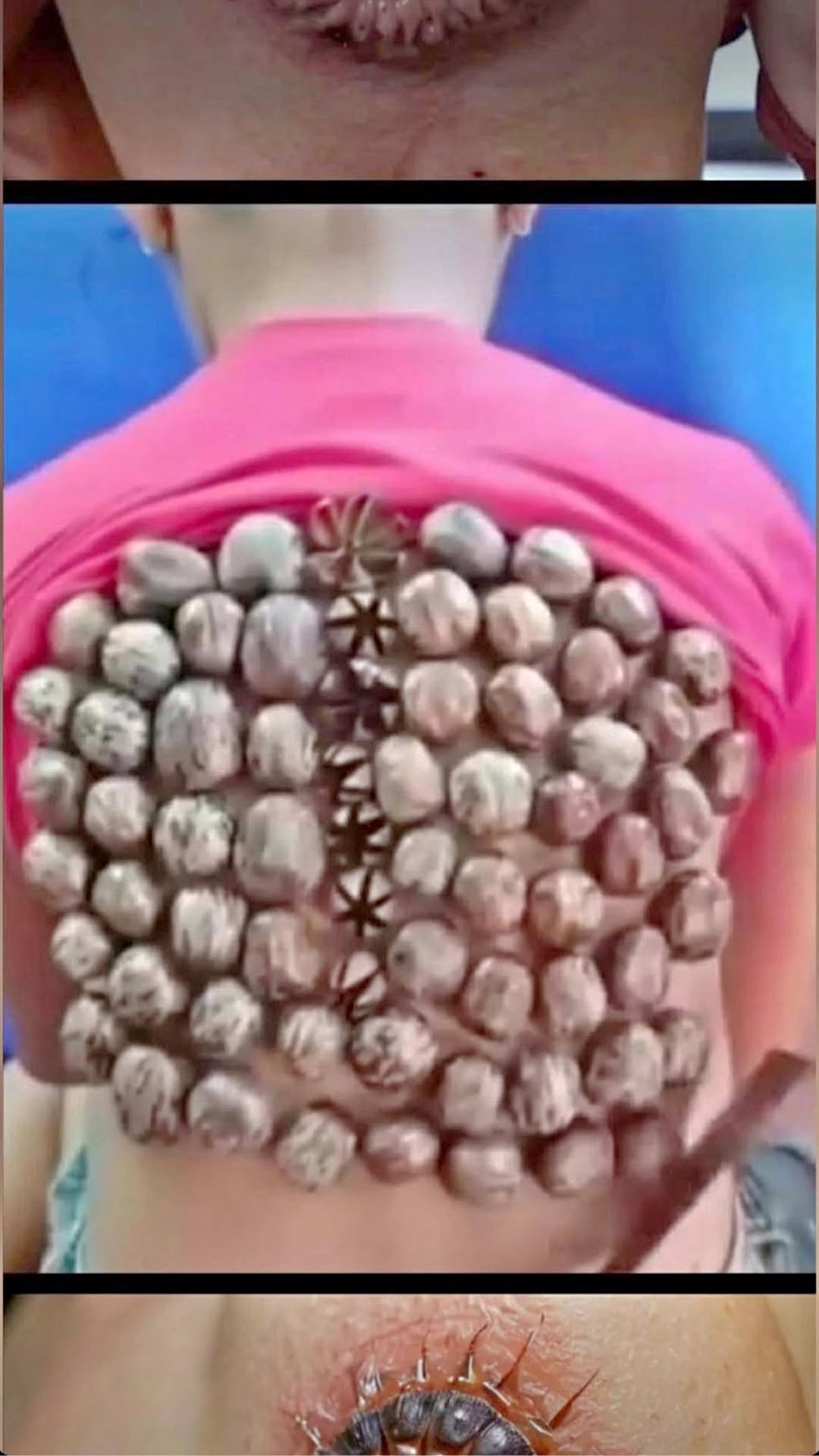
Every morning, millions of people wake up, look in the mirror, and feel their confidence crumble. What starts as a few stubborn bumps can quickly spiral into painful cysts, dark scars, and a constant battle that affects everything from self-esteem to social interactions. This isn’t just “teenage acne” that magically disappears after high school. It’s a widespread, often misunderstood skin epidemic that continues to devastate adults well into their 30s, 40s, and beyond. The emotional toll is enormous, leading to anxiety, depression, and isolation for countless individuals who feel powerless against their own skin. Understanding why this condition persists and how to fight back effectively is more important now than ever before.
Acne develops when hair follicles become clogged with oil, dead skin cells, and bacteria. The sebaceous glands produce too much sebum, creating the perfect environment for inflammation. While many blame poor hygiene or chocolate, the real culprits are far more complex. Hormonal fluctuations play a massive role, especially during puberty, menstrual cycles, pregnancy, and menopause. Androgens, often called male hormones but present in everyone, stimulate oil production. When these hormones surge, pores become breeding grounds for Cutibacterium acnes, the bacteria naturally present on skin that turns aggressive when trapped. Genetics also load the gun — if your parents struggled with breakouts, your risk skyrockets due to inherited pore structure and inflammatory responses.
Lifestyle factors fuel the fire in ways most people don’t realize. Chronic stress triggers cortisol release, which boosts oil production and worsens inflammation. Diets high in refined sugars, dairy, and processed foods can spike insulin levels, indirectly increasing sebum. Environmental pollutants, friction from tight clothing or masks, and pore-clogging cosmetics add layers of irritation. For adults, especially women balancing careers and family, these triggers compound daily, turning occasional breakouts into chronic battles. The psychological impact compounds the physical damage, creating a vicious cycle where anxiety about appearance leads to more stress and more breakouts.
The different forms of acne tell their own stories of severity. Blackheads and whiteheads represent milder blockages, while papules and pustules bring redness and pus. Nodules and cysts dig deeper, causing painful lumps that risk permanent scarring. Many adults suffer from hormonal acne along the jawline and chin, often dismissed as “just a few pimples.” This dismissal delays proper treatment and allows damage to accumulate. Scarring — both physical and emotional — becomes the lasting legacy when the condition goes unaddressed.
Effective management requires addressing root causes rather than chasing quick fixes. Gentle, consistent skincare forms the foundation. Harsh scrubbing or over-drying strips the skin barrier, triggering more oil as a defense mechanism. Instead, a simple routine with non-comedogenic products works best: a mild cleanser twice daily, targeted treatments like benzoyl peroxide or salicylic acid, and a lightweight moisturizer. Retinoids stand out as gold-standard ingredients, accelerating cell turnover and preventing clogs before they form. For many, professional guidance from a dermatologist becomes essential when over-the-counter options fall short.
Hormonal treatments offer powerful solutions for persistent adult acne. Women often benefit from certain oral contraceptives or anti-androgen medications that balance internal triggers. In more severe cases, isotretinoin can dramatically reset skin function, though it requires careful medical supervision. Procedures like chemical peels, laser therapy, and professional extractions provide additional tools for clearing deep blockages and reducing scarring. The key is patience and consistency — clear skin rarely happens overnight, but sustained effort yields transformative results.
Diet and lifestyle adjustments can dramatically improve outcomes for many sufferers. Reducing high-glycemic foods and dairy helps stabilize hormones and inflammation for some individuals. Regular exercise lowers stress and improves circulation, while adequate sleep allows skin to repair itself. Stress management techniques like meditation or yoga break the anxiety-breakout cycle that traps so many. Environmental changes, such as using non-comedogenic makeup and regularly cleaning pillowcases, remove daily irritants that exacerbate the condition.
The emotional burden of chronic acne deserves equal attention to the physical symptoms. Feelings of shame, social withdrawal, and lowered self-worth affect millions daily. Support groups, therapy, and open conversations help normalize the struggle and reduce isolation. Many find strength in connecting with others facing similar challenges, sharing successful strategies and celebrating small victories together. Building confidence through non-appearance-based achievements also helps balance the emotional toll while skin improves.
Prevention and early intervention remain the most effective approaches. Teaching children proper gentle skincare habits sets them up for lifelong skin health. Adults should monitor hormonal changes and seek help at the first sign of persistent breakouts rather than waiting for severe damage. Regular dermatologist visits become especially valuable for those with family history or known risk factors. Modern treatments continue advancing, offering better solutions with fewer side effects than previous generations had available.
The acne epidemic affects far more than appearance. It impacts mental health, professional opportunities, and overall quality of life for millions worldwide. Yet with proper understanding and treatment, clear skin becomes an achievable goal rather than an impossible dream. The journey requires patience and the right combination of medical care, lifestyle adjustments, and self-compassion, but the results — restored confidence, reduced scarring, and freedom from constant worry — make every step worthwhile.
If you’re struggling with persistent breakouts that affect your daily life, know that you’re not alone and effective help exists. Consult a dermatologist, be consistent with treatment, and address both the physical and emotional aspects of the condition. Your skin can improve. Your confidence can return. And the reflection staring back at you in the mirror can finally become a source of pride rather than pain. The epidemic may be widespread, but individual victories happen every single day for those willing to take the first educated step toward healing.
Most Popular!
-
 The Woman at the Cafe: How a Simple Breakfast Became a Lifeline for a Lonely Boy
-
I’ve Made This Comfort Meal Countless Times — But Never This Delicious
-
The Day a 68-Year-Old Rider Turned a Hospital Ward Into a Family: Compassion, Patient Advocacy, and a Legacy That Keeps Rumbling
-
My Date Picked Up the Tab — Then Sent Me an Invoice: A Modern Dating Red Flag You Shouldn’t Ignore
-
12 Common Traits Seen in Adults Who Grew Up Without Steady Emotional Support — And How Healing Is Still Possible
-
The Night a Biker Became an Angel: A Story of Courage, Compassion, and the Power of Stopping to Help
-
5 Subtle Signs an Older Loved One Needs More Care and Attention — And How to Respond Before It’s Too Late
-
He Fired 37 Nannies in Two Weeks — Then One Domestic Worker Changed Everything for His Six Daughters