When my father first started complaining about food getting “stuck” in his throat, we all brushed it off as nothing serious. He was 68, retired, and had always been the strong, stoic type who powered through discomfort without complaint. “It’s just heartburn,” he’d say, reaching for another antacid. “Or maybe I ate too fast.” We nodded along, busy with our own lives, never imagining those casual dismissals were early red flags for something far more dangerous. What began as occasional swallowing difficulties slowly escalated over months until one terrifying evening when he couldn’t get any food or liquid down at all. That was the night we rushed him to the emergency room, hearts pounding, finally confronting the esophageal illness that had been silently progressing for far too long. The diagnosis that followed — Barrett’s esophagus with high-grade dysplasia — shook our entire family and taught us a lesson that every senior and their loved ones cannot afford to ignore.
Esophageal problems are deceptively quiet in their early stages. Unlike a heart attack that hits with dramatic chest pain, or a stroke that leaves visible weakness, issues with the esophagus often masquerade as minor digestive annoyances. Persistent heartburn, regurgitation, difficulty swallowing (dysphagia), unexplained weight loss, or a chronic cough can all be early indicators that something is wrong with the tube connecting your mouth to your stomach. For my father, the warning signs had been there for nearly two years: frequent indigestion after meals, the need to drink large amounts of water to push food down, and a nagging sensation that food was lingering too long in his throat. He attributed it to aging, spicy foods, or stress from retirement. We, his family, accepted those explanations because confronting the alternative felt too scary. That collective denial nearly cost him his life.
The esophagus is a muscular tube designed to move food smoothly from mouth to stomach. When its lining becomes damaged — often from long-term acid reflux — it can lead to Barrett’s esophagus, a condition where normal tissue is replaced by abnormal cells. This change significantly increases the risk of esophageal adenocarcinoma, a particularly aggressive form of cancer. What makes this especially dangerous for seniors is how easily symptoms are dismissed. Many older adults have lived with acid reflux for decades and assume it’s just part of getting older. They self-medicate with over-the-counter remedies instead of seeking proper medical evaluation. By the time difficulty swallowing becomes severe enough to cause alarm, the damage may already be advanced.
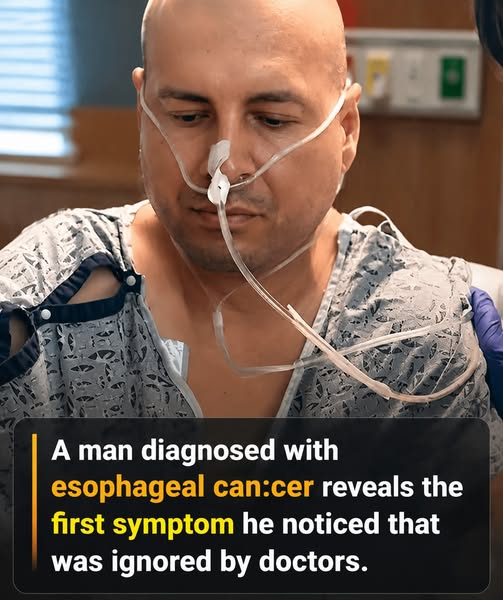
My father’s case followed this all-too-common pattern. He had been taking antacids daily for years, never mentioning the increasing trouble he had with solid foods. When he finally couldn’t swallow at all that frightening evening, the emergency endoscopy revealed severe inflammation, Barrett’s changes, and early cancerous cells. The doctors were blunt: if we had caught it even six months earlier, the outcome might have been dramatically different. Hearing those words in the sterile hospital room, watching my strong father suddenly look so fragile in his hospital gown, was one of the most painful moments of my life. It forced our family to confront how easily we had all minimized his symptoms because they didn’t fit the dramatic narrative we expected from serious illness.
Seniors face unique challenges when it comes to recognizing and reporting these symptoms. Many grew up in an era where complaining about health was seen as weakness. Others worry about being a burden to their adult children or facing expensive medical tests. Some simply don’t want to hear bad news. This combination of stoicism, fear, and denial creates dangerous delays. Medical experts now emphasize that anyone over 50 with chronic heartburn or swallowing difficulties should undergo screening, particularly if they have risk factors like smoking history, obesity, or long-term reflux. Early detection through endoscopy can identify precancerous changes before they become life-threatening.
The good news is that esophageal conditions are highly treatable when caught early. Lifestyle changes, medications to reduce acid production, and regular monitoring can prevent progression in many cases. For my father, treatment involved a combination of medication, dietary adjustments, and periodic surveillance endoscopies. He also made significant changes to his daily habits: eating smaller, more frequent meals, avoiding trigger foods like chocolate, caffeine, and spicy dishes, and elevating the head of his bed to reduce nighttime reflux. These adjustments, combined with medical care, helped stabilize his condition and gave him back a good quality of life.
Watching my father navigate this health crisis taught our family valuable lessons about communication and vigilance. We now check in more regularly about symptoms that might seem minor. We encourage open conversations about health concerns instead of brushing them off. Most importantly, we’ve learned that being a supportive family member sometimes means gently pushing a loved one to seek medical attention even when they insist they’re fine. That balance between respect and concern can be tricky, but it’s essential for catching problems early.
For seniors reading this, please hear this clearly: difficulty swallowing, persistent heartburn, unexplained weight loss, or chronic cough are not just annoying parts of aging. They can be warning signs that deserve proper medical evaluation. Don’t wait until you can’t eat solid foods or until pain becomes unbearable. Early intervention can make an enormous difference in outcomes. Talk to your doctor about your symptoms. Ask about screening options. Bring a family member to appointments if it helps you feel more comfortable discussing concerns.
Family members play a crucial role too. If you notice a parent or older relative struggling with meals, losing weight without trying, or frequently clearing their throat, encourage them to see a doctor. Offer to go with them to the appointment. Help research symptoms and prepare questions in advance. Sometimes the greatest act of love is refusing to accept “it’s probably nothing” as the final answer.
The emotional impact of an esophageal diagnosis extends far beyond the physical symptoms. Fear of cancer, concerns about treatment side effects, and worry about becoming a burden can weigh heavily on both patients and families. Support groups, counseling, and open family conversations can make the journey less isolating. My father found comfort in connecting with other survivors through local support networks. Those conversations helped him feel less alone and gave him practical tips for managing daily challenges.
Nutrition becomes especially important during recovery and ongoing management. Soft, moist foods are often easier to swallow. High-protein options help maintain strength. Working with a registered dietitian who understands esophageal conditions can make a significant difference in quality of life. Many patients also benefit from speech or swallowing therapy to retrain muscles and improve safety.
Prevention remains the best strategy. Maintaining a healthy weight, avoiding tobacco, limiting alcohol, and managing acid reflux through diet and medication can significantly reduce risk. For those already dealing with chronic reflux, regular medical follow-up is essential. Don’t let embarrassment or fear keep you from discussing symptoms openly with your doctor. Your health and longevity are worth the conversation.
My father’s experience changed our family in profound ways. We communicate more openly about health concerns. We pay closer attention to symptoms that might seem minor. Most importantly, we’ve learned to value time together and express appreciation while we still can. The scare became a powerful reminder that life is precious and that taking care of our health is an act of love for both ourselves and those who depend on us.
If you or someone you love is experiencing any of the warning signs mentioned here, please don’t wait. Schedule that appointment. Ask the questions. Seek the answers. Early detection saves lives. And even if the news isn’t what you hoped for, knowledge gives you power — power to make informed decisions, access appropriate treatment, and maintain the best possible quality of life.
The journey through esophageal illness isn’t easy, but it doesn’t have to be faced alone. Medical advances continue to improve outcomes. Support networks exist. Families can grow stronger through adversity when they face it together with honesty and compassion. My father is still here, still enjoying time with his grandchildren, still reminding us daily that every moment matters. His story isn’t over. And for that, we are profoundly grateful.
Seniors, listen to your bodies. Families, listen to your loved ones. Doctors, listen to your patients. The warning signs may be subtle, but they are there. Ignoring them doesn’t make them go away. Addressing them early can change everything. The choice is ours. Let’s make the one that protects the people we love most — including ourselves.
Most Popular!
-
 Eggs, Cholesterol, and Timing: What Actually Matters for Most People
-
When a Partner Leaves With More Than a Suitcase: Protecting Yourself From Financial Betrayal
-
When Financial Support Meets Contempt: Recognizing Exploitation Inside a Marriage
-
Why Some Sensory Toys and Household “Hacks” Do Not Belong in the Microwave
-
When Grief Clouds Judgment: Misreading Silence and the Quiet Ways People Show Care
-
When One Partner Does All the Hosting: Recognizing Imbalance Before Resentment Takes Over
-
How Many Holes Are in a T-Shirt? What a Simple Puzzle Reveals About How We See
-
The Quiet Stories Inside Secondhand Objects: When a Thrift-Store Find Carries Someone Else’s History