I had spent most of my life believing that blood was thicker than anything else. Even when my twin sister and I grew apart, even when she seemed to resent the time I spent caring for our grandmother, I still held onto the idea that family would eventually come around. That illusion shattered the day she sent me a cupcake.
It arrived at my door with a small handwritten note suggesting we put old tensions behind us. The gesture felt out of character, but I wanted to believe it was real. I had been exhausted from weeks of hospital visits and family arguments over our grandmother’s care and estate. A small peace offering, even from her, felt like something I could accept.
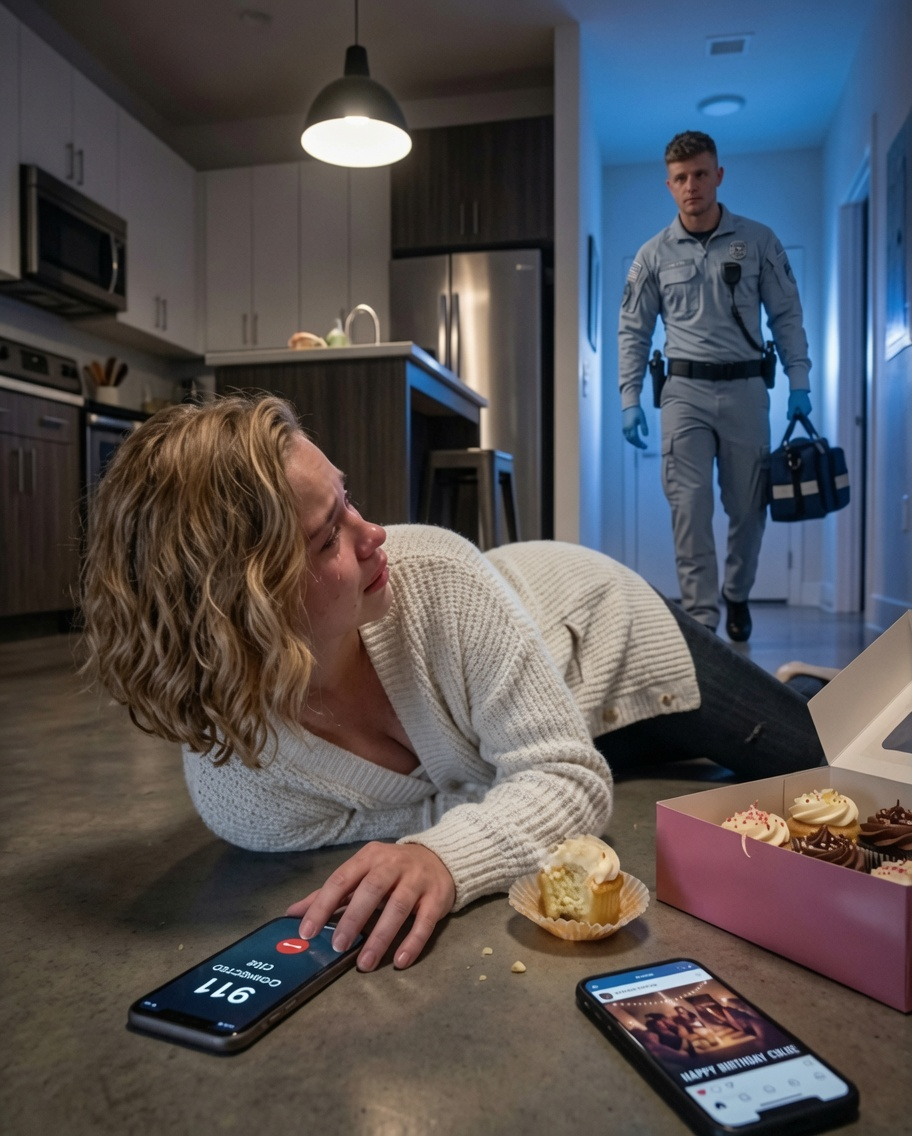
The first bite tasted normal enough. It was only after I swallowed that the burning started in my throat. Within minutes my airway began to close. I had lived with severe nut allergies my entire life, and someone had deliberately hidden ground nuts in the frosting. As I gasped for air and reached for my EpiPen, I realized this wasn’t an accident. Someone who knew exactly how dangerous this was for me had sent it anyway.
What made the situation even more terrifying was what happened next. My sister had already called emergency services before I even took the first bite. She told the dispatcher that I had a history of faking allergic reactions for attention. That single lie delayed the response time. By the time paramedics arrived, I was barely conscious. They later told me that another few minutes might have been too late.
I survived because of the quick work of the medical team and because I had learned over the years to keep extra medication nearby. But survival wasn’t enough. While I recovered in the hospital, pieces of a larger picture began falling into place. My sister had been quietly positioning herself as the more responsible family member while I was focused on our grandmother’s actual care. She had been influencing conversations about the estate and making sure certain people saw me as unstable or overly emotional.
When I was finally strong enough to speak, I didn’t confront her with accusations. Instead, I gathered what evidence existed — the cupcake wrapper with clear traces of the allergen, phone records showing her call to emergency services, and messages she had sent to other relatives painting me as difficult. I shared everything with the people who needed to see it. The reaction was a mixture of shock and quiet shame from those who had believed her version of events.
The truth didn’t bring the dramatic family reckoning I once might have wanted. Instead, it brought clarity. Some relatives distanced themselves from both of us. Others finally admitted they had noticed her pattern of manipulation but had chosen to stay out of it. My sister never offered an apology. She simply disappeared from family gatherings and stopped returning calls.
In the months that followed, I focused on healing — both physically and emotionally. The betrayal from someone who shared my DNA cut deeper than I expected. It forced me to accept that sometimes the people closest to us are capable of the greatest harm when money, resentment, and long-held grudges are involved. I also had to confront how much I had ignored over the years in the name of keeping the peace.
What surprised me most was how much lighter I felt once I stopped trying to maintain a relationship that had become dangerous. Setting firm boundaries with the remaining family members who had enabled the situation brought its own kind of peace. I no longer felt obligated to explain myself or defend my place in the family.
The cupcake incident became the clearest evidence I would ever have that my sister had crossed a line from rivalry into something far more dangerous. It wasn’t just about inheritance or attention. It was about removing me from the picture entirely. That realization was painful, but it was also freeing. I no longer had to wonder whether her coldness was in my head.
Today I live with clearer eyes about who I can trust and who I cannot. I still carry the physical reminder of that day in the form of a stricter allergy protocol and a deeper respect for how quickly life can change. But I also carry something else: the knowledge that I survived an attempt to silence me and chose to speak anyway.
Family betrayal leaves scars that don’t always show on the outside. The cupcake was only the final, most violent expression of something that had been building for years. Exposing what happened didn’t fix everything, but it did allow me to stop living in the shadow of someone else’s lies. Sometimes the darkest secrets are the ones we have to drag into the light ourselves — even when doing so means walking away from the people we once called family.
Most Popular!
-
 Eggs, Cholesterol, and Timing: What Actually Matters for Most People
-
When a Partner Leaves With More Than a Suitcase: Protecting Yourself From Financial Betrayal
-
When Financial Support Meets Contempt: Recognizing Exploitation Inside a Marriage
-
Why Some Sensory Toys and Household “Hacks” Do Not Belong in the Microwave
-
When Grief Clouds Judgment: Misreading Silence and the Quiet Ways People Show Care
-
When One Partner Does All the Hosting: Recognizing Imbalance Before Resentment Takes Over
-
How Many Holes Are in a T-Shirt? What a Simple Puzzle Reveals About How We See
-
The Quiet Stories Inside Secondhand Objects: When a Thrift-Store Find Carries Someone Else’s History