People have long been fascinated by the idea that small, unconscious habits can offer glimpses into who we are. Sleeping positions are one of those everyday behaviors that feel too automatic to mean much, yet many believe they quietly reflect deeper personality patterns. While these connections are more for fun and self-reflection than hard science, exploring them can still be surprisingly insightful. After all, the way we rest often mirrors how we move through the world when we’re awake.
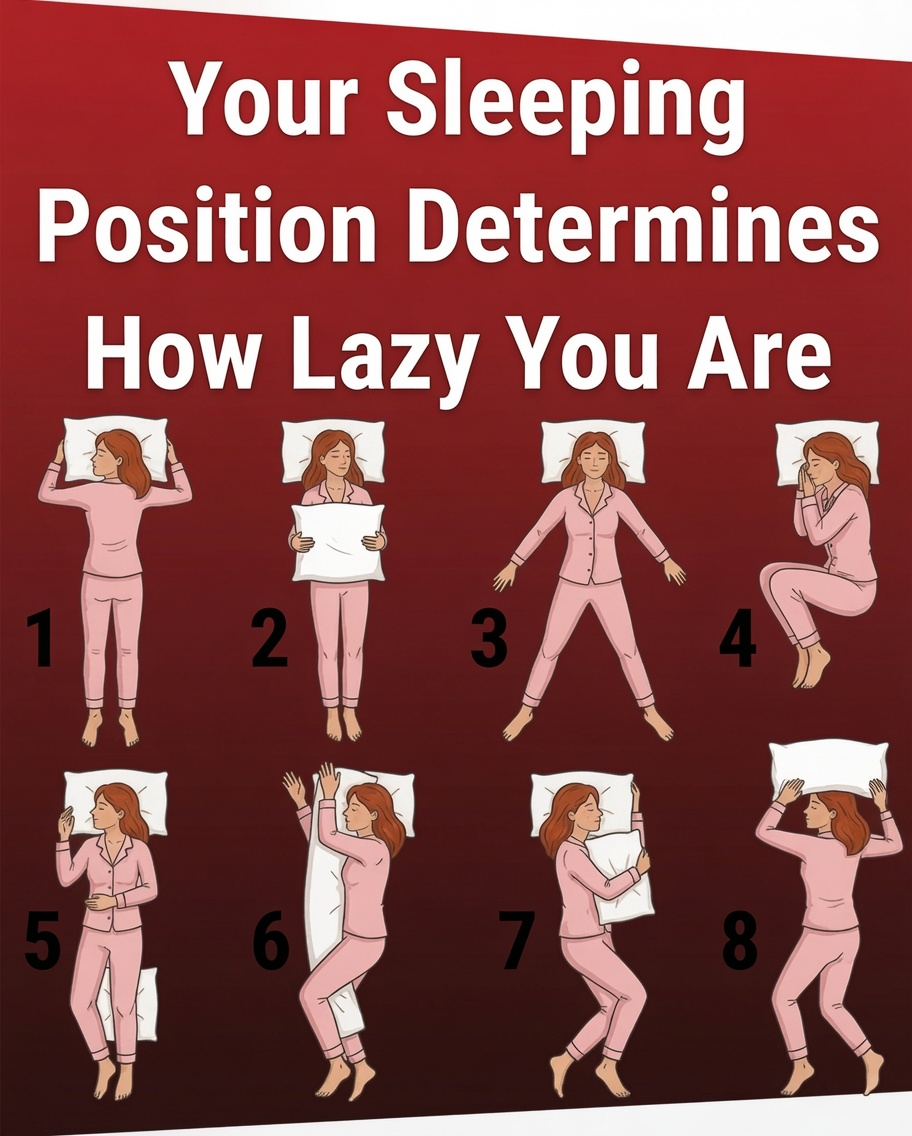
One common position is lying flat on your back with your arms resting up near your head or on the pillow. People who sleep this way are often described as open and approachable. They tend to be good listeners who make others feel comfortable sharing their thoughts. There’s also a sense of vulnerability in this posture — a willingness to let go of control and embrace whatever the day brings. It can suggest someone who values emotional honesty and doesn’t mind showing their softer side.
Then there’s the classic “soldier” position — flat on your back with arms straight down by your sides. This style is frequently linked to people who thrive on structure and routine. They tend to be reliable, composed, and prefer predictability in their daily lives. Sleeping this way can reflect a personality that values discipline and takes responsibilities seriously, even during rest. These individuals often approach challenges with steady focus rather than dramatic reactions.
Side sleeping without curling up tightly is another frequent pattern. Those who favor this position are often seen as balanced and practical. They tend to navigate life with a steady middle ground between ambition and relaxation. This posture can suggest someone who values stability but remains flexible enough to adapt when needed. It’s the sleep style of people who generally feel grounded and prefer harmony over extremes.
The fetal or curled-up position is one of the most common, especially among people who seek comfort and security. It’s often associated with sensitivity and a need for emotional protection when life feels overwhelming. People who sleep this way may recharge by creating a sense of safety, much like they do when they pull inward during stressful times. While it can indicate a more introverted or cautious nature, it also reflects a deep capacity for empathy and self-care.
Sprawling out like a starfish across the bed is less common but telling in its own way. This position is frequently connected to free-spirited, supportive personalities. People who sleep this way often enjoy making others feel welcome and comfortable. Their open posture can mirror a generous spirit and a desire to create space — both literally and emotionally — for the people around them.
Some people sleep while hugging a pillow or clutching the blanket close to their chest. This habit is often linked to a strong need for closeness and emotional connection. It can suggest someone who values relationships deeply and finds comfort in feeling grounded by something familiar. In waking life, these individuals may be the ones who naturally offer warmth and support to others while also craving the same in return.
Then there are those who shift positions multiple times throughout the night. This restless pattern is sometimes associated with adaptable, flexible personalities. People who move around often are seen as quick thinkers who can pivot when situations change. While it might point to an active mind that doesn’t fully power down at night, it can also reflect resilience and the ability to handle uncertainty without becoming overwhelmed.
Of course, these interpretations are generalizations meant for entertainment and self-awareness rather than diagnosis. Many factors influence how we sleep — stress levels, room temperature, mattress comfort, and even what we ate before bed can all play a role. Someone who usually sleeps in one position might shift during periods of high anxiety or physical discomfort. The goal isn’t to label yourself too strictly but to notice patterns with curiosity.
What matters most is the quality of your sleep rather than the exact position you favor. Good rest supports everything from mood and focus to long-term health. Creating a consistent bedtime routine, keeping your bedroom cool and dark, and limiting screens before sleep often make a bigger difference than trying to force yourself into a “better” position. Your body usually finds what feels most natural once the environment supports it.
Still, paying attention to how you sleep can be a gentle form of self-reflection. If you notice you’ve been curling up tightly during a stressful season, it might be a signal to create more emotional safety in your waking life. If you’ve been sprawling out more than usual, it could reflect a period of feeling more open and confident. These small observations can spark useful insights without requiring any dramatic changes.
In the end, the way you sleep is just one small window into your inner world. It doesn’t define you, but it can offer quiet clues about how you seek comfort, handle vulnerability, and move through life when no one is watching. Whether you sleep like a soldier, a starfish, or something in between, the most valuable takeaway is simply becoming more aware of your own patterns. After all, understanding yourself — even in the smallest ways — is one of the kindest things you can do for your well-being.
Most Popular!
-
 Eggs, Cholesterol, and Timing: What Actually Matters for Most People
-
When a Partner Leaves With More Than a Suitcase: Protecting Yourself From Financial Betrayal
-
When Financial Support Meets Contempt: Recognizing Exploitation Inside a Marriage
-
Why Some Sensory Toys and Household “Hacks” Do Not Belong in the Microwave
-
When Grief Clouds Judgment: Misreading Silence and the Quiet Ways People Show Care
-
When One Partner Does All the Hosting: Recognizing Imbalance Before Resentment Takes Over
-
How Many Holes Are in a T-Shirt? What a Simple Puzzle Reveals About How We See
-
The Quiet Stories Inside Secondhand Objects: When a Thrift-Store Find Carries Someone Else’s History