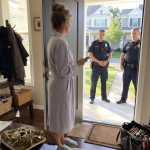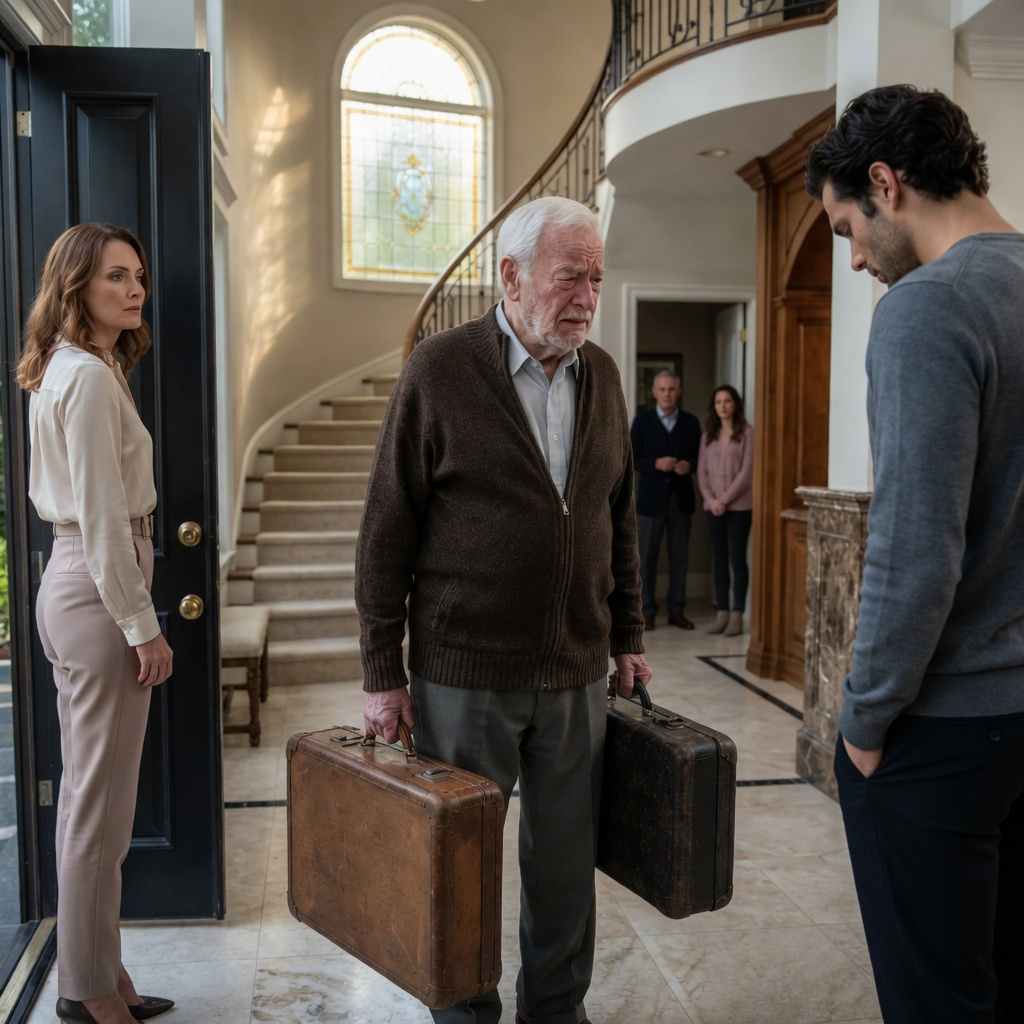
I stood on the front porch with my suitcase in one hand and my late husband’s old coat draped over my arm, watching my son’s wife slam the door behind me. “You’ve overstayed your welcome,” she had hissed, loud enough for the neighbors to hear. “This is our house now.” My son, the boy I raised alone after his father died, didn’t say a word. He just looked at the floor while his wife glared at me like I was some unwanted guest instead of the woman who had paid for the very roof over their heads. At seventy-two years old, I was being thrown out of the home I had secretly owned for thirty years.
The humiliation burned deeper than the cold wind that day. For two years I had lived with them, helping with the grandchildren, cooking meals, and quietly paying the property taxes and major repairs while they spent every dime on vacations and new cars. I never told them the house was in my name. My late husband had transferred it to me before he passed, knowing our son had a habit of making poor financial decisions. I wanted to give them a stable home. I never expected to be evicted from it.
My daughter-in-law, Courtney, had grown increasingly resentful of my presence. She complained about my “old-fashioned” ways, criticized how I folded laundry, and hated that the children preferred my bedtime stories to her screen time. The final straw came when I gently suggested they cut back on spending after I noticed late payment notices in the mail. She exploded, calling me a “nosy old woman” who didn’t know her place. My son stood silently beside her as she told me to pack my things and leave by morning.
I spent that first night in a cheap motel, staring at the ceiling and wondering how my own child could let this happen. The next morning, I did something I had hoped I would never have to do. I called my lawyer.
The meeting at the lawyer’s office three days later was something I will never forget. Courtney arrived with my son, both of them looking smug and ready to fight for “their” house. My lawyer slid the original deed across the table. Their faces went pale as they read the documents proving the house had been in my name since 1995. Courtney’s entitled attitude crumbled as the reality hit her — she had spent years living in a home she didn’t own, spending money she didn’t have, and disrespecting the one person who had made it all possible.
I didn’t yell. I didn’t gloat. I simply told them the house would be sold and the proceeds placed in a trust for my grandchildren’s education. My son and his wife would have thirty days to vacate. Courtney tried to apologize through tears, but the damage was done. My son finally found his voice, but it was too late. He had chosen his wife’s cruelty over his own mother’s dignity.
The house sold within weeks. I used part of the money to buy a small, peaceful cottage near the lake — a home that was truly mine. The rest went into trusts for my grandchildren so they could have opportunities their parents never prioritized. I still see the children regularly, but their parents are no longer welcome in my life. Some betrayals cut too deep to forgive.
That experience taught me something I wish I had understood sooner: love should never come with a price tag, but respect must be earned. I spent years trying to buy my son’s loyalty with financial security, only to learn that some people will take everything you give and still resent you for existing. Courtney thought she was kicking out a helpless old woman. Instead, she evicted herself from the comfortable life she had taken for granted.
Today I live simply and peacefully. I garden, read, and spend time with friends who truly value me. My grandchildren visit often, and I make sure they know the importance of kindness and gratitude. Sometimes I drive past the old house and feel a strange sense of freedom. It was never really my home after my husband died. It was just a building I held onto for the wrong reasons.
If you’re a parent who has been disrespected or pushed aside by your own children, know that you don’t have to accept it. Your love should never be a free pass for cruelty. Sometimes the hardest but most loving thing you can do is let them face the consequences of their choices. I learned that lesson the painful way, but it gave me back my dignity and peace.
My daughter-in-law thought she owned the roof over her head. In the end, she learned the hard way that entitlement comes with a cost. And I learned that the best homes aren’t the ones with the biggest walls — they’re the ones built on respect, honesty, and the courage to walk away when those things are missing. I may have lost a son that day, but I found myself again. And that has been the greatest gift of all.
Most Popular!
-
 Eggs, Cholesterol, and Timing: What Actually Matters for Most People
-
When a Partner Leaves With More Than a Suitcase: Protecting Yourself From Financial Betrayal
-
When Financial Support Meets Contempt: Recognizing Exploitation Inside a Marriage
-
Why Some Sensory Toys and Household “Hacks” Do Not Belong in the Microwave
-
When Grief Clouds Judgment: Misreading Silence and the Quiet Ways People Show Care
-
When One Partner Does All the Hosting: Recognizing Imbalance Before Resentment Takes Over
-
How Many Holes Are in a T-Shirt? What a Simple Puzzle Reveals About How We See
-
The Quiet Stories Inside Secondhand Objects: When a Thrift-Store Find Carries Someone Else’s History