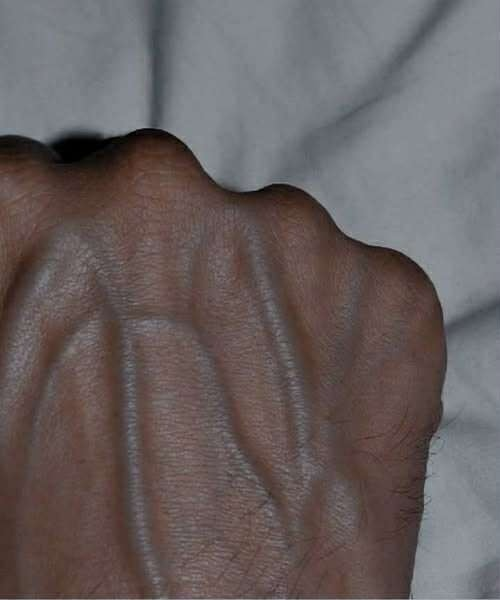
I first noticed them while applying lotion after a shower one ordinary morning. Thin blue lines snaking across the backs of my hands and calves, more prominent than they had been just a few months earlier. At thirty-eight, I told myself it was normal aging, maybe from standing too long at work or the summer heat. But as the weeks passed and the veins became even more noticeable, a quiet worry settled in. I started researching, and what I discovered changed how I view my body’s signals. Those visible veins weren’t just cosmetic — they were trying to tell me something important about my health.
Visible veins are incredibly common, especially as we get older, but they’re not something to brush off as “just how it is.” In many cases, they’re harmless, simply the result of thinner skin losing elasticity and fat padding over time. Genetics play a big role too — if your parents had prominent veins, you’re more likely to see them as well. However, when veins suddenly become more noticeable or are accompanied by other symptoms, they can point to deeper circulatory issues that deserve attention.
One of the most frequent causes of prominent veins is poor circulation. When blood doesn’t flow efficiently through your veins, pressure builds up, causing them to bulge closer to the surface. This can happen from prolonged sitting or standing, lack of exercise, or even dehydration. Your body relies on movement to help pump blood back up from your legs toward your heart. Without regular activity, veins have to work harder, and over time they become more visible as a silent cry for help.
Varicose veins and spider veins are the most obvious examples. Varicose veins are larger, twisted, and often painful, while spider veins are smaller, web-like patterns that usually appear on the legs or face. Both are signs that the valves inside your veins aren’t functioning properly. Blood pools instead of flowing smoothly, creating that ropy, bulging appearance. While many people see them as purely cosmetic, they can lead to aching, swelling, and in more serious cases, skin ulcers or blood clots if left untreated.
What many don’t realize is that suddenly visible veins can also signal hormonal changes. Pregnancy, menopause, and even certain birth control methods can cause veins to become more prominent due to increased blood volume and hormonal fluctuations. Weight changes play a role too — rapid weight loss can make veins more noticeable as the fat layer that once cushioned them disappears. In these cases, the veins are often harmless, but they’re still worth monitoring.
More concerning are situations where visible veins appear alongside other symptoms. If you notice swelling in your legs, persistent pain, skin discoloration, or veins that feel warm or tender to the touch, it’s time to see a doctor. These can be warning signs of deeper vascular problems, including chronic venous insufficiency or even blood clots. Early detection is crucial because many vein issues become much harder to treat once they progress.
The good news is that many causes of visible veins can be managed or even reversed with simple lifestyle changes. Regular exercise, especially activities that work your calf muscles like walking, swimming, or cycling, acts as a natural pump for your circulatory system. Elevating your legs when sitting for long periods helps blood flow back toward your heart. Staying hydrated and maintaining a healthy weight reduces pressure on your veins. Even small adjustments like avoiding tight clothing around your waist and legs can make a noticeable difference.
Diet also plays a surprising role. Foods rich in flavonoids — think citrus fruits, berries, dark chocolate, and leafy greens — help strengthen vein walls and improve circulation. Reducing salt intake can prevent fluid retention that puts extra pressure on your veins. Some people find relief with compression stockings, which gently support blood flow and reduce swelling.
I made several changes after noticing my own veins becoming more prominent. I started walking thirty minutes every day, switched to a more anti-inflammatory diet, and began elevating my legs while watching TV in the evenings. Within a couple of months, the visibility decreased and I felt lighter and more energetic overall. The veins didn’t disappear completely, but they stopped being a source of worry.
Visible veins are your body’s way of communicating. Sometimes they’re simply saying “I’m getting older,” but other times they’re warning you that something needs attention. Learning to read these signals instead of ignoring them can prevent bigger problems down the road. Your circulatory system works hard every single day to keep you alive and functioning. Showing it some love through movement, proper nutrition, and good habits is one of the kindest things you can do for your long-term health.
If you’ve noticed changes in your veins, don’t panic — but don’t dismiss them either. Schedule a check-up with your doctor, especially if you have risk factors like family history, prolonged sitting or standing, pregnancy, or previous blood clots. Early intervention is often simple and highly effective.
Your veins carry life through your body. When they start speaking up, it’s worth listening. The changes you make today in response to those visible lines could help you feel stronger, healthier, and more vibrant for years to come. Sometimes the most important health messages come in the quietest forms — like a few blue lines on your skin that are simply asking you to pay attention. Listen to them. Your future self will thank you for it.
Most Popular!
-
 Eggs, Cholesterol, and Timing: What Actually Matters for Most People
-
When a Partner Leaves With More Than a Suitcase: Protecting Yourself From Financial Betrayal
-
When Financial Support Meets Contempt: Recognizing Exploitation Inside a Marriage
-
Why Some Sensory Toys and Household “Hacks” Do Not Belong in the Microwave
-
When Grief Clouds Judgment: Misreading Silence and the Quiet Ways People Show Care
-
When One Partner Does All the Hosting: Recognizing Imbalance Before Resentment Takes Over
-
How Many Holes Are in a T-Shirt? What a Simple Puzzle Reveals About How We See
-
The Quiet Stories Inside Secondhand Objects: When a Thrift-Store Find Carries Someone Else’s History