I still remember the morning I woke up with several small red dots scattered across my arms and chest. At first I thought they were bug bites or an allergic reaction to a new detergent. But as the days passed and more appeared, a quiet panic set in. I found myself obsessively searching online, reading horror stories and trying to self-diagnose. It wasn’t until I finally saw a dermatologist that I understood what those innocent-looking red dots actually were — and how important it is not to ignore them.
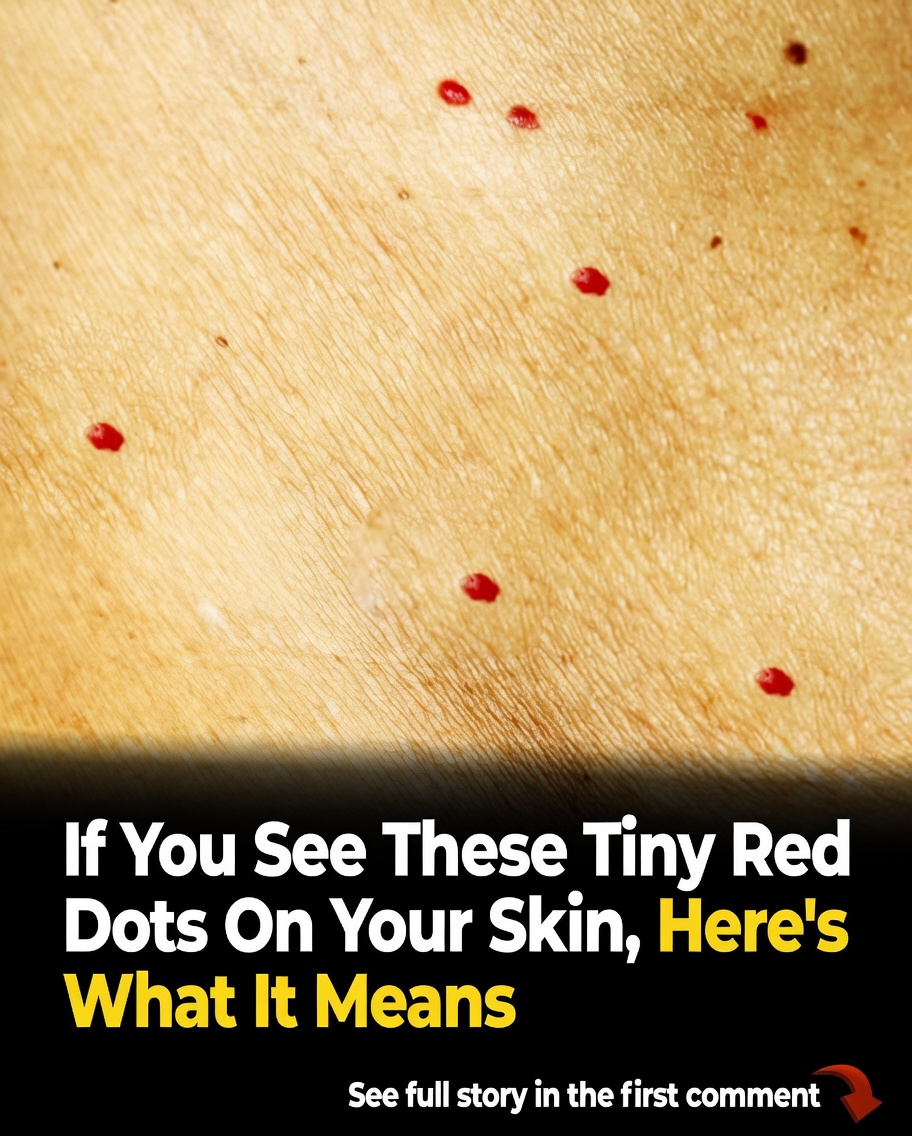
Red dots on the skin, often called petechiae or cherry angiomas depending on their appearance and cause, are surprisingly common. They can range from tiny pinprick spots to slightly raised bumps. While some are completely harmless, others can signal underlying health issues that need attention. Understanding the difference could literally save your life or at least prevent unnecessary worry.
One of the most common and benign causes is cherry angiomas. These small, bright red spots are made up of dilated blood vessels close to the surface of the skin. They tend to appear more frequently after age 30 and increase with age. Most dermatologists consider them harmless cosmetic concerns. They don’t usually itch or hurt, and they won’t turn into cancer. Many people choose to leave them alone, while others opt for simple removal procedures if they find them bothersome.
However, not all red dots are so innocent. Petechiae — tiny red or purple spots caused by bleeding under the skin — can be a warning sign of something more serious. They often appear suddenly and in clusters. These can result from low platelet counts, certain medications, infections, or even autoimmune conditions. If you notice petechiae accompanied by unexplained bruising, fatigue, or fever, it’s important to see a doctor promptly. Ignoring them could mean missing an early sign of leukemia, vasculitis, or other systemic issues.
Another possibility is heat rash or folliculitis, especially in warmer months or after intense exercise. These red dots often come with itching or a prickly sensation and tend to resolve on their own with cooler showers and loose clothing. Allergic reactions to skincare products, laundry detergents, or foods can also cause similar breakouts. In these cases, identifying and removing the trigger usually brings quick relief.
What many people don’t realize is that red dots can also appear due to nutritional deficiencies or lifestyle factors. Vitamin C deficiency (scurvy) can cause petechiae, though it’s rare in developed countries. More commonly, chronic stress, poor sleep, and diets high in processed foods can contribute to skin changes that show up as small red spots. Your skin is often the first place your body signals that something internal needs attention.
Prevention and daily care make a big difference. Keeping your skin hydrated, using gentle cleansers, and protecting yourself from extreme temperatures can reduce the likelihood of new spots appearing. A diet rich in antioxidants, vitamins, and healthy fats supports skin health from the inside out. Regular exercise improves circulation, which can help prevent some vascular-related red dots.
When should you worry enough to see a professional? Any time the spots appear suddenly in large numbers, spread rapidly, or come with other symptoms like joint pain, fever, unusual fatigue, or bleeding from the gums or nose. Also seek help if the dots are painful, oozing, or changing in size and color. A dermatologist can usually diagnose the cause with a simple visual exam, though sometimes blood work or a small biopsy is needed for certainty.
Treatment options vary widely depending on the cause. Benign cherry angiomas can be removed with laser therapy, electrocautery, or cryotherapy in a quick office visit. Petechiae caused by medications may resolve once the medication is adjusted. For more serious underlying conditions, treating the root cause is essential. The good news is that most cases of red dots on the skin are manageable once properly identified.
I eventually learned that my own red dots were cherry angiomas — completely harmless but a reminder that my body was changing with age. A few quick laser sessions cleared the ones that bothered me most, and I now pay closer attention to my skin’s signals. That experience taught me not to panic at every new spot, but also not to dismiss them entirely.
Your skin is your body’s largest organ and often its most honest communicator. Those small red dots might be nothing more than a cosmetic quirk, or they could be an early warning system worth listening to. The difference between worry and wisdom is knowing when to observe and when to seek expert help.
Take a moment today to check your skin in good lighting. Note any new changes. If something feels off, don’t wait months hoping it will disappear. A quick visit to a dermatologist can bring peace of mind or catch something important early. Your future self will thank you for paying attention now.
Red dots on the skin are common, but they’re never something to completely ignore. Whether they turn out to be harmless or a sign of something deeper, understanding them empowers you to take better care of yourself. Listen to what your skin is trying to tell you. In most cases, it’s speaking louder than you realize.
Most Popular!
-
 Eggs, Cholesterol, and Timing: What Actually Matters for Most People
-
When a Partner Leaves With More Than a Suitcase: Protecting Yourself From Financial Betrayal
-
When Financial Support Meets Contempt: Recognizing Exploitation Inside a Marriage
-
Why Some Sensory Toys and Household “Hacks” Do Not Belong in the Microwave
-
When Grief Clouds Judgment: Misreading Silence and the Quiet Ways People Show Care
-
When One Partner Does All the Hosting: Recognizing Imbalance Before Resentment Takes Over
-
How Many Holes Are in a T-Shirt? What a Simple Puzzle Reveals About How We See
-
The Quiet Stories Inside Secondhand Objects: When a Thrift-Store Find Carries Someone Else’s History