I’ll never forget the day my mother’s doctor said the word “inoperable.” Her liver tumor was in a spot too dangerous for traditional surgery, and the chemotherapy was taking a heavy toll on her body. At that moment, we felt like we were running out of options. Then her oncologist mentioned something I had never heard of before — MRI-guided cryoablation. Within months, what seemed like a hopeless situation turned into a story of hope and recovery. This innovative treatment is quietly transforming cancer care, offering new possibilities for patients who once had very few.
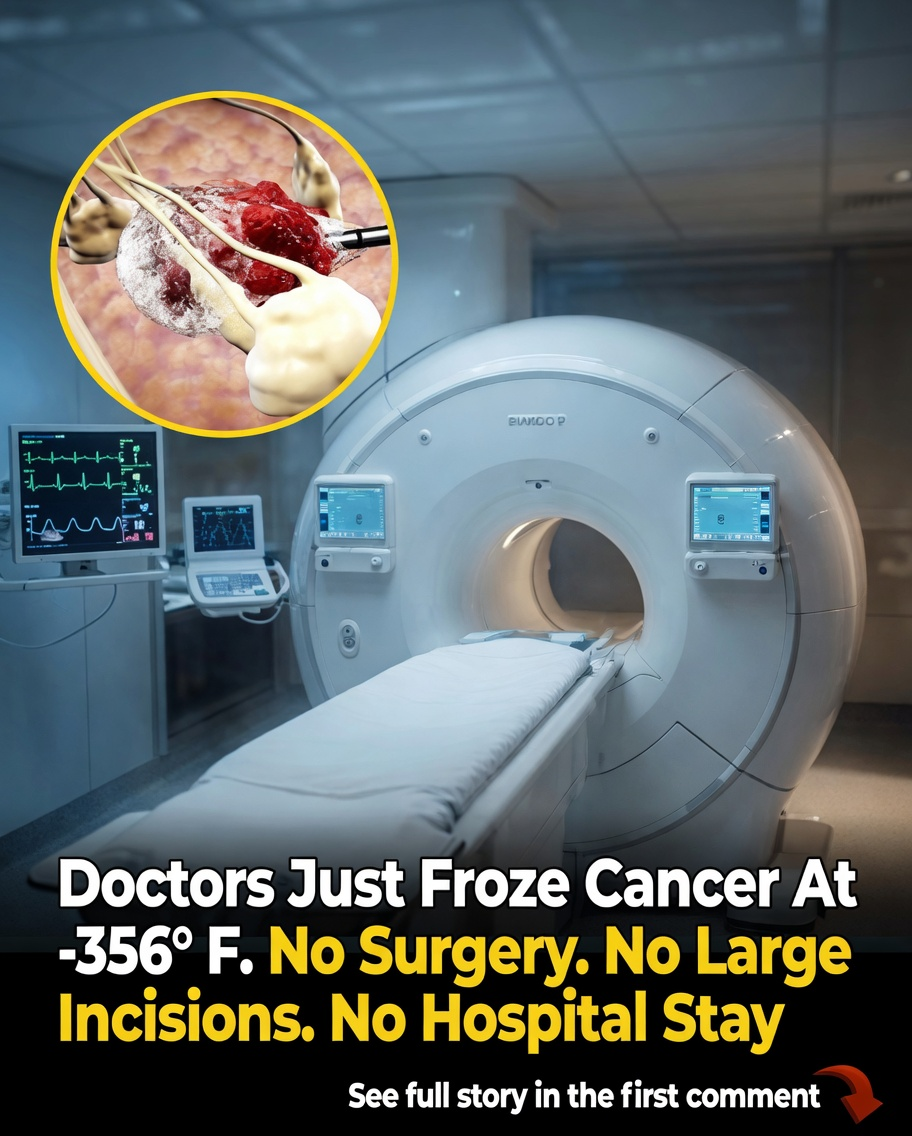
Cryoablation uses extreme cold to destroy cancerous cells with remarkable precision. A thin needle-like probe is inserted into the tumor, and argon gas is used to create an ice ball that freezes and kills the abnormal tissue while sparing as much healthy tissue as possible. When guided by real-time MRI imaging, doctors can see exactly where the ice ball forms, adjust on the spot, and monitor the entire process with incredible accuracy. This level of precision is what makes MRI-guided cryoablation stand out from older methods.
One of the biggest advantages is how minimally invasive it is. Traditional surgery often requires large incisions, long hospital stays, and significant recovery time. With cryoablation, many patients go home the same day or after just one night of observation. The reduced trauma to the body means less pain, fewer complications, and a faster return to normal life. For older patients or those with other health conditions, this can make treatment possible when surgery would have been too risky.
The procedure is particularly promising for certain types of tumors. It’s being used successfully for small kidney cancers, liver tumors, breast cancer, lung nodules, and even some bone and soft tissue cancers. Because the MRI allows doctors to see the tumor and surrounding structures clearly, they can treat tumors in delicate locations that were previously considered untreatable. Patients who once faced only palliative care now have real hope for long-term control or even cure.
What makes this treatment even more remarkable is how well it works alongside other therapies. Many doctors are now combining cryoablation with immunotherapy, targeted drugs, or radiation. The freezing process doesn’t just kill cancer cells — it also appears to stimulate the immune system by releasing tumor antigens into the body. This “vaccine effect” is currently being studied in clinical trials and could lead to even better outcomes when used strategically.
Recovery stories like my mother’s are becoming more common. She was back to gardening within two weeks of her procedure. Her energy returned. Her scans showed the tumor had shrunk dramatically. While cryoablation isn’t a magic cure for every case, it has given many patients precious time and quality of life they thought they had lost. The reduced side effects compared to traditional treatments mean people can continue working, spending time with family, and living more fully during and after treatment.
Of course, like any medical procedure, MRI-guided cryoablation isn’t perfect. Not every tumor is suitable, and long-term data is still being gathered for some cancer types. Insurance coverage can sometimes be a challenge, though that is improving as more studies show its effectiveness and cost savings. Patients need to work with experienced teams at centers that perform the procedure regularly to get the best results.
The technology continues to advance rapidly. Newer systems offer even better imaging, more precise temperature control, and the ability to treat larger or multiple tumors in a single session. Researchers are also exploring ways to combine cryoablation with other emerging treatments to boost effectiveness further. What started as a niche procedure for certain cancers is steadily becoming a mainstream option in comprehensive cancer care.
If you or someone you love is facing a cancer diagnosis, especially one where surgery isn’t recommended, it’s worth asking your doctor about MRI-guided cryoablation. Bring the conversation up early. The more options you understand, the better decisions you can make. Many major cancer centers now offer this treatment, and the field is growing quickly as success rates continue to impress the medical community.
My mother is now two years past her procedure and doing remarkably well. She still has regular scans, but the fear that once dominated our lives has been replaced with gratitude and cautious optimism. This treatment didn’t just help her body — it gave our whole family back hope when we needed it most.
Modern medicine continues to find ways to fight cancer that are smarter, gentler, and more precise. MRI-guided cryoablation is a powerful example of that progress. It reminds us that even when a diagnosis feels overwhelming, there may be options we haven’t heard about yet. The key is staying informed, asking questions, and never giving up on exploring every possible path forward.
If you’re on this journey yourself or supporting someone who is, know that science is moving faster than ever. New tools like this one are giving patients more time, better quality of life, and sometimes — the greatest gift of all — a second chance.
Most Popular!
-
 Eggs, Cholesterol, and Timing: What Actually Matters for Most People
-
When a Partner Leaves With More Than a Suitcase: Protecting Yourself From Financial Betrayal
-
When Financial Support Meets Contempt: Recognizing Exploitation Inside a Marriage
-
Why Some Sensory Toys and Household “Hacks” Do Not Belong in the Microwave
-
When Grief Clouds Judgment: Misreading Silence and the Quiet Ways People Show Care
-
When One Partner Does All the Hosting: Recognizing Imbalance Before Resentment Takes Over
-
How Many Holes Are in a T-Shirt? What a Simple Puzzle Reveals About How We See
-
The Quiet Stories Inside Secondhand Objects: When a Thrift-Store Find Carries Someone Else’s History