I still remember the exact moment my husband shut down. We had just had one of those stupid arguments about nothing important, the kind that spirals because both people are tired and stressed. I said something sharp. He looked at me, nodded once, and then… nothing. For three full days, he barely spoke. No yelling. No fighting back. Just cold, heavy silence that filled every room in our house. I felt invisible, panicked, and increasingly angry. What I didn’t understand at the time was that his silence wasn’t about punishing me. It was about protecting himself.
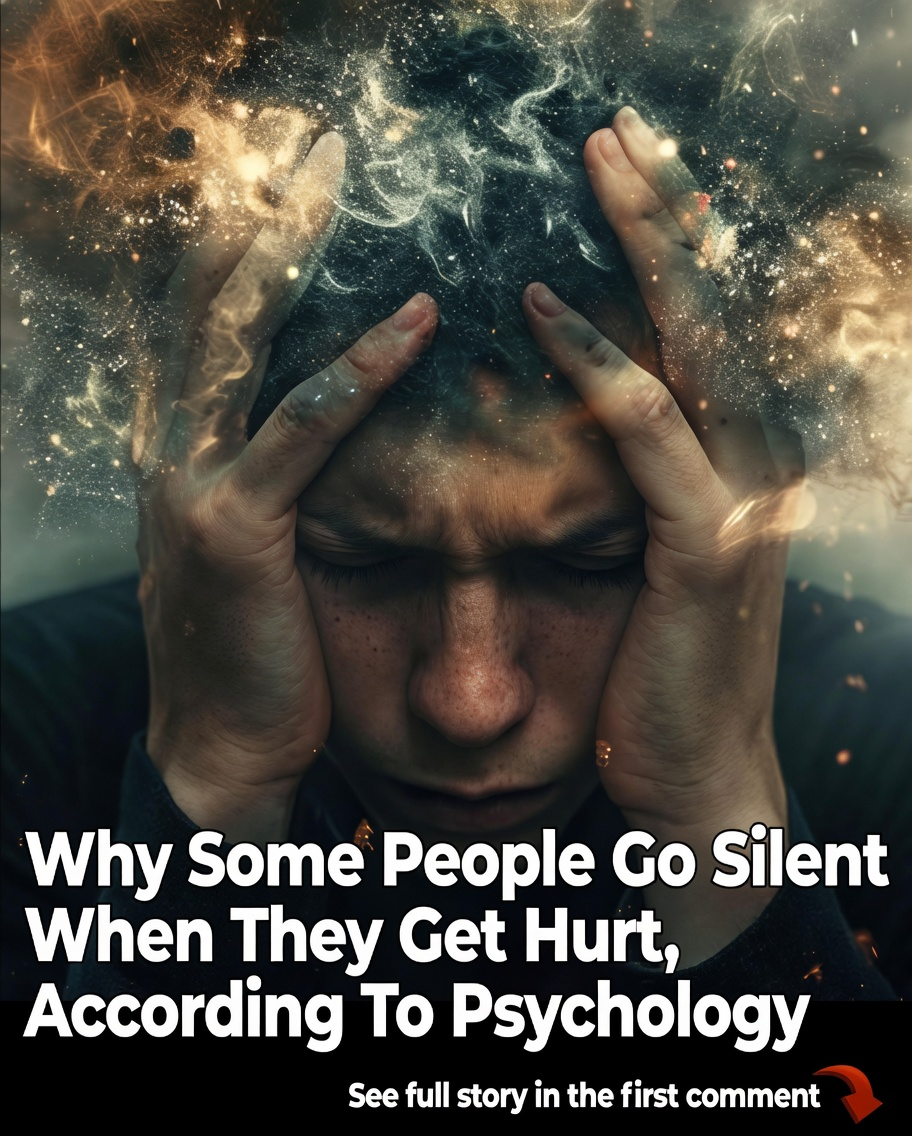
Emotional withdrawal — that sudden, painful shutting down when someone feels hurt — is one of the most common yet misunderstood reactions in relationships. It’s not always the dramatic silent treatment we see in movies. Sometimes it’s quieter, more subtle. A partner who stops sharing their day. A friend who takes days to reply to messages. A family member who changes the subject every time things get real. On the surface it looks like indifference or spite. Underneath, it’s often a desperate attempt to survive overwhelming emotions.
Psychologists call this “emotional shutdown” or “stonewalling,” and it’s one of the biggest predictors of relationship failure according to relationship researcher Dr. John Gottman. When someone feels deeply hurt, criticized, or overwhelmed, their nervous system goes into self-protection mode. The brain literally floods with stress hormones, making clear thinking and open communication almost impossible. Instead of lashing out (which feels too vulnerable), many people choose the safer route: retreat. They go silent not because they don’t care, but because they care too much and don’t know how to handle the intensity of their feelings.
This reaction often stems from childhood. If you grew up in a home where expressing emotions led to punishment, mockery, or being ignored, your brain learned that silence equals safety. As an adult, that old wiring kicks in automatically when you feel attacked or abandoned. The person withdrawing isn’t trying to manipulate you (though it can absolutely feel that way). They’re trying to stop the pain before it gets worse. Unfortunately, their silence creates a whole new kind of pain for the person on the receiving end.
I’ve seen this pattern destroy marriages, friendships, and families. One partner pulls away to feel safe. The other chases harder, demanding answers and connection. The more one person pursues, the more the other withdraws, creating a painful cycle that leaves both feeling unloved and misunderstood. What makes it even harder is that the person withdrawing often doesn’t realize how much damage their silence is causing. They think they’re just “processing” or “giving space,” while their partner feels abandoned and rejected.
The physical effects of emotional withdrawal are real too. When someone you love goes silent, your own body reacts as if you’re in danger. Stress levels spike. Sleep becomes difficult. You replay conversations in your head, searching for what you did wrong. Over time, this chronic stress can lead to anxiety, depression, and even physical health problems. Both people end up hurting, but for very different reasons.
So what should you do when someone you love suddenly goes quiet? First, understand that pushing harder usually makes it worse. The more you demand they talk, the more they feel cornered and the deeper they retreat. Instead, try sending a calm, compassionate message that gives them space while keeping the door open. Something like: “I can see you’re hurting and need some time. I’m here when you’re ready to talk. I love you.” This shows you respect their need for space without abandoning them emotionally.
For those who tend to withdraw, the work is learning how to stay present even when it hurts. This might mean saying, “I’m feeling overwhelmed and need twenty minutes to collect my thoughts before we continue this conversation.” It’s a small but powerful shift from total shutdown to responsible pausing. Therapy, particularly approaches that focus on emotional regulation and attachment styles, can be incredibly helpful for people who learned to shut down as children.
Healing this pattern takes time, patience, and a willingness to be vulnerable. The person who withdraws needs to feel safe enough to express hurt without being attacked. The person who pursues needs to feel secure enough to give space without panicking. When both partners understand what’s really happening beneath the silence, they can start responding with compassion instead of fear.
If you recognize yourself in these patterns — either as the one who goes silent or the one who feels desperate when someone does — know that you’re not broken. You’re human. These responses were learned as survival strategies, but they don’t have to define your relationships forever. With awareness and effort, it’s possible to build connections where both people feel safe enough to stay present, even when things get hard.
The next time someone you love goes quiet, remember that their silence might not be about you at all. It might be the only way they know how to protect a very wounded heart. And if you’re the one who shuts down, know that your silence, while protective, can also be deeply wounding to those who love you. Learning to stay and speak through the pain might be one of the most loving things you ever do.
Relationships aren’t destroyed by conflict. They’re destroyed by the inability to work through conflict together. The next time silence falls between you and someone you love, try choosing connection over protection. The conversation might be uncomfortable, but it’s almost always better than the slow death of emotional withdrawal.
Most Popular!
-
 Eggs, Cholesterol, and Timing: What Actually Matters for Most People
-
When a Partner Leaves With More Than a Suitcase: Protecting Yourself From Financial Betrayal
-
When Financial Support Meets Contempt: Recognizing Exploitation Inside a Marriage
-
Why Some Sensory Toys and Household “Hacks” Do Not Belong in the Microwave
-
When Grief Clouds Judgment: Misreading Silence and the Quiet Ways People Show Care
-
When One Partner Does All the Hosting: Recognizing Imbalance Before Resentment Takes Over
-
How Many Holes Are in a T-Shirt? What a Simple Puzzle Reveals About How We See
-
The Quiet Stories Inside Secondhand Objects: When a Thrift-Store Find Carries Someone Else’s History