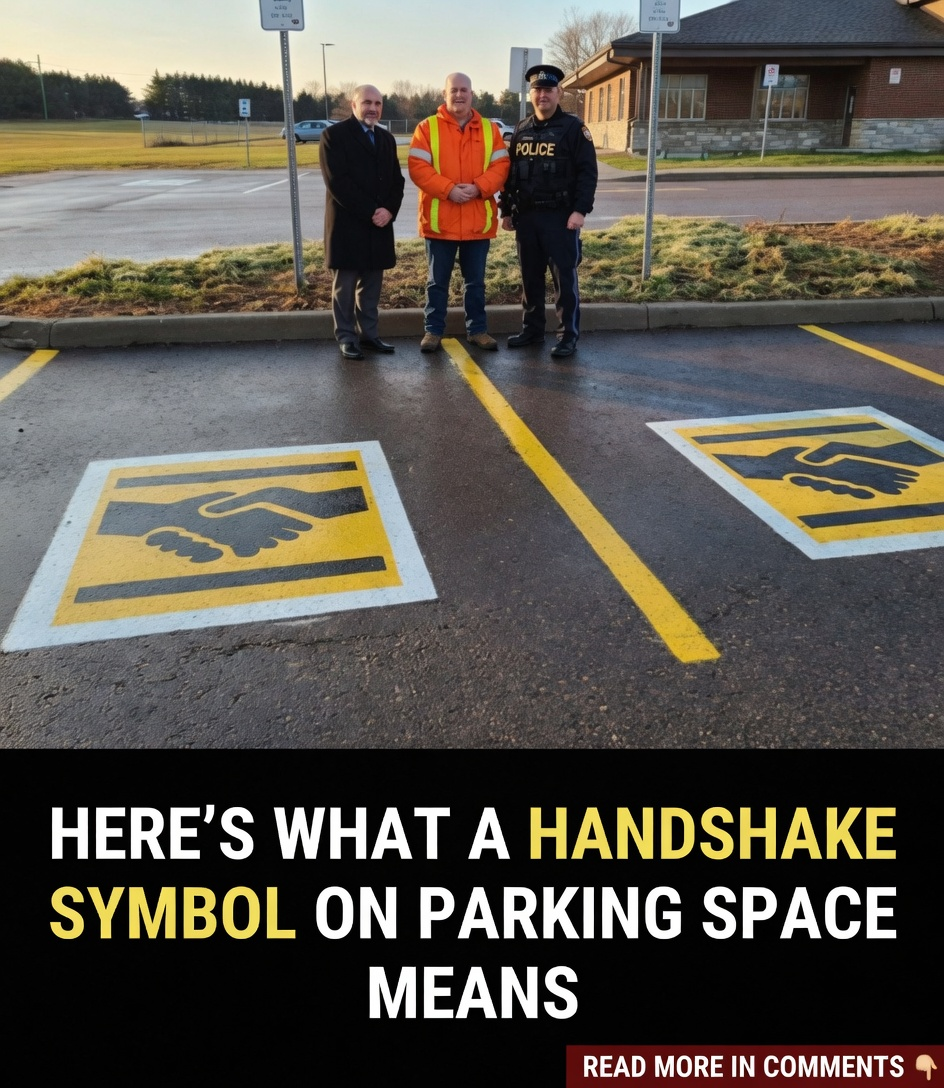
In today’s digital world, buying and selling online is incredibly convenient — until it’s time to meet in person for the handoff. That’s where the simple handshake symbol painted on certain parking spaces comes in. What looks like a friendly icon is actually part of a growing movement called Community Exchange Zones (also known as “safe exchange spots”). These designated areas are transforming how people complete Craigslist, Facebook Marketplace, and other peer-to-peer transactions by providing a secure, well-monitored location for meeting strangers. If you’ve ever felt uneasy pulling into a random parking lot to sell an old couch or buy a used laptop, understanding these zones could give you both peace of mind and practical safety.
Why Safe Exchange Spots Are Needed
Online marketplaces have exploded in popularity, but they come with real risks. Stories of robberies, scams, and dangerous encounters during in-person meets are unfortunately common. Buyers and sellers often scramble to find a “public enough” location, only to end up in dimly lit parking lots or fast-food drive-thrus with poor visibility. Community Exchange Zones solve this problem by creating official, highly visible spots specifically designed for these transactions.
The handshake symbol is the universal marker. It tells both parties: “This is a monitored, safe place to complete your deal.” Many zones are located near police stations, libraries, or busy shopping centers with 24/7 lighting and security cameras. Some even have dedicated parking spaces clearly labeled for exchanges only.
How Community Exchange Zones Work
Most zones operate on simple but effective principles:
- High Visibility — Well-lit areas with security cameras and foot traffic.
- Limited Time — Spaces are meant for quick 15–30 minute exchanges, not long-term parking.
- No Loitering — Rules keep people focused on the transaction.
- Emergency Access — Proximity to law enforcement or security staff.
Cities and counties across the U.S. and UK have started painting the handshake symbol and posting clear signage. Some apps and marketplace platforms now even integrate these locations, suggesting the nearest safe exchange spot when a deal is made.
Real Benefits Beyond Safety
These zones do more than reduce crime. They build community trust. When people feel safer meeting strangers, more local buying and selling happens — keeping money in the community instead of going to big corporations. Parents feel comfortable letting teens sell old video games. Seniors can safely downsize without fear. Small side-hustle sellers can operate with confidence.
For law enforcement, the zones actually make their jobs easier. Instead of responding to scattered incidents across random parking lots, they can monitor a few key locations. Many police departments actively support and help maintain these spaces.
How to Use Exchange Zones Properly
If your local area has handshake zones, here are some best practices:
- Always Suggest the Zone First — Propose meeting at the designated spot rather than negotiating locations.
- Meet During Daylight — Even safe zones are better in daylight when possible.
- Bring a Friend — There’s safety in numbers.
- Trust Your Gut — If something feels off when you arrive, leave immediately.
- Complete the Transaction Quickly — Test items, exchange money, and move on.
The Growing Movement
What started as a few pilot programs has become a nationwide (and international) trend. Cities are realizing that small investments in painted symbols, signage, and camera coverage can prevent bigger problems. Some neighborhoods have even created their own unofficial zones at well-lit church or community center parking lots.
The handshake symbol itself is brilliant in its simplicity. It’s friendly and non-threatening while clearly communicating purpose. It turns an ordinary parking space into a community asset that promotes trust and safety.
Final Thoughts: Small Changes, Big Impact
In an increasingly digital world, we still need safe ways to bridge the online and offline gap. Community Exchange Zones with the handshake symbol do exactly that. They show that communities can work together to solve problems creatively and compassionately.
The next time you see that simple handshake painted on the ground, know it represents more than just a parking spot. It represents neighbors looking out for each other, reducing risk, and making peer-to-peer commerce safer for everyone. Whether you’re buying, selling, or just supporting the idea, these zones deserve recognition as one of the smartest small innovations in local safety.
Have you ever used a Community Exchange Zone or seen the handshake symbol in your area? Share your experiences in the comments below — your story might encourage more cities to adopt this simple but effective solution.
Most Popular!
-
 Why Eating a Handful of Nuts Every Day Could Be One of the Best Things You Do for Your Brain
-
Most Drivers Never Touch This Tiny Rearview Mirror Tab – But Using It at Night Could Save Your Life
-
6 Simple Daily Habits That Make Older Women Look Radiantly Beautiful (No Expensive Creams Required)
-
8 Sneaky Hives Triggers Hiding in Plain Sight – And How to Finally Stop the Itch for Good
-
Why You Should Pee in the Shower: The Surprising Health, Money, and Planet-Saving Benefits Most People Ignore
-
Spencer Pratt Destroys Karen Bass on Live TV: “You Burned My House Down” – The Explosive Moment That Left Everyone Speechless
-
Popular Boy Ruined My Prom Night Over My Weight — But My Gym Trainer Exposed His Dark Secret and Ended His Entire Future
-
My Dad Claimed Mom Crashed in the Rain — But a Nurse Showed Me Hospital Security Footage That Exposed His Darkest Secret