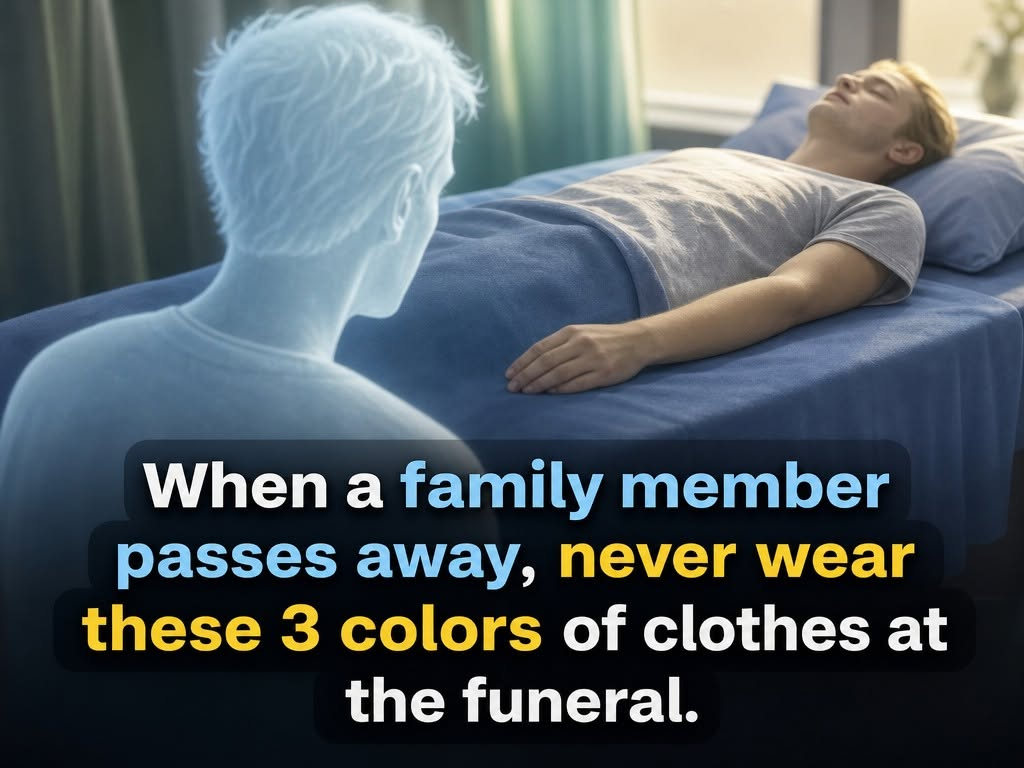
Funerals are among the most emotionally charged gatherings we attend in life. They bring together family, friends, and community members to honor someone who has passed and to support those left behind in their grief. In such moments, what we wear carries deeper meaning than mere fabric and color. It becomes a silent expression of respect, empathy, and shared sorrow. While most people understand the general expectation of dark, subdued clothing, certain colors cross an invisible line of appropriateness, potentially causing discomfort or distraction during an already difficult time. Understanding which shades to avoid — and why — helps ensure your presence supports rather than unsettles those who are mourning. This guide explores the three colors most etiquette experts and cultural traditions advise against wearing to funerals, along with thoughtful alternatives that show care without calling attention to yourself.
Black has long been the traditional color of mourning in many Western cultures, symbolizing solemnity and respect. However, not all dark clothing feels appropriate. Deep, rich reds can feel jarring and out of place at funerals. Red carries associations with passion, celebration, and vitality — emotions that stand in stark contrast to the somber atmosphere of saying goodbye. Wearing even a subtle red accent like a tie, scarf, or blouse can unintentionally draw eyes and create a sense of incongruity. Mourning families may perceive it as a lack of sensitivity, even if that wasn’t your intention. In many Eastern cultures, red is specifically avoided because it symbolizes joy, luck, and new beginnings, making it particularly unsuitable for occasions centered on loss and remembrance. Opting for navy, charcoal, or deep burgundy instead maintains a respectful tone while still allowing some personal style.
Bright or pastel yellows and oranges should also be left at home. These sunny, energetic colors evoke happiness, warmth, and optimism — feelings that can feel painfully out of place when people are processing profound sadness. A cheerful yellow dress or vibrant orange sweater might seem harmless in your closet, but in the context of a funeral service, it can appear insensitive or distract from the purpose of the gathering. Cultural perspectives reinforce this caution. In some Latin American traditions, bright colors are reserved for celebrations of life after the formal mourning period has passed. Choosing softer neutrals like beige, taupe, or muted olive green demonstrates awareness and allows you to blend supportively into the background rather than standing out.
Pure, stark white is the third color frequently discouraged at funerals, though this surprises many people. While white symbolizes purity and peace in some contexts, it is traditionally associated with celebrations, weddings, and new beginnings in Western funeral etiquette. Wearing head-to-toe white can unintentionally suggest a lack of understanding about the gravity of the occasion. In certain Asian cultures, white is actually the color of mourning, but when attending services influenced by Western traditions, it’s safer to choose softer creams, ivories, or light grays that convey respect without evoking bridal or celebratory associations. A simple white blouse paired with darker pieces can work well as long as it doesn’t dominate your overall look.
Understanding these guidelines goes beyond simply following rules. It reflects a deeper awareness of how our choices affect others during their most vulnerable moments. Funerals are not about making personal fashion statements. They are about offering comfort, showing solidarity, and honoring the life being remembered. When in doubt, leaning toward classic dark neutrals — blacks, charcoals, navies, and deep plums — ensures you communicate respect without drawing unnecessary attention. Accessories should remain minimal and understated. Simple jewelry, closed-toe shoes, and modest necklines help maintain an appropriate atmosphere focused on remembrance rather than appearance.
Cultural sensitivity adds another important layer to funeral attire choices. Different traditions observe mourning in unique ways. In some Jewish customs, black is preferred while mirrors are covered. Hindu funerals often incorporate white as a color of purity. Muslim traditions may emphasize modesty with darker, loose-fitting clothing. When attending services from backgrounds different from your own, a quick conversation with a family member or discreet research shows thoughtful respect. The goal remains the same across cultures: dress in a way that supports the grieving rather than distracts from their loss.
Practical considerations also matter when choosing funeral attire. Weather, venue, and physical comfort should influence your decisions without compromising respectfulness. A lightweight dark cardigan can provide warmth in air-conditioned chapels while remaining appropriate. Comfortable yet polished shoes prevent distraction from aching feet during long services. For those attending multiple events or traveling, versatile pieces that transition easily from ceremony to reception prove especially useful. The key is balancing appropriateness with practicality so you can focus fully on supporting those who need it most.
For younger adults and those newer to funeral etiquette, these guidelines provide a helpful framework for navigating emotionally complex situations. Social media has made fashion more casual overall, but funerals remain one of the few settings where traditional expectations still carry significant weight. Observing how others dress and erring on the side of conservatism demonstrates emotional intelligence and respect. Over time, these experiences build confidence in knowing how to show up appropriately during life’s most difficult moments.
The emotional intelligence shown through thoughtful attire choices often lingers longer than people realize. Grieving families notice who showed up with care and sensitivity. Your respectful presence, reflected in both your words and your clothing, becomes part of the support system surrounding them during their loss. Small details like avoiding bright colors communicate that you understand the weight of the day and choose to honor it fully.
Ultimately, funeral attire comes down to one guiding principle: put the needs of the grieving first. By avoiding colors that could distract or discomfort, you create space for remembrance, shared sorrow, and collective healing. The right choices allow everyone present to focus on what truly matters — honoring a life lived and supporting those left to carry the memories forward. In moments of loss, our outward expressions of respect become quiet acts of love that comfort and unite.
The next time you prepare for a funeral, take a moment to consider not just what you own, but what message your presence will convey. Choose clothing that supports rather than spotlights. Dress in a way that says you understand the significance of the day and choose to honor it with dignity and care. Your thoughtful choices will be noticed and appreciated more than you may ever know. In the end, showing up with respect and compassion matters far more than any fashion trend or personal style preference. That is the timeless etiquette that truly honors both the living and the departed.
Most Popular!
-
 10 Unusual Signs of Stroke in Women That Could Save Your Life If You Spot Them Early
-
After My Wife Was Gone, I Found a Divorce Decree From 20 Years Ago — And the Family Secret That Followed Changed Everything
-
The Day My Son’s Bride Slapped Me — And How It Set Me Free
-
Orphanage Sweethearts Finally Marry — A Long-Lost Letter and Life-Changing Inheritance Gave Them the Dream Home They Never Thought Possible
-
Little-Known Mistakes and Bloopers in The Rifleman That Fans Still Debate Today
-
Shocking New Presidential Polls Reveal Where Americans Stand on Donald Trump
-
The Natural Power of Cloves: Home Remedies for Better Health at Any Age
-
After Eleven Years of Marriage, My Husband Left Me for Someone Younger — But When Karma Struck, He Came Crawling Back