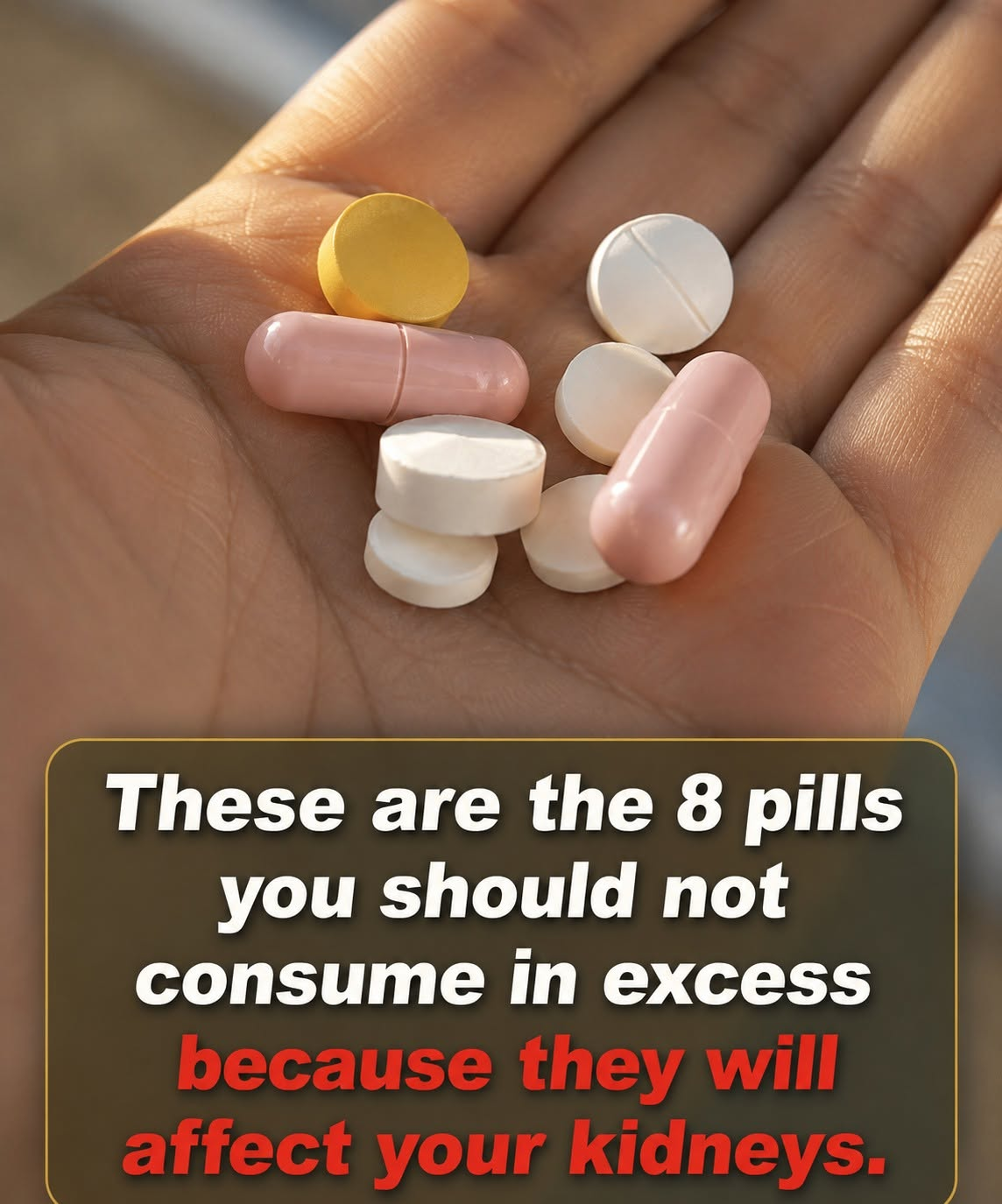
Your kidneys work silently around the clock, filtering waste, balancing fluids, and regulating blood pressure without you ever noticing — until something goes wrong. Many people take medications and supplements daily, assuming they’re safe because they’re available over the counter or prescribed by a doctor. But certain common pills can place a heavy burden on these vital organs, especially with long-term use or in people with existing risk factors like diabetes, high blood pressure, or dehydration. What makes this particularly concerning is how subtle the early damage can be. You might feel fine while your kidneys are quietly struggling, only discovering problems during routine blood work or when symptoms finally appear. Understanding which everyday medications and supplements pose risks can help you protect your kidney health before irreversible damage occurs. The good news is that with awareness and smart alternatives, you can support your body without unnecessary harm.
One of the biggest offenders is non-steroidal anti-inflammatory drugs, or NSAIDs, like ibuprofen and naproxen. Millions reach for these pills to ease headaches, muscle pain, or arthritis without a second thought. While they provide quick relief, they reduce blood flow to the kidneys by inhibiting prostaglandins that help maintain healthy circulation in these organs. Over time, especially with frequent or high-dose use, this can lead to acute kidney injury or worsen chronic kidney disease. Older adults and those already managing hypertension face higher risks. Instead of relying on NSAIDs daily, consider natural alternatives like turmeric with black pepper for its anti-inflammatory properties, gentle stretching, heat therapy, or acetaminophen when appropriate (though even this should be used cautiously). Always stay well hydrated and talk to your doctor about safer long-term pain management strategies.
Certain antibiotics, particularly those in the aminoglycoside family like gentamicin, can be toxic to kidney cells when used for extended periods. These powerful medications fight serious bacterial infections but require careful monitoring of kidney function during treatment. Even some commonly prescribed antibiotics can cause problems in people with pre-existing kidney issues or when combined with other medications. The key is working closely with your healthcare provider to choose the most kidney-friendly option when antibiotics are truly necessary and completing the full course as prescribed while staying hydrated. Probiotics and immune-supporting foods can help reduce the need for frequent antibiotic use by strengthening your body’s natural defenses.
Proton pump inhibitors (PPIs) used for acid reflux and heartburn, such as omeprazole and esomeprazole, have come under scrutiny for their potential long-term effects on kidney health. While effective for managing severe reflux, prolonged use may increase the risk of chronic kidney disease and acute interstitial nephritis. Many people take these medications for years without regular check-ups, assuming they’re completely safe. If you suffer from frequent heartburn, explore lifestyle changes first — eating smaller meals, avoiding trigger foods like caffeine and spicy dishes, elevating the head of your bed, and managing stress. Natural remedies like slippery elm, deglycyrrhizinated licorice, or apple cider vinegar (diluted) may provide relief for milder cases. Always consult your doctor before stopping PPIs, as sudden discontinuation can cause rebound symptoms.
Some diuretics, often called water pills and prescribed for high blood pressure or edema, can affect electrolyte balance and put additional strain on the kidneys if not carefully monitored. While they help remove excess fluid, they can also lead to dehydration and reduced kidney function over time, especially in older adults. Regular blood work is essential when taking these medications long-term. Supporting natural fluid balance through adequate hydration, reducing sodium intake, and incorporating potassium-rich foods like bananas and leafy greens can sometimes reduce the need for higher doses. Never adjust diuretic medication without medical supervision, as sudden changes can be dangerous.
Over-the-counter pain relievers containing phenacetin (though less common now) and certain herbal supplements have historically been linked to kidney damage. Even today, some unregulated supplements marketed for weight loss, muscle building, or “detox” can contain hidden ingredients that harm renal function. Always research supplements thoroughly and choose products from reputable brands with third-party testing. When in doubt, discuss any new supplement with your doctor or a pharmacist familiar with kidney health. Many people find that addressing root causes — such as improving sleep, managing stress, or correcting nutritional gaps — reduces the need for multiple pills and supplements altogether.
Contrast dyes used in certain imaging tests, like CT scans with contrast, can pose risks for people with compromised kidney function. These dyes help create clearer images but can cause contrast-induced nephropathy in vulnerable individuals. If you have diabetes, existing kidney issues, or are dehydrated, discuss alternative imaging options or preventive hydration protocols with your doctor before any procedure. Staying well hydrated before and after contrast tests remains one of the most effective protective measures.
Some chemotherapy drugs and certain antiviral medications used for serious infections can also affect kidney health. Patients undergoing these treatments require close monitoring, dose adjustments, and supportive care to protect renal function. For those managing chronic conditions that require ongoing medication, regular kidney function tests (GFR and creatinine levels) become essential tools for catching problems early. Open communication with your healthcare team ensures medications are working effectively while minimizing damage to these vital organs.
Lifestyle choices play an enormous role in supporting kidney health alongside any necessary medications. Staying adequately hydrated helps flush toxins and prevents concentrated urine that can irritate the kidneys. Reducing sodium intake, managing blood sugar, controlling blood pressure, and avoiding smoking all contribute to healthier renal function. Regular gentle exercise improves circulation, while stress management techniques like meditation or deep breathing prevent cortisol-related strain. Many people discover that simple daily habits create significant improvements in how they feel and how well their kidneys function over time.
The emotional side of managing health concerns deserves attention too. Discovering that common medications might affect your kidneys can feel overwhelming, especially if you rely on them for pain, digestion, or other conditions. Working with healthcare providers who listen and collaborate on solutions helps reduce anxiety while creating effective treatment plans. Support groups, both online and in-person, connect people facing similar challenges and provide practical tips that doctors might not always mention. Taking an active role in your health journey empowers you and often leads to better outcomes.
Protecting your kidneys doesn’t mean eliminating all medications. It means using them wisely, staying informed, and addressing root causes whenever possible. Regular check-ups, open conversations with your doctor, and paying attention to how your body responds create the foundation for better long-term health. Many people who once struggled with kidney concerns have improved their function significantly through informed choices and consistent self-care. Your kidneys work incredibly hard for you every single day. Giving them the support they need allows them to continue doing their vital job effectively for years to come.
Small changes can make a meaningful difference. Choosing kidney-friendly alternatives when appropriate, staying hydrated, managing underlying conditions, and scheduling regular health screenings help protect these silent workers that mean so much to your overall well-being. If you’re concerned about specific medications or noticing changes in your energy, urination patterns, or swelling, don’t hesitate to reach out to your healthcare provider. Early attention often prevents bigger problems later. Your health journey is unique, and taking informed, proactive steps puts you in the best position to enjoy a vibrant, active life for as long as possible. Listen to your body. Work with your medical team. And remember that knowledge combined with consistent care remains one of the most powerful tools for protecting your kidneys and your future.
Most Popular!
-
 10 Unusual Signs of Stroke in Women That Could Save Your Life If You Spot Them Early
-
After My Wife Was Gone, I Found a Divorce Decree From 20 Years Ago — And the Family Secret That Followed Changed Everything
-
The Day My Son’s Bride Slapped Me — And How It Set Me Free
-
Orphanage Sweethearts Finally Marry — A Long-Lost Letter and Life-Changing Inheritance Gave Them the Dream Home They Never Thought Possible
-
Little-Known Mistakes and Bloopers in The Rifleman That Fans Still Debate Today
-
Shocking New Presidential Polls Reveal Where Americans Stand on Donald Trump
-
The Natural Power of Cloves: Home Remedies for Better Health at Any Age
-
After Eleven Years of Marriage, My Husband Left Me for Someone Younger — But When Karma Struck, He Came Crawling Back