Our skin works tirelessly as the body’s first line of defense, shielding us from countless threats every single day. Yet we often treat minor injuries — a paper cut, scraped knee, or small puncture — like insignificant inconveniences. What many don’t realize is that these seemingly harmless breaks in the skin can sometimes open the door to dangerous infections that spread quickly if left unchecked. Understanding proper wound care and recognizing warning signs can make the difference between a simple healing process and a serious medical emergency.
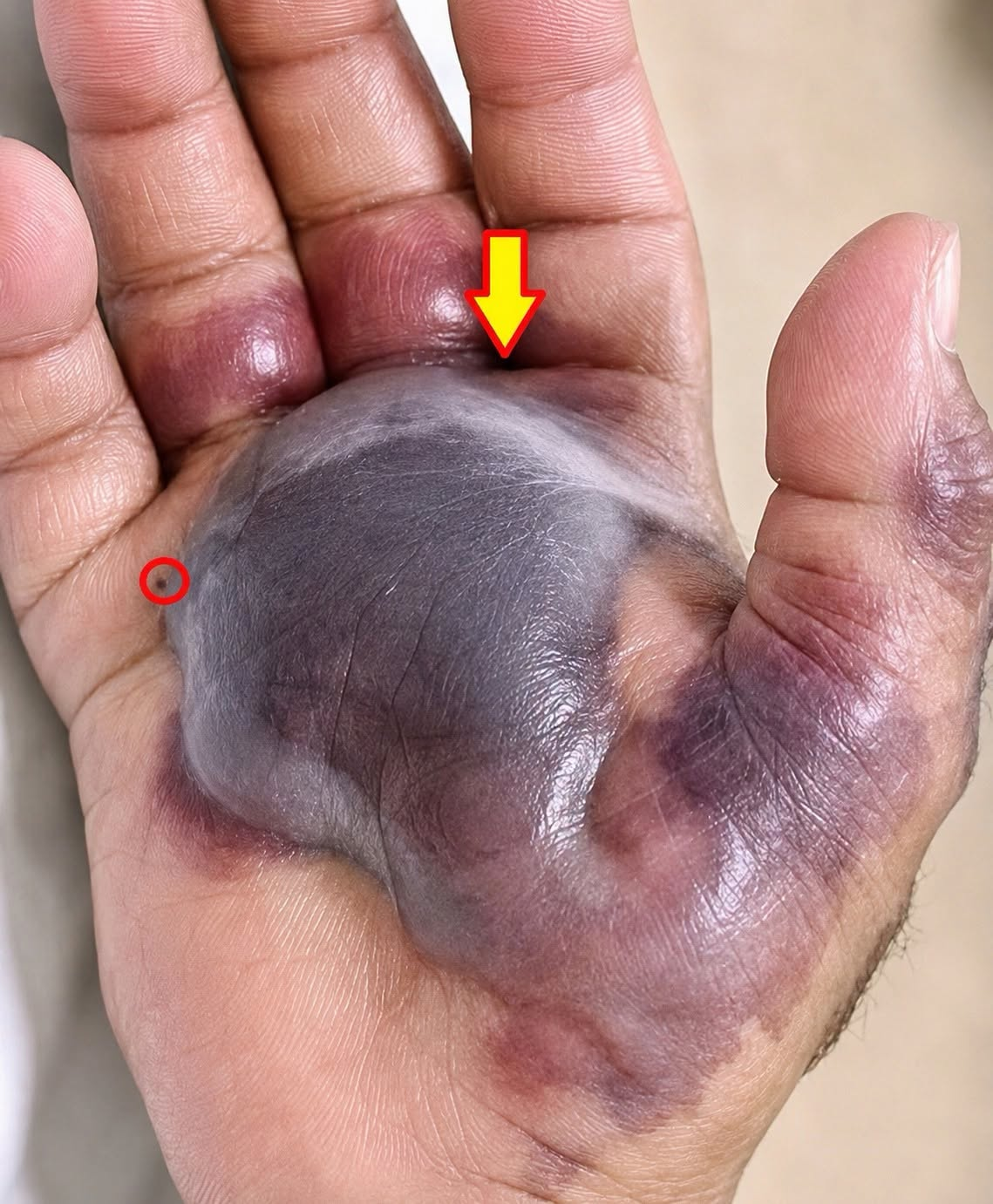
A small scratch from gardening, for example, might seem trivial at first. You clean it quickly and move on with your day. But bacteria thrive in warm, moist environments, and even microscopic openings allow them entry. Within days, what began as mild redness can develop into spreading inflammation, warmth, and pain. Conditions like cellulitis, a deeper bacterial skin infection, can escalate rapidly, potentially leading to hospitalization if the infection enters the bloodstream. Stories of people who dismissed early symptoms only to face complications highlight how important vigilance truly is.
Certain factors increase vulnerability to complications from minor wounds. People with diabetes often experience slower healing due to circulation issues, making them more prone to infections. Older adults may have thinner skin and weakened immune responses, while those on immunosuppressive medications or with chronic conditions face higher risks as well. Even healthy individuals can encounter trouble if wounds aren’t properly managed or if they ignore changing symptoms. Awareness of personal risk levels helps guide smarter daily habits.
Knowing the red flags empowers timely action. Normal healing involves mild redness that gradually fades, some discomfort that improves, and minimal swelling. Concerning signs include redness that spreads outward, red streaks extending from the site, increasing pain or throbbing, excessive warmth compared to surrounding skin, swelling that tightens the area, pus drainage with unusual color or odor, fever, chills, or fatigue. If a wound shows no improvement after a couple of days or worsens, professional medical evaluation becomes essential rather than waiting it out.
Prevention starts with simple but consistent practices. Clean minor cuts promptly with mild soap and water, apply a thin layer of antibiotic ointment if appropriate, and cover with a sterile bandage changed regularly. Avoid picking at scabs or popping any bumps, as this can introduce new bacteria. For insect bites, resist scratching to prevent breaking the skin barrier. Good hand hygiene before touching wounds and using clean tools for splinters or nail care further reduces risks. Staying up to date on tetanus shots provides additional protection against certain bacterial threats.
Lifestyle choices also influence skin resilience. Maintaining balanced nutrition supports immune function and healing, while managing underlying conditions like blood sugar levels helps minimize complications. Staying hydrated and avoiding smoking promote better circulation and tissue repair. For outdoor enthusiasts or gardeners, protective gloves and clothing during activities prone to scratches add a practical layer of defense.
When in doubt about a wound’s progress, err on the side of caution. Contact a healthcare provider to describe symptoms and get personalized guidance. They might recommend monitoring techniques, such as marking the edges of redness with a pen to track changes, or prescribe antibiotics if needed. Early intervention often resolves issues with oral medications, avoiding more intensive treatments later. Telehealth options make seeking advice more convenient than ever for non-emergency concerns.
Beyond physical care, addressing the mental side matters too. Chronic worry about health can be draining, but knowledge reduces anxiety by building confidence in handling minor issues. Sharing reliable information within families encourages collective awareness, especially for vulnerable members like children or seniors. Schools and workplaces can promote basic first aid education to normalize proactive care.
Ultimately, respecting our skin’s role as a protective barrier transforms how we respond to everyday injuries. Small actions like proper cleaning, bandaging, and monitoring create significant safeguards against potential complications. By treating even minor wounds with appropriate attention rather than casual dismissal, we honor the body’s incredible healing capacity while minimizing unnecessary risks. Your health deserves that level of care — because prevention today prevents crises tomorrow. Stay observant, act promptly when needed, and give your skin the respect it continuously provides for you.
Most Popular!
-
 Every Store Told My Daughter She Was “Too Big” for Prom – Until Her Best Friend’s Secret Left Everyone in Tears
-
The Wrong Number That Saved a Mother’s Life: How a Mistaken Text to a Billionaire Changed Everything
-
My Mother Threw My Clothes on the Porch After a Long Nursing Shift – But She Had No Idea the House Was Actually Mine
-
I Nearly Walked Out on My Newborn Daughter – Until My Wife’s Shocking Revelation Changed Everything
-
Veteran Astronaut Sounds Alarm on Artemis II: Why Safety Culture Matters for Humanity’s Return to the Moon
-
When My High School Bully’s Husband Called 20 Years Later – The Shocking Cycle of Cruelty That Finally Ended
-
ABC News Interrupts Programming for Major Trump Update: What Breaking News Culture Reveals About Our Media Landscape
-
That Tiny Loop on the Back of Your Shirt Has a Surprising History – From Practical Tool to Secret Social Signal