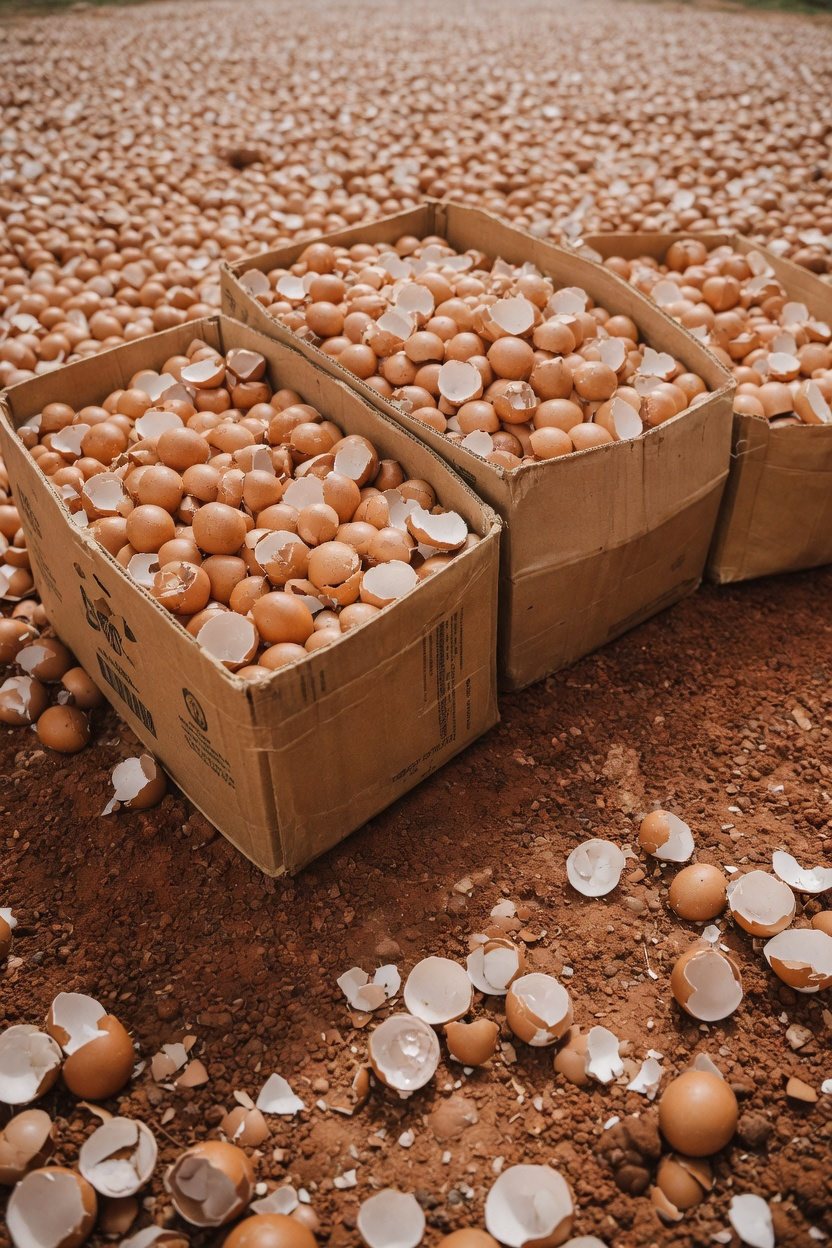
Every time you crack an egg for breakfast, you’re holding something far more valuable than just tomorrow’s omelette. That fragile shell most people rinse and toss without a second thought is actually a powerhouse of natural resources that can transform your garden, clean your home, and even support your health. Across the country, a growing number of savvy homeowners have started collecting their eggshells instead of sending them to the landfill. What seems like a tiny habit is quietly saving money, reducing waste, and delivering impressive results that rival expensive store-bought products. If you’ve been throwing eggshells away, you might want to start saving them — here’s exactly why.
The Hidden Power Inside Every Eggshell
Eggshells are made of approximately 95% calcium carbonate, the same mineral found in limestone and many commercial garden amendments. That calcium is highly bioavailable, meaning plants and soil can absorb it easily. A single eggshell contains about 750–800 milligrams of calcium, along with small amounts of magnesium, potassium, and trace minerals. When crushed and added to soil, they slowly release these nutrients, helping plants develop strong cell walls, resist disease, and produce better fruit and flowers.
Beyond calcium, eggshells have a slightly alkaline pH that can help balance acidic soils over time. They also contain a thin membrane rich in collagen and other compounds that some gardeners swear by for natural pest control and soil conditioning. The texture of crushed shells creates tiny air pockets in the soil, improving drainage and aeration — especially valuable in heavy clay soils.
Why Eggshells Are a Gardener’s Best-Kept Secret
Smart gardeners have known for generations that eggshells are free fertilizer, but modern research backs up the traditional wisdom. Studies show that adding eggshell powder to soil can increase calcium levels, reduce blossom end rot in tomatoes and peppers, and strengthen root systems. The sharp edges of crushed shells also act as a natural deterrent against soft-bodied pests like slugs and snails, who dislike crawling over the jagged texture.
Many organic gardeners use eggshells as a gentle alternative to lime for raising soil pH. Unlike commercial lime, which can sometimes shock plants if over-applied, eggshells release nutrients slowly and safely. They’re particularly effective in vegetable gardens, rose beds, and around fruit trees that crave calcium.
Practical Ways to Use Eggshells Around Your Home
The beauty of eggshells is their versatility. Here are the most effective ways homeowners are putting them to work:
Garden Fertilizer and Soil Amendment Rinse shells, let them dry completely, then crush them into small pieces or powder using a mortar and pestle or food processor. Sprinkle the powder directly around the base of plants or mix it into compost. For faster results, soak crushed shells in water for a few days to create “eggshell tea” — a gentle liquid fertilizer your plants will love.
Natural Pest Control Scatter larger crushed pieces around vulnerable plants. The sharp edges discourage slugs, snails, and even some cutworms without harming beneficial insects. Many gardeners create a protective ring around seedlings for extra defense during the vulnerable early growth stage.
Seed Starting Boost Place a few crushed shells at the bottom of seed-starting pots before adding soil. The calcium helps prevent damping-off disease and gives young plants an early nutritional head start.
Household Cleaning and Deodorizing Crushed eggshells make an excellent mild abrasive for cleaning pots, pans, and even delicate jewelry. They also absorb odors when placed in the refrigerator or compost bin. Some people use them as a natural drain cleaner by flushing crushed shells down the sink with hot water.
Pet and Wildlife Benefits Birds need calcium for strong eggshells, especially during nesting season. Rinse and crush shells, then scatter them in a shallow dish or mix them into birdseed. Many backyard birders report healthier nesting success after adding this free supplement.
How to Prepare and Store Eggshells for Maximum Benefit
Start collecting shells today. Rinse them thoroughly to remove any egg residue, then let them air dry on a baking sheet. Once completely dry, crush them to your preferred size. Store in a sealed jar or container in a cool, dry place. The finer the powder, the faster the calcium becomes available to plants. For pest control, keep pieces larger and sharper.
A single household can easily collect several pounds of shells per year. That’s free calcium and natural pest control that would otherwise cost money at the garden center.
Real Results Homeowners Are Seeing
Gardeners who have adopted this habit report stronger, more productive plants. Tomato growers notice fewer cases of blossom end rot. Rose enthusiasts see healthier foliage and more blooms. Even houseplant owners report better growth when adding a pinch of eggshell powder to potting mix. The environmental benefit is just as impressive — keeping shells out of landfills reduces methane emissions and wasted resources.
One family in Michigan collected shells for an entire year and used them to transform a struggling vegetable garden into their most productive season ever. Another homeowner in Florida used crushed shells to successfully deter slugs that had previously destroyed her hostas. The stories are as varied as the gardens themselves, but the common thread is simple: a free resource that most people throw away is quietly working wonders for those who save it.
Common Questions and Cautions
Are eggshells safe for all plants? Yes, but use in moderation. Acid-loving plants like blueberries prefer less calcium, while most vegetables, flowers, and fruit trees benefit greatly.
Do I need to sterilize them? Rinsing and drying is usually sufficient. If you’re concerned about bacteria, bake the shells at 250°F for 10 minutes.
Can I use flavored or colored eggs? Plain white or brown eggshells work best. Avoid heavily dyed Easter eggs or flavored varieties that may contain additives.
The Bigger Picture: Small Habits, Big Impact
Saving eggshells is more than a gardening hack. It’s a small but meaningful step toward reducing waste, saving money, and working with nature instead of against it. In a world full of expensive garden products and chemical solutions, this free resource reminds us that the best things in life are often already in our kitchens.
Start saving your shells today. Rinse them, dry them, crush them, and watch your garden thank you with stronger plants, fewer pests, and more abundant harvests. Your future self — and your plants — will be grateful you stopped throwing away one of nature’s most perfect recycling gifts.
The next time you crack an egg, remember: that shell isn’t trash. It’s tomorrow’s stronger tomatoes, healthier roses, and happier soil. Smart homeowners don’t throw it away. They turn it into garden gold.
Have you started saving eggshells yet? What’s your favorite way to use them in the garden or around the house? Share your tips and results in the comments below — you might inspire someone else to turn their kitchen waste into garden treasure.
Most Popular!
-
 The Heartbreaking Hollywood Remembrances as the Iconic Fifties Child Star Known to Millions Globally Passes Away at Eighty After a Brave Health Battle
-
The Miraculous Medical Miracle That Shocked an Entire Hospital After a Grieving Son Pressed Play on a Hidden Voice Recorder
-
The Shocking Truth Behind the Hidden Bleach Stains Discovered Inside Your Underwear That Medical Professionals Secretly Know Is a Major Sign of a Healthy Body
-
The Shocking Fuel Station Showdown That Left a Wealthy Sports Car Owner Humiliated After Uncovering a Grief-Stricken Father’s Hidden Cargo
-
The Shocking Fuel Station Showdown That Left a Wealthy Sports Car Owner Humiliated After Uncovering a Grief-Stricken Father’s Hidden Cargo
-
The Mind-Blowing Schoolhouse Discovery That Proved a Cancer-Stricken Mother’s Long-Deceased Husband Was Actually Alive
-
How Jennifer Aniston Fooled Everyone and Became the Ultimate Hollywood Billion-Dollar Empire
-
The Cryptic Inverted Bumper Sticker Phenomenon Taking Over the Pacific Northwest That Secretly Signals a Deep Hidden Meaning Among Washington State Locals